Tehran, Beijing eye strengthening multilateralism, peace
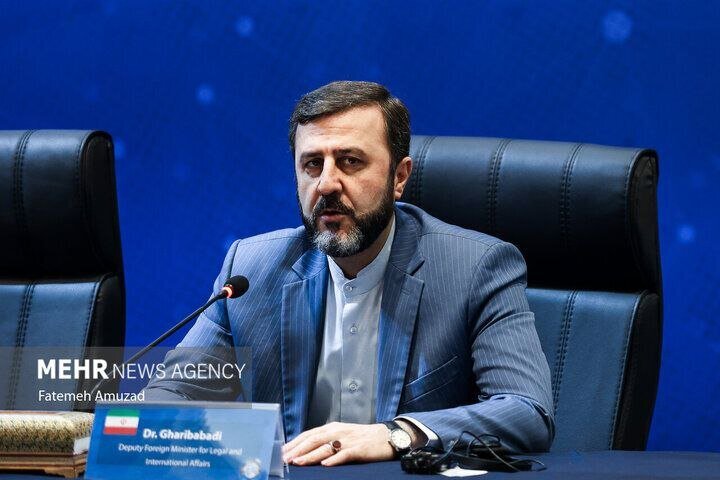
Iranian Foreign Minister Seyyed Abbas Araghchi highlighted Iran and China's potential to strengthen multilateralism and contribute to a fairer international order, marking a dynamic new phase in their 55-year strategic partnership.
Intelligence analysis by Gemini 2.5 Flash

The article, based on Araghchi's published piece, emphasizes the deepening strategic bond between Tehran and Beijing, particularly amid Western sanctions against Iran. It portrays their cooperation as crucial for regional peace and security, navigating historical challenges through shared visions and mutual trust.
Imagine two big countries, Iran and China, are really good friends, especially when things get tough. Iran's top diplomat says they want to work together to make the world a fairer and more peaceful place, where no one country can boss everyone around. They've been friends for 55 years and are now planning even bigger things together, like helping each other and making sure everyone follows the rules, especially when some countries act like bullies.
Analysis
The article, drawing from Iranian Foreign Minister Seyyed Abbas Araghchi's insights, illuminates the evolving strategic partnership between Iran and China, positioning it as a cornerstone for a more balanced international system. This relationship is framed not merely as a bilateral alliance but as a significant force capable of reshaping global dynamics, particularly in response to perceived Western unilateralism and sanctions.
55th Anniversary
This year marks the 55th anniversary of diplomatic relations between Iran and China, a milestone that Araghchi describes as having successfully navigated difficult periods. The relationship has now entered a "new, dynamic and consequential phase" under a comprehensive strategic partnership framework. This long-standing bond is presented as a testament to the leaders' determination to overcome regional and international challenges, building a future founded on mutual respect and trust.
The historical resilience of this partnership, enduring various global shifts and pressures, is a key theme. It suggests a deep-rooted commitment that transcends immediate political or economic fluctuations, aiming for long-term strategic alignment. The emphasis on a "new chapter of prosperity" indicates an ambition to expand cooperation beyond traditional areas, potentially encompassing broader geopolitical coordination.
Seyyed Abbas Araghchi
Iranian Foreign Minister Seyyed Abbas Araghchi is the central figure articulating this vision, emphasizing the high potential for Iran and China to contribute to a fairer international order. His article, titled "A New Vision on the Horizon of Iran-China Strategic Partnership," underscores the shared determination of both nations to promote multilateralism, peace, and stability globally. Araghchi characterizes the two countries as "friends in difficult times," highlighting their constructive cooperation in regional peace and security.
Araghchi's perspective suggests that the partnership is driven by commonalities and a mutual respect for differences, ultimately serving their shared interests and broader human aspirations. He explicitly links the deepening ties to the context of "maximum pressure and Western sanctions against Iran," positioning China as Iran's "first economic partner" and a crucial ally in navigating these challenges. This framing reinforces Iran's strategy of diversifying its international alliances.
UN Security Council
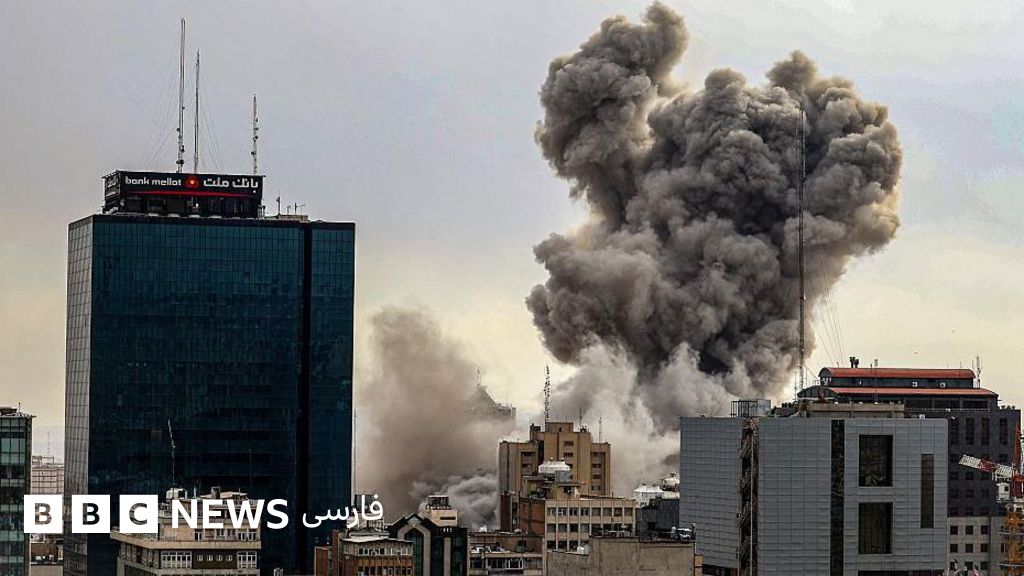
China's role as a permanent member of the UN Security Council is highlighted by Araghchi as a critical factor in its international influence. He commends China for playing a "constructive, balanced and responsible role in international developments." This acknowledgment is particularly significant in the context of Iran's grievances regarding "illegal and inhumane US and Israeli aggression," which Araghchi claims have violated international law and the UN Charter.
Araghchi notes that the international community has failed to take effective measures to prevent these alleged attacks or hold those responsible accountable. He points out that "Chinese friends have rightly warned on various occasions about the danger of a return to the law of the jungle." This implicitly positions China as a defender of international law and a counterweight to what Iran perceives as unilateral actions by the US and Israel, reinforcing the narrative of a shared commitment to a rule-based international system.
Key points
- Iranian Foreign Minister Seyyed Abbas Araghchi emphasized Iran and China's potential to foster a fairer international order and strengthen multilateralism.
- The 55th anniversary of diplomatic relations marks a new, dynamic phase in their comprehensive strategic partnership.
- The partnership is seen as crucial for promoting regional peace and security, especially amid Western sanctions against Iran.
- Araghchi described China as Iran's "first economic partner" and praised its constructive role as a UN Security Council permanent member.
- Both nations aim to translate their shared determination into practical initiatives to safeguard international peace and security against perceived aggression.
The strengthened strategic partnership between Iran and China could lead to a more balanced international order, potentially reducing the impact of Western sanctions on Iran and fostering greater regional stability through multilateral cooperation. This alliance might also provide a stronger voice for developing nations on the global stage, promoting a more equitable distribution of power.
This deepening alliance could further exacerbate tensions with Western powers, potentially leading to increased diplomatic isolation for Iran from the West and a more polarized international environment. The practical impact on Iran's economic challenges, particularly under sanctions, might also be limited if the partnership primarily remains at a diplomatic level without significant economic breakthroughs.