Tehran seeks roadmap to lift Iran-Iraq tourist exchanges to 5m
Iran's tourism minister, Seyyed Reza Salehi-Amiri, has called for a roadmap to increase tourist exchanges with Iraq to five million visitors in each direction within a year. Currently, around 3.6 million Iraqi tourists travel to Iran, while 3.5 million Iranians travel to …
Intelligence analysis by Llama
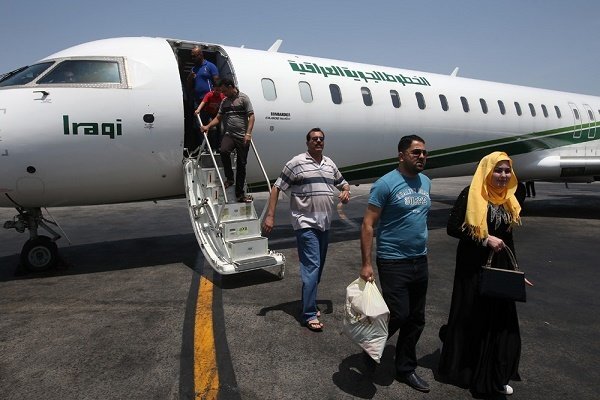
Iran's tourism minister has proposed a roadmap to increase tourist exchanges with Iraq to five million visitors in each direction within a year. The plan aims to expand tourism ties beyond religious travel to include medical tourism, leisure, shopping, cultural, and academic travel.
Iran and Iraq want to increase the number of tourists visiting each other's countries. They want to make it easier for people to travel between the two countries and to visit different places, like cities and historical sites. They also want to make medical tourism, where people go to another country for medical treatment, easier and more accessible.
Analysis
Roadmap to Five Million Visitors
Iran's tourism minister, Seyyed Reza Salehi-Amiri, has called for a roadmap to increase tourist exchanges with Iraq to five million visitors in each direction within a year. This ambitious goal aims to expand tourism ties beyond religious travel to include medical tourism, leisure, shopping, cultural, and academic travel. The current statistics show that around 3.6 million Iraqi tourists travel to Iran, while 3.5 million Iranians travel to Iraq. However, the minister emphasizes that the annual Arbaeen pilgrimage is fundamentally different from conventional tourism, as it is a largely popular, spontaneous, and religious movement that does not necessarily involve standard tourism components such as accommodation and paid services.
Transport and Medical Tourism
Facilitating road and private-car travel should be a priority, according to the minister. Easier border procedures for families and motorists could unlock significant untapped demand. Additionally, an assessment of airline capacity between the two countries, alongside the development of ground transport, shuttle services from Iraqi cities to Iranian tourist destinations, and smoother border crossings, are essential for the success of this initiative. Medical tourism was identified as another key area for cooperation. The sector has faced challenges due to the absence of an integrated system linking patients and travelers from their point of departure to their destination. Iran has worked over the past two years to improve coordination among relevant agencies and is moving toward launching a comprehensive medical tourism system.
Call for Joint Tourism Mechanism
The minister proposed establishing a permanent mechanism for tourism cooperation between the two neighboring countries. This would involve developing a common document outlining tourism capacities, challenges, obstacles, and possible solutions. A joint supreme tourism council, a specialized working group, and a joint office would be established to hold regular meetings, follow up on decisions, and assess progress. Joint tourism and handicrafts exhibitions would also be organized to drive economic development in border regions and strengthen social and cultural ties between the two peoples.
Key points
- Iran's tourism minister has proposed a roadmap to increase tourist exchanges with Iraq to five million visitors in each direction within a year.
- The plan aims to expand tourism ties beyond religious travel to include medical tourism, leisure, shopping, cultural, and academic travel.
- Facilitating road and private-car travel should be a priority, according to the minister.
- An assessment of airline capacity between the two countries, alongside the development of ground transport, shuttle services from Iraqi cities to Iranian tourist destinations, and smoother border crossings, are essential for the success of this initiative.
- Medical tourism was identified as another key area for cooperation.
If the proposed roadmap is successful, it could lead to increased economic development and cultural exchange between Iran and Iraq. The two countries could benefit from the growth of the tourism industry, and the people of both countries could learn more about each other's cultures and ways of life.
However, there are also challenges that need to be addressed, such as the need for improved border procedures, increased airline capacity, and the development of ground transport. Additionally, the sector has faced challenges due to the absence of an integrated system linking patients and travelers from their point of departure to their destination.