Tehran targets US Gulf bases after American forces launch new strikes on Iran
Iran hit US bases in Bahrain and Kuwait after new American strikes on Iran, raising tensions across the Gulf.
Intelligence analysis by GPT-5.4 Mini
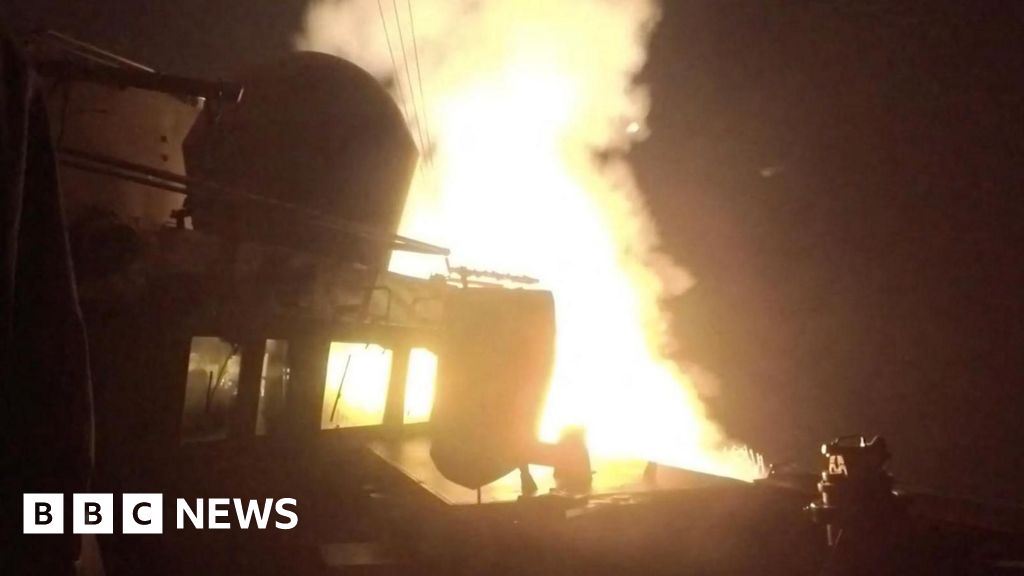
The US and Iran traded fresh attacks after Donald Trump said the US would hit Iran hard if no deal was reached. The fighting has widened concerns over Gulf security, shipping through the Strait of Hormuz, and oil prices.
The US and Iran are throwing punches again, and the fight is spreading near a very important boat route for oil. It is like two neighbors arguing in a narrow hallway where everyone else needs to walk through.
Analysis
What happened
The BBC says Iran launched retaliatory attacks on US bases in Bahrain and Kuwait after the US carried out another round of strikes on Iran. US Central Command said it had completed a second straight day of “self-defense strikes,” following warnings from Donald Trump that the US would hit Iran hard if a deal was not reached.
Why the situation is worsening
The exchange is part of a wider pattern of tit-for-tat attacks that has already strained a ceasefire agreed in April. The article says that after earlier exchanges, the latest US strikes again hit targets near the Strait of Hormuz, including air defence and radar sites. Iranian state media also reported claims that the Revolutionary Guards struck two oil tankers in the strait, though the piece says there was no immediate confirmation.
Energy and shipping risks
The Strait of Hormuz matters because it is a key route for global oil shipments. The report says Iranian media claimed the strait was “completely closed,” while Centcom said commercial vessels were still moving in and out. Brent crude rose above $95 a barrel after the shipping threat and tanker reports surfaced, showing how quickly the conflict can spill into markets.
Diplomatic outlook
Trump said Iran had taken too long to negotiate, while Iran’s president said the country would resist pressure or threats. Iran’s foreign ministry accused Washington of harming diplomacy with mixed messages. The article also quotes UN chief António Guterres warning that the Middle East is being pulled deeper into crisis and urging a diplomatic settlement. The core picture is one of expanding military pressure and shrinking room for talks.
Key points
- Iran struck US bases in Bahrain and Kuwait after new American strikes on Iranian targets.
- US Central Command said it carried out another day of self-defense strikes.
- The confrontation is testing an April ceasefire that has already seen repeated flare-ups.
- Reports of tanker attacks and a possible Strait of Hormuz closure lifted oil prices.
- UN chief António Guterres warned that the region is being pulled deeper into crisis.
If the warnings force both sides back toward talks, the attacks could stop before the conflict spreads further. A real diplomatic settlement would also reduce danger to shipping in the Strait of Hormuz and calm oil markets.
If the strikes keep going, the ceasefire could break down completely and pull more countries and bases into the conflict. Any lasting threat to the Strait of Hormuz could disrupt shipping and push energy prices higher.