Tehran, Tashkent discuss direct flights and visa facilitation
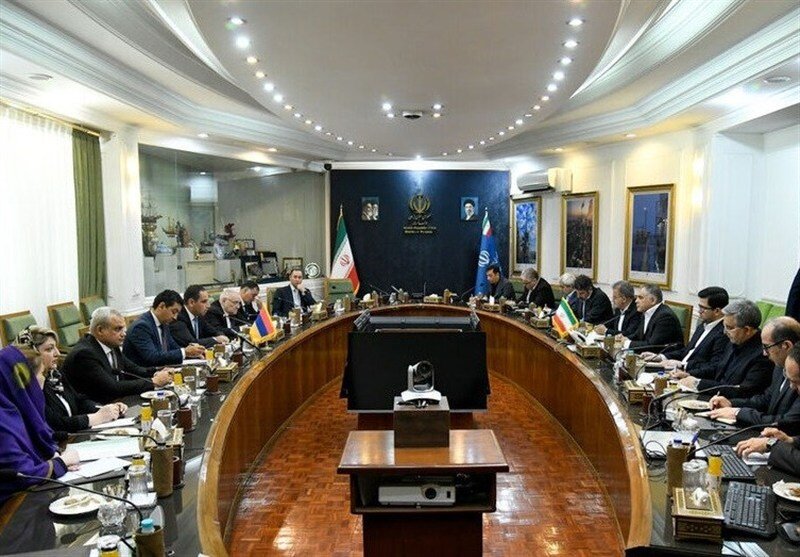
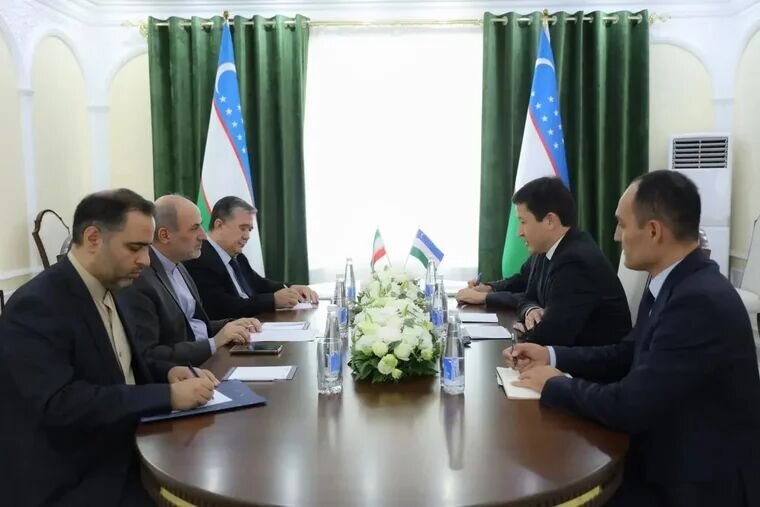
Iranian Ambassador Mohammad Ali Eskandari met with Uzbekistan's Tourism Committee chairman Abdulaziz Akkulov to discuss expanding tourism cooperation, direct flights, and visa facilitation for Iranian citizens.
Intelligence analysis by Llama
Iran and Uzbekistan are strengthening bilateral relations by expanding tourism, trade, and economic cooperation, including direct flights and visa facilitation.
Iran and Uzbekistan are working together to make it easier for people to travel between the two countries and to promote tourism. They want to increase direct flights and make it simpler for people to get visas, which will help to grow the economy and create new jobs.
Analysis
A New Era of Cooperation
The recent talks between Iranian Ambassador Mohammad Ali Eskandari and Uzbekistan's Tourism Committee chairman Abdulaziz Akkulov mark a significant step towards strengthening bilateral relations between the two countries. The discussions focused on expanding tourism cooperation, increasing direct flights, and facilitating visas for Iranian citizens. This development is part of broader efforts by Tehran and Tashkent to deepen economic cooperation and expand trade, transport connectivity, and investment links.
A Growing Economic Partnership
Iran and Uzbekistan have been working to strengthen regional transit corridors and broaden cooperation in logistics and other sectors to support cross-border trade. The two countries have also sought to deepen economic cooperation by expanding trade, transport connectivity, and investment links. This growing economic partnership is significant for regional stability and growth, particularly in the context of ongoing tensions in the Middle East.
A Bright Future for Tourism
The discussions between Eskandari and Akkulov also focused on promoting tourism opportunities in Iran and Uzbekistan, and developing cooperation in medical tourism. The officials agreed to make greater use of the two countries' historical and cultural heritage to promote Uzbekistan's tourism market in Iran and steadily increase reciprocal tourism exchanges. This development is significant for the growth of tourism in both countries and has the potential to create new economic opportunities and jobs.
Key points
- Iran and Uzbekistan are strengthening bilateral relations by expanding tourism, trade, and economic cooperation.
- The two countries are working to increase direct flights and facilitate visas for Iranian citizens.
- The development of tourism and economic cooperation between Iran and Uzbekistan is significant for regional stability and growth.
- The talks between Eskandari and Akkulov mark a significant step towards strengthening bilateral relations between the two countries.
If this development plays out positively, it could lead to increased economic cooperation and trade between Iran and Uzbekistan, which would be beneficial for regional stability and growth. It could also lead to the growth of tourism in both countries, creating new economic opportunities and jobs.
However, there are also risks associated with this development, including the potential for increased tensions in the Middle East and the impact of ongoing sanctions on Iran's economy. If these risks are not managed effectively, they could undermine the progress made in strengthening bilateral relations between Iran and Uzbekistan.