Tensions in the Strait of Hormuz and Trump’s Threat Against Oman: A Power Game Between Tehran, Muscat, and Washington
U.S. threats over Iran-linked plans in Hormuz are pressuring Oman, as Tehran and Muscat discuss safer shipping arrangements.
Intelligence analysis by GPT-5.4 Mini
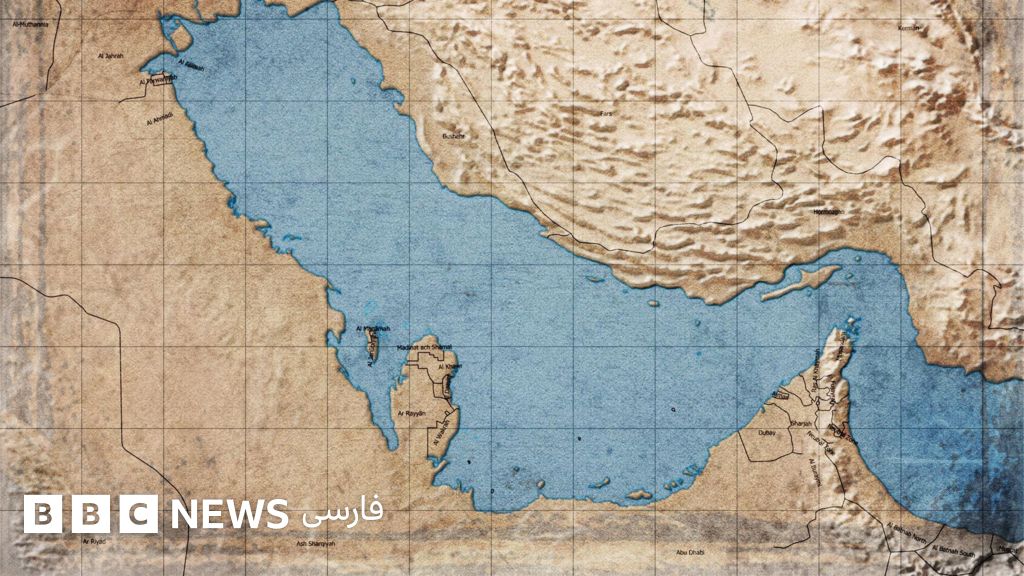
The article says Washington is alarmed by reports of Iran-Oman talks on managing traffic in the Strait of Hormuz. Trump and U.S. officials are signaling that any arrangement that expands Iran’s role there will face pushback.
This is about a narrow sea lane that many ships use like a busy highway. Iran, Oman, and the U.S. are arguing over who helps keep that highway safe, and Washington is warning Oman not to let Iran get too much control.
Analysis
What triggered the dispute
The article says the latest tension grew after Iranian and regional reports suggested Tehran and Muscat had been talking about the future of the Strait of Hormuz. Those discussions reportedly followed a war and a fragile ceasefire between the Islamic Republic and the United States, with Iranian representatives traveling to Oman to discuss mediation between Tehran and Washington and the future of the waterway.
Why Washington reacted
According to the article, the U.S. view is not simply about collecting transit fees. Analysts quoted in the piece say the real issue is that Washington does not want any arrangement that would strengthen Iran’s role in one of the world’s most sensitive trade routes. Trump’s threat was especially sharp: he said no one will control the strait, called it an international waterway, and warned Oman would be bombed if it did not behave like everyone else. Treasury Secretary Scott Bessent also warned that any party involved in Iran-related plans in Hormuz could face U.S. sanctions.
The strategic stakes
The article frames Hormuz as both a security issue and a contest over the postwar order in the Gulf. It notes that about one-fifth of global oil trade passes through the strait, so any change in its status can affect energy markets and the world economy. At the same time, Iranian officials and state-linked voices have emphasized the strait as a deterrent tool after the war, while Oman has presented itself as a stabilizer and facilitator of safe passage.
Oman’s balancing act
Oman has long kept close ties with Washington while also maintaining strong relations with Tehran. Foreign Minister Badr al-Busaidi has recently said his country is working on a mechanism to ensure safe passage through Hormuz, and Iranian Foreign Minister Abbas Araghchi has confirmed talks with his Omani counterpart on the issue. The article’s central question is whether U.S. pressure will pull Oman away from Iran, or whether it will simply reshape the form of their cooperation.
Key points
- Washington is warning against any Iran-linked arrangement in the Strait of Hormuz.
- Trump threatened Oman directly, saying it would be bombed if it did not act like others.
- U.S. officials appear to see the real issue as Iran’s influence, not just transit fees.
- Oman is trying to present itself as a guarantor of safe passage and a mediator.
- Hormuz remains strategically vital because a large share of global oil trade passes through it.
If the talks stay focused on safe passage, Oman could keep its role as a mediator while helping reduce the chance of shipping disruptions. A limited, practical arrangement could also keep Hormuz open without forcing a direct clash between Tehran and Washington.
If Washington treats any Iran-Oman coordination as a challenge, sanctions and threats could freeze cooperation and make the situation more confrontational. The result could be a more unstable Hormuz, with higher risks for shipping, energy markets, and regional diplomacy.