TfL brings case worth up to £1bn against carmakers over Ulez compliance
Transport for London is pursuing a potential £1bn legal action against car manufacturers over vehicles that it argues should not have been allowed to drive freely in the capital's clean-air zone.
Intelligence analysis by Llama
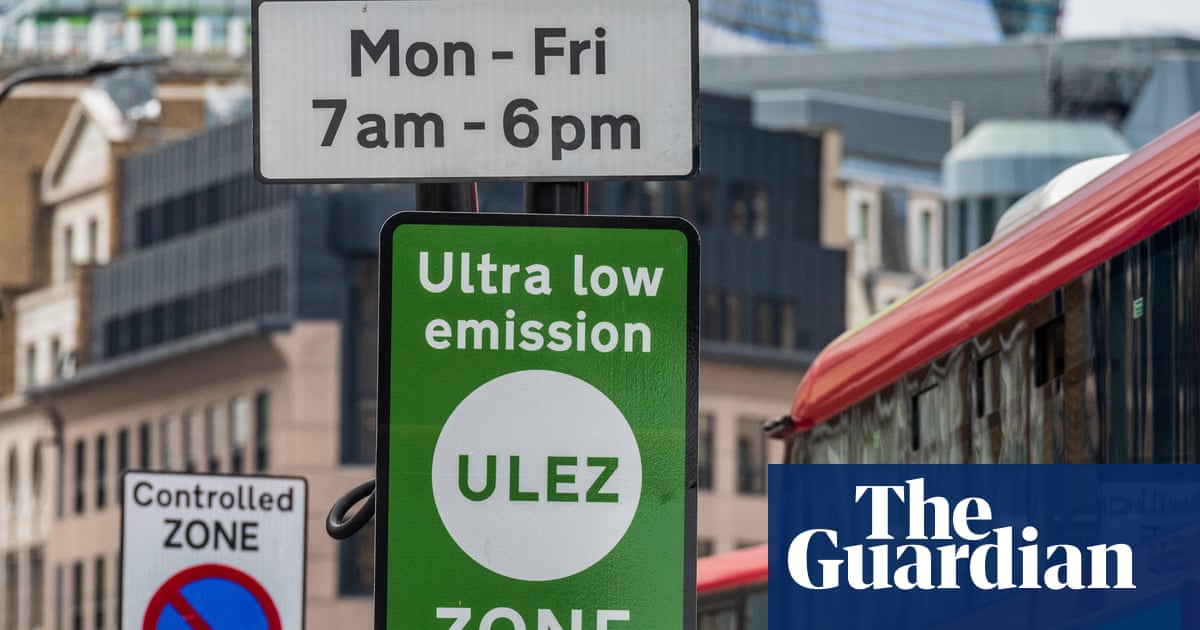
TfL is making allegations of 'fraud and negligence' against manufacturers including Stellantis, Jaguar Land Rover, BMW, and Nissan over their vehicles' levels of diesel emissions. The owners of the most polluting cars have to pay a £12.50 daily charge to enter London's ultra-low emission zone (Ulez), which was launched in 2019 and expanded to cover every borough in the capital in 2024.
Transport for London is suing car manufacturers because they made false claims about their cars' emissions. This means that some cars were allowed to drive in a clean-air zone without paying a fee, which is unfair and hurts the environment.
Analysis
A £1bn Case Against Carmakers
Transport for London (TfL) is pursuing a potential £1bn legal action against car manufacturers over vehicles that it argues should not have been allowed to drive freely in the capital's clean-air zone. The high court heard that TfL was making allegations of 'fraud and negligence' against manufacturers including Stellantis, Jaguar Land Rover, BMW, and Nissan over their vehicles' levels of diesel emissions.
The owners of the most polluting cars, largely diesels manufactured more than 11 years ago, have to pay a £12.50 daily charge to enter London's ultra-low emission zone (Ulez), which was launched in 2019 and expanded to cover every borough in the capital in 2024. Lawyers for TfL argue that vehicles, which should have paid a levy had entered the Ulez without charge, depriving TfL of revenue and undermining its attempts to improve air quality.
The Dieselgate Connection
The allegations were largely rejected in a recent verdict favouring car manufacturers but lawyers are considering an appeal. In a procedural hearing this week, first reported by the Financial Times, lawyers for TfL said manufacturers 'expressly or impliedly represented' that certain diesel vehicles were compliant. Laurence Page, barrister for TfL, said: 'The representations were false, made dishonestly or recklessly, alternatively negligently, and caused TfL loss,' and TfL would be seeking up to £1bn, the FT reported.
The Road Ahead
The details of TfL's lawsuit have emerged after a rebuff for lawyers and clean air campaigners in the parallel 'dieselgate' case earlier this month. A high court ruling rejected most of the allegations that car manufacturers had knowingly installed so-called defeat devices to rig tests. TfL has been granted a stay until October, as lawyers in the dieselgate case consider an appeal over the verdict on which TfL's suit would appear to depend.
Key points
- TfL is pursuing a potential £1bn legal action against car manufacturers over vehicles that it argues should not have been allowed to drive freely in the capital's clean-air zone.
- The allegations were largely rejected in a recent verdict favouring car manufacturers but lawyers are considering an appeal.
- TfL has been granted a stay until October, as lawyers in the dieselgate case consider an appeal over the verdict on which TfL's suit would appear to depend.
If TfL's lawsuit is successful, it could lead to car manufacturers being more honest about their vehicles' emissions, which would improve air quality in London and potentially set a precedent for other cities to follow.
If the car manufacturers are found not liable, it could set a bad precedent and make it harder for TfL to improve air quality in London. Additionally, the financial consequences for TfL could be significant if they are forced to refund drivers who were wrongly issued with fines.