US interest rates held for fifth time in a row
The Federal Reserve has held US interest rates for the fifth time in a row, keeping them between 3.5% and 3.75%. This decision was broadly expected and means that borrowing costs remain relatively high, but savings rates may also be boosted.
Intelligence analysis by Llama
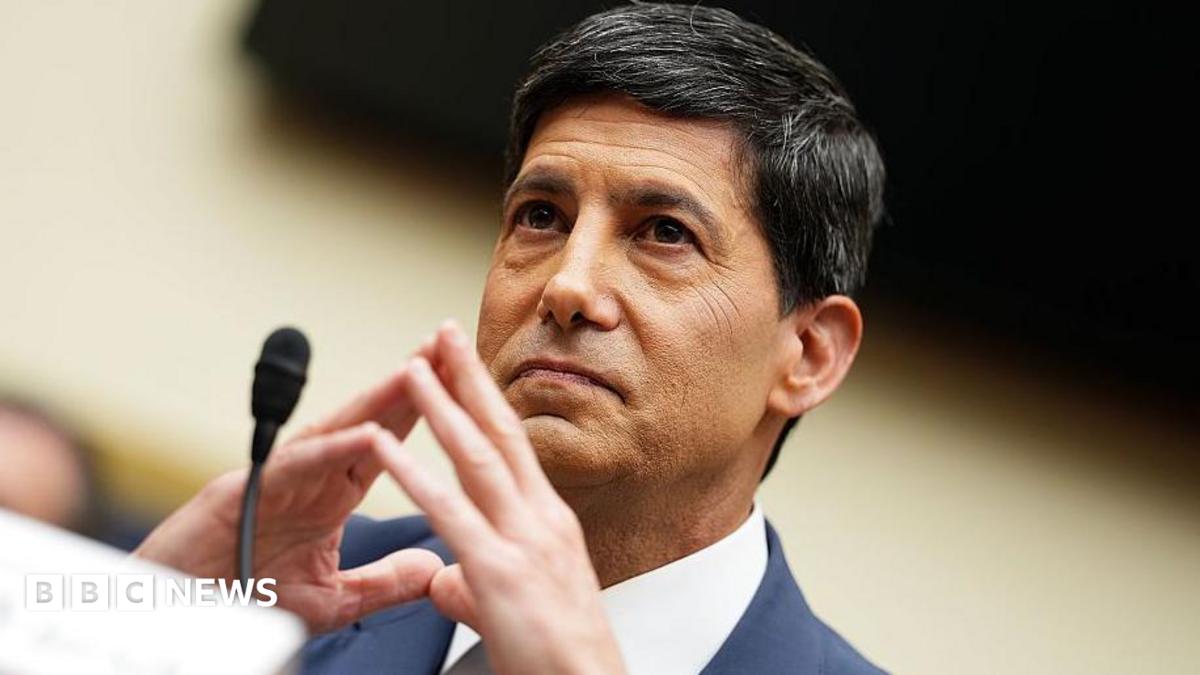
The Federal Reserve has decided to keep US interest rates at their current level, despite concerns about inflation and the impact of the ongoing conflict in the Middle East on global oil prices. This decision was made after a vote of 9-3 in favour of keeping rates on hold.
The Federal Reserve is like a referee in a game. They help keep the economy running smoothly by controlling interest rates. When interest rates are high, it's harder to borrow money, but it's also better for people who save money. The Federal Reserve decided to keep interest rates the same for the fifth time in a row, which means that borrowing costs will stay relatively high, but savings rates may also be boosted. This decision is like a vote of confidence in the US economy, but it also highlights the challenges that policymakers face in balancing the need to tackle inflation with the need to support economic growth.
Analysis
A $60B Vote of Confidence
The Federal Reserve's decision to hold US interest rates for the fifth time in a row is a vote of confidence in the US economy. Despite concerns about inflation and the impact of the ongoing conflict in the Middle East on global oil prices, policymakers at the US central bank have chosen to keep rates at their current level. This decision was made after a vote of 9-3 in favour of keeping rates on hold, with the three dissenting votes coming from those who believed that a small hike in interest rates was necessary to tackle inflation.
The decision to keep interest rates on hold is a balancing act, as high interest rates can lead businesses to hold off on investment, harming the economy. However, it is also a way of tackling inflation by making borrowing more expensive, encouraging people to cut back on spending and in turn leading to lower demand and price rises easing. But it is a balancing act, as high interest rates can lead businesses to hold off on investment, harming the economy.
The Fed acknowledged that inflation remained 'elevated' which it said was in part due to energy price increases. However, policymakers at the US central bank believe that the current level of interest rates is sufficient to tackle inflation and that the dip in inflation rates last month may be short-lived. The ongoing conflict in the Middle East is also a concern, as it has the potential to push up global oil prices and subsequently consumer prices in the coming months.
The decision to keep interest rates on hold has significant implications for the US economy, as higher interest rates can make borrowing more expensive for individuals and businesses, but can also lead to better returns on savings. It also has implications for global oil prices and consumer prices in the coming months. The Fed's decision to hold interest rates for the fifth time in a row is a vote of confidence in the US economy, but it also highlights the challenges that policymakers face in balancing the need to tackle inflation with the need to support economic growth.
Why Cursor?
The Federal Reserve's decision to hold interest rates for the fifth time in a row is a vote of confidence in the US economy. However, it also highlights the challenges that policymakers face in balancing the need to tackle inflation with the need to support economic growth. The ongoing conflict in the Middle East is a concern, as it has the potential to push up global oil prices and subsequently consumer prices in the coming months. The Fed's decision to hold interest rates for the fifth time in a row is a vote of confidence in the US economy, but it also highlights the challenges that policymakers face in balancing the need to tackle inflation with the need to support economic growth.
The Road Ahead
The decision to keep interest rates on hold has significant implications for the US economy, as higher interest rates can make borrowing more expensive for individuals and businesses, but can also lead to better returns on savings. It also has implications for global oil prices and consumer prices in the coming months. The Fed's decision to hold interest rates for the fifth time in a row is a vote of confidence in the US economy, but it also highlights the challenges that policymakers face in balancing the need to tackle inflation with the need to support economic growth.
Key points
- The Federal Reserve has held US interest rates for the fifth time in a row.
- The decision was made after a vote of 9-3 in favour of keeping rates on hold.
- The Fed acknowledged that inflation remained 'elevated' which it said was in part due to energy price increases.
- The ongoing conflict in the Middle East is a concern, as it has the potential to push up global oil prices and subsequently consumer prices in the coming months.
- The decision to keep interest rates on hold has significant implications for the US economy, as higher interest rates can make borrowing more expensive for individuals and businesses, but can also lead to better returns on savings.
The decision to keep interest rates on hold has the potential to boost economic growth by reducing borrowing costs and encouraging spending and investment. Additionally, the ongoing conflict in the Middle East may not have a significant impact on global oil prices and consumer prices in the coming months, which could lead to a more stable economic environment.
The decision to keep interest rates on hold may not be enough to tackle inflation, which could lead to higher prices and a decrease in the value of money. Additionally, the ongoing conflict in the Middle East has the potential to push up global oil prices and subsequently consumer prices in the coming months, which could lead to a more unstable economic environment.
Market signals
- Gold Escalation drives safe-haven demand for gold, per the article's framing of investor reaction.
AI-generated analysis of potential market relevance. Not financial advice.