Thailand jails activist over royal motorcade live streaming
A Thai court sentenced 25-year-old activist Tantawan Tuatulanon to two years in prison for violating the country's strict royal insult law after she live-streamed near a royal motorcade in March 2022. Her lawyer plans to appeal, arguing it was an exercise of free speech.
Intelligence analysis by Gemini 2.5 Flash
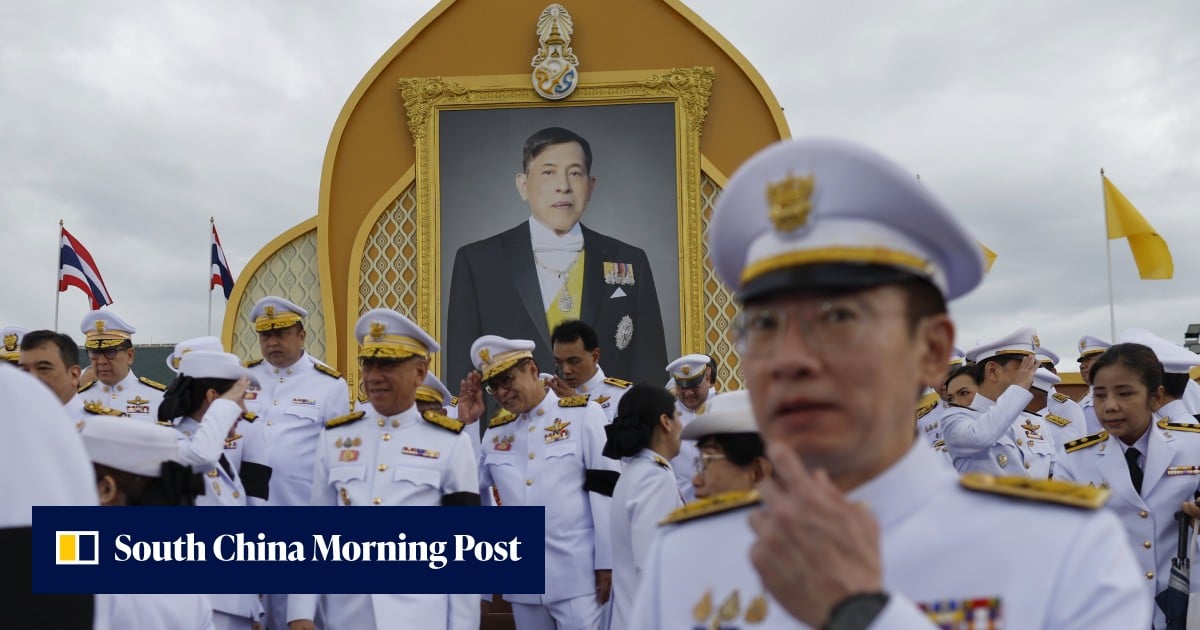
A Thai activist, Tantawan Tuatulanon, has been jailed for two years under the country's stringent lese-majeste law for live-streaming near a royal motorcade and questioning police conduct during a protest. The court deemed her actions an intentional defamation of the monarchy, a ruling her legal team vows to appeal, asserting her right to freedom of speech.
Imagine a country where saying anything bad about the king or queen is a very serious crime, like a super-duper strict rule. A young woman named Tantawan used her phone to show a video of police moving away farmers who were protesting near the king's car. The court said she was trying to be mean to the king and put her in jail for two years. Her lawyer says she was just asking questions, like when you ask why a teacher did something, and that it's unfair.
Analysis
Tantawan Tuatulanon
The conviction of 25-year-old activist Tantawan Tuatulanon to two years in prison under Thailand's strict royal insult law marks a significant moment for human rights and freedom of expression in the country. Tuatulanon was found guilty by a criminal court for a live stream she conducted near a royal motorcade in March 2022. Her actions, which involved questioning the police's dispersal of protesting farmers, were interpreted by the court as an intent to defame the highly revered Thai monarchy.
Lese-Majeste Law
Thailand's lese-majeste law, Article 112 of the Criminal Code, is among the world's strictest, carrying penalties of up to 15 years in prison for each count of insulting, defaming, or threatening the King, Queen, Heir-apparent, or Regent. Critics argue that the law is often used to suppress political dissent and silence opposition voices, rather than solely to protect the monarchy. The legal advocacy group Thai Lawyers for Human Rights (TLHR) has consistently highlighted the broad interpretation and severe application of this statute, which often leads to lengthy sentences for seemingly minor infractions.
March 2022 Incident
The specific incident leading to Tantawan's conviction involved her live-streaming near King Maha Vajiralongkorn's motorcade in Bangkok in March 2022. During the stream, she reportedly questioned the conduct of police officers who were dispersing farmers protesting along the royal route. The court's ruling stated that her actions were "not a good-faith exercise of rights" and constituted multiple insults to the monarchy. Her lawyer, Khumklao Songsomboon, maintains her innocence, asserting that her actions were merely an exercise of freedom of speech and a legitimate inquiry into police work and the right to assembly. The appeal process will likely focus on these arguments, challenging the court's interpretation of intent and the scope of free speech under Thai law.
Key points
- Thai activist Tantawan Tuatulanon was sentenced to two years in prison.
- The conviction is for violating Thailand's strict royal insult (lese-majeste) law.
- The charge stems from a March 2022 live stream near a royal motorcade where she questioned police conduct.
- The court ruled her actions intended to defame the monarchy and were not a good-faith exercise of rights.
- Her lawyer plans to appeal the verdict, arguing it was an exercise of freedom of speech and the right to assembly.
This conviction could further stifle freedom of expression and assembly in Thailand, deterring other activists from speaking out against authorities or the monarchy due to fear of severe legal repercussions. It also reinforces the broad and strict application of the lese-majeste law, potentially leading to more similar cases and prolonged detention for those perceived as critical.