Thailand monastery added to Unesco heritage list, boosting tourism hopes
A centuries-old monastery in southern Thailand, Wat Phra Mahathat Woramahawihan, has been inscribed on Unesco’s World Heritage List, becoming the country's ninth such site. This recognition is expected to aid in its conservation and sustainable management, while also boos…
Intelligence analysis by Gemini 2.5 Flash
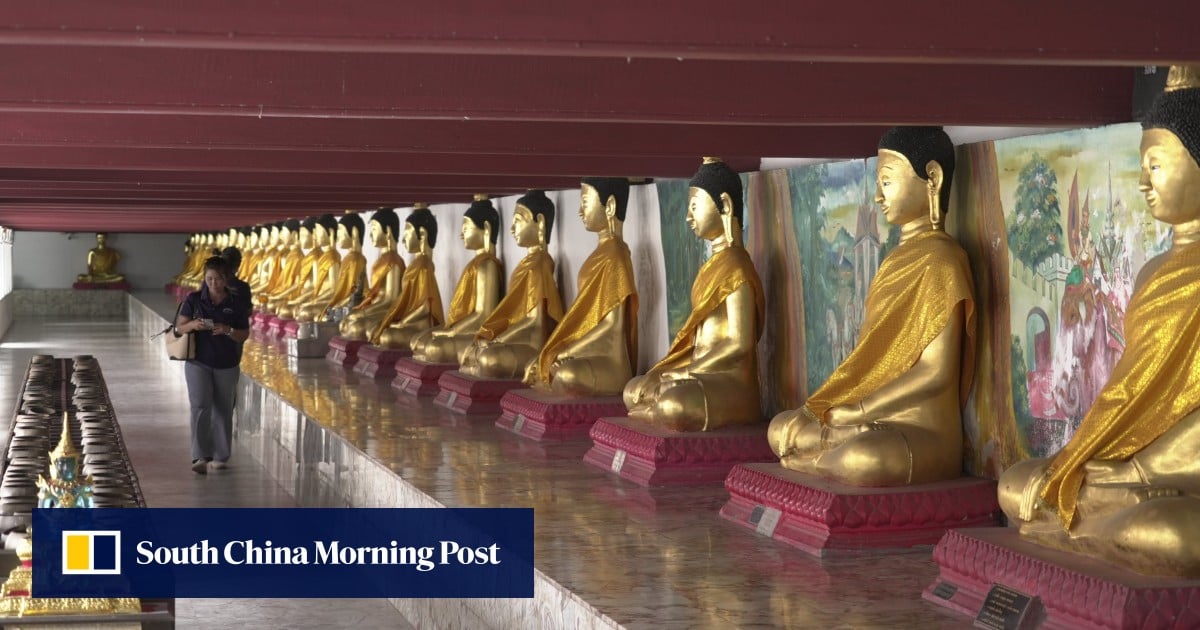
Thailand's Wat Phra Mahathat Woramahawihan, an 8th-century Buddhist center in Nakhon Si Thammarat, has achieved Unesco World Heritage status. This designation, the first for southern Thailand, is celebrated by officials and monks, aiming to enhance the site's preservation and attract more visitors to the culturally significant landmark.
Imagine a really old, special temple in Thailand, like a super important historical building. Now, a big international club called Unesco has added it to their list of the world's most amazing places, like a hall of fame for old buildings! This means more people will want to visit, like when a famous movie star visits a town, and it will help keep the temple safe and beautiful for a long, long time.
Analysis
Thailand's Newest Global Landmark
The inscription of Wat Phra Mahathat Woramahawihan on Unesco’s World Heritage List marks a significant milestone for Thailand, particularly for its southern region. This ancient monastery, which has served as a pivotal regional Buddhist center since the 8th century, now gains international recognition that extends beyond its spiritual importance. It is Thailand's ninth World Heritage site, but notably, the first in the nation's southern provinces, potentially shifting some tourism focus and development towards this historically rich but perhaps less-visited area. The recognition underscores the site's universal value, encompassing its architectural grandeur, such as the towering grey stupa and massive reclining Buddha, as well as its deep historical and religious significance.
Synergy of Conservation and Economic Growth
The Thai foreign ministry explicitly stated that the Unesco inscription will "further strengthen cooperation at both the national and local levels in the conservation, protection and sustainable management" of the site. This highlights a dual benefit: enhanced preservation efforts for a centuries-old cultural treasure, coupled with the economic advantages that typically follow such international recognition. World Heritage status often leads to increased tourism, which can bring much-needed revenue for local communities and infrastructure development. However, it also necessitates careful management to prevent over-tourism from degrading the very heritage it aims to protect. The challenge for Thai authorities will be to balance visitor numbers with the delicate requirements of conservation, ensuring the site's integrity for future generations while maximizing its economic potential responsibly.
Broader Asian Cultural Diplomacy
This development in Thailand reflects a broader trend across Asia, where nations are increasingly leveraging their rich cultural and historical assets for international recognition and soft power. Countries like China, India, and Japan have actively pursued Unesco listings for their own ancient temples, historical cities, and natural wonders, understanding the prestige and tourism boost that comes with such designations. For China, which boasts numerous World Heritage sites, this Thai example serves as a reminder of the competitive landscape in cultural tourism and the ongoing importance of preserving and promoting national heritage on a global stage. It underscores a shared regional strategy of using cultural diplomacy to enhance national identity, attract foreign visitors, and foster international cooperation in heritage preservation.
Key points
- Wat Phra Mahathat Woramahawihan in southern Thailand has been added to Unesco’s World Heritage List.
- It is Thailand's ninth World Heritage site and the first in the nation's southern region.
- The monastery has served as a major regional Buddhist center since its founding in the 8th century.
- The inscription is expected to strengthen conservation efforts and boost tourism hopes for the area.
- Officials and monks celebrated the recognition with blessings and a gong ceremony.
The Unesco World Heritage status is expected to significantly boost tourism to Nakhon Si Thammarat province, bringing economic benefits and job creation to the local community. Furthermore, the recognition will strengthen conservation efforts, ensuring the long-term preservation of this historically and culturally significant Buddhist site.
Increased tourism, while economically beneficial, could pose challenges for the monastery's delicate structures and serene atmosphere if not managed carefully. Over-tourism might lead to overcrowding, environmental strain, and potential damage to the site, requiring robust management strategies to mitigate these risks.