Thames Water should be nationalised, says Andy Burnham
Andy Burnham says Thames Water should be brought into public ownership as bills rise, profits grow and the company nears collapse.
Intelligence analysis by GPT-5.4 Mini
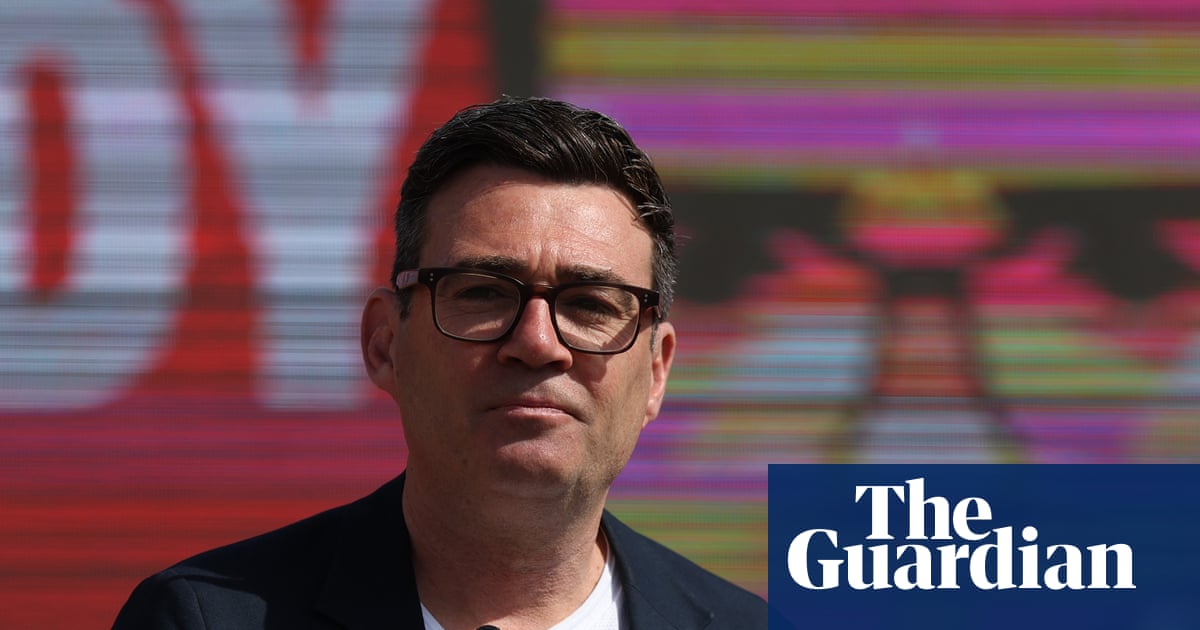
Burnham says public ownership is now the right answer for Thames Water, tying the case to higher bills, private profit and years of underinvestment. His comments also sharpen his pitch on water policy as he prepares for a possible Labour leadership contest.
Thames Water is like a big shared water bucket that got filled with too much debt and keeps spilling messes. Andy Burnham says the public should take it back so the people paying the bills are not stuck cleaning up while others take the money.
Analysis
Burnham’s position
Andy Burnham has gone beyond calling for greater public control of water companies and said outright that Thames Water should be nationalised. He said public ownership is “absolutely an option” and that, for Thames Water in particular, “that is what should be done.”
Why Thames Water is the flashpoint
The company is England’s largest water supplier, serving about a quarter of the population. The article says successive private owners loaded it with about £20bn of debt, while the business has moved close to collapse. That collapse risk has become a test case for the wider water sector, which has faced pollution scandals, weak investment and criticism over dividends paid to shareholders.
The government’s choices
Ministers are weighing whether to place Thames Water into special administration, which would amount to temporary nationalisation, or accept a creditor-backed rescue plan. According to the article, the deal under discussion could write off up to £1bn in fines for illegal pollution and leave the company partly controlled by hedge fund billionaire Paul Singer, a Trump donor.
Political pressure
Burnham’s comments come as he prepares for a possible Labour leadership run. He said water companies have put private interest ahead of public interest, with shareholders insulated from loss while customers face higher bills. He also backed tighter measures on bonuses, including a possible ban on leadership-team bonuses at failing firms.
The government has argued that nationalising water would cost about £100bn in compensation, but the article says experts dispute that figure and argue ministers could legally avoid compensating creditors at all given Thames Water’s condition. Burnham’s intervention adds pressure on Labour’s current approach, which has leaned on consultation and a new regulator rather than ownership change.
Key points
- Andy Burnham says Thames Water should be nationalised and says public ownership is an option.
- He argues the industry has prioritized shareholders over bill payers and has seen excessive profiteering.
- Thames Water is close to collapse after being burdened with about £20bn of debt.
- The government is considering special administration or a creditor deal that could write off fines.
- Burnham also supports tougher limits on bonuses for water company leadership teams.
If the company is brought under public control, the government could focus on fixing leaks, sewage problems and investment instead of protecting shareholders. That could also make it easier to stop bill rises being used to reward owners while customers absorb the costs.
If ministers choose a creditor deal instead of public ownership, the company could remain tied to the same financial pressures that helped drive it into crisis. The article also suggests the government’s slower reform plan may leave sewage, bill and bonus problems unresolved for years.