The anatomy of a Mardi Gras showdown
On Mardi Gras day in New Orleans, Mardi Gras Indians, or Black Masking Indians, march through the streets in elaborate suits covered in beads, feathers, and rhinestones. The big chiefs, leaders of the so-called tribes, wear the most detailed and impressive suits, and the …
Intelligence analysis by Llama
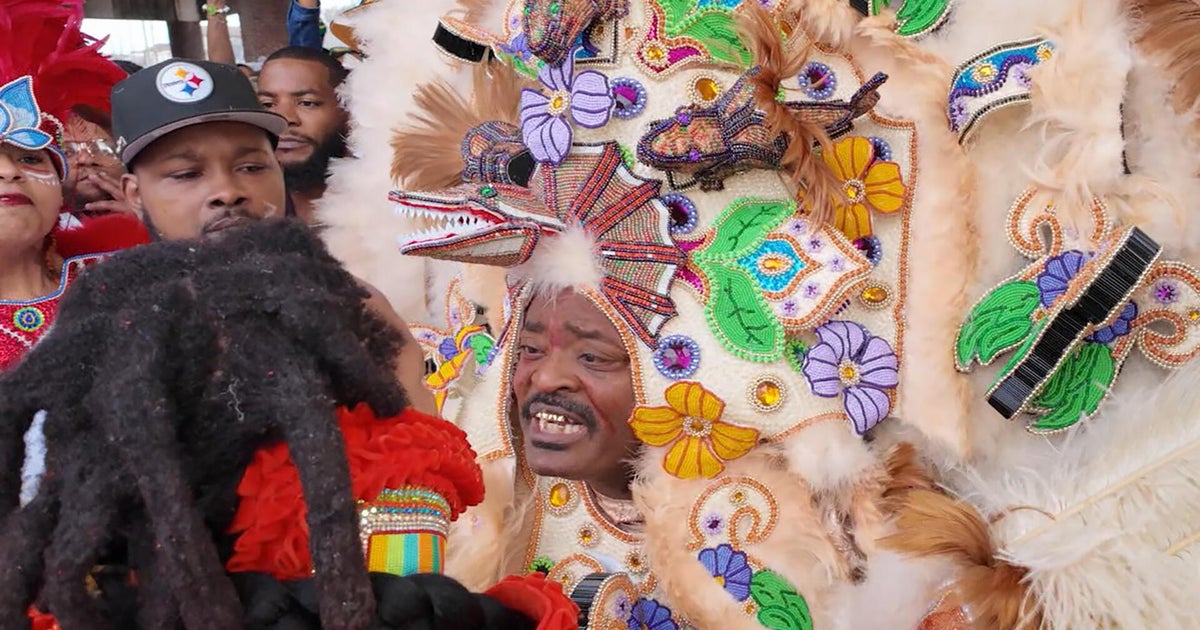
Mardi Gras Indians, or Black Masking Indians, compete on Mardi Gras day in New Orleans to see who is the 'prettiest' by wearing elaborate suits covered in beads, feathers, and rhinestones. The tradition dates back to the 1800s and is a sign of respect for the Native Americans who gave refuge to enslaved Black people.
Imagine a big parade in New Orleans where people wear amazing costumes covered in beads, feathers, and rhinestones. The people in charge of the parade, called big chiefs, wear the most impressive costumes and compete to see who is the most beautiful. This is called the Mardi Gras Indian tradition, and it's a way for the Black community to celebrate and honor their heritage.
Analysis
The Origins of Mardi Gras Indians
The Mardi Gras Indian tradition dates back to the 1800s, when enslaved Black people escaped to New Orleans and were given refuge by Native Americans. This tradition is a sign of respect for the Native Americans who helped these enslaved people and is a way for the Black community to celebrate and honor their heritage.
The Suits and the Competition
The Mardi Gras Indians wear elaborate suits covered in beads, feathers, and rhinestones, and the big chiefs, leaders of the so-called tribes, wear the most detailed and impressive suits. The tribes compete to see who is the 'prettiest', and this competition is a key part of the Mardi Gras Indian tradition.
The Significance of the Tradition
The Mardi Gras Indian tradition is a significant part of New Orleans' culture and history, and understanding its origins and significance can provide insight into the city's complex past and present. It is a way for the Black community to celebrate and honor their heritage, and it is a testament to the resilience and creativity of the Black people who were enslaved and oppressed.
The Role of the Big Chiefs
The big chiefs, leaders of the so-called tribes, play a significant role in the Mardi Gras Indian tradition. They wear the most detailed and impressive suits, and they are responsible for leading their tribes in the competition to see who is the 'prettiest'. The big chiefs are also responsible for maintaining the tradition and ensuring that it continues to thrive.
The Impact of the Tradition
The Mardi Gras Indian tradition has a significant impact on the city of New Orleans and its people. It is a source of pride and celebration for the Black community, and it is a testament to the resilience and creativity of the Black people who were enslaved and oppressed. The tradition also brings people together and provides a sense of community and belonging.
Key points
- The Mardi Gras Indian tradition dates back to the 1800s and is a sign of respect for the Native Americans who gave refuge to enslaved Black people.
- The big chiefs, leaders of the so-called tribes, wear the most detailed and impressive suits and are responsible for leading their tribes in the competition to see who is the 'prettiest'.
- The Mardi Gras Indian tradition is a significant part of New Orleans' culture and history and understanding its origins and significance can provide insight into the city's complex past and present.
If the Mardi Gras Indian tradition continues to thrive, it could bring more people together and provide a sense of community and belonging for the Black community in New Orleans. It could also serve as a source of pride and celebration for the city and its people.
If the Mardi Gras Indian tradition is not preserved and passed down to future generations, it could be lost forever and the Black community in New Orleans could lose an important part of their heritage and culture.