The Architecture of Creation and Demolition: Banksy, Zhang Dali, and China’s Living City
An opinion piece argues that Venice’s Banksy mural restoration shows how Western preservation can freeze cities, while Chinese cities stay more adaptable.
Intelligence analysis by GPT-5.4 Mini
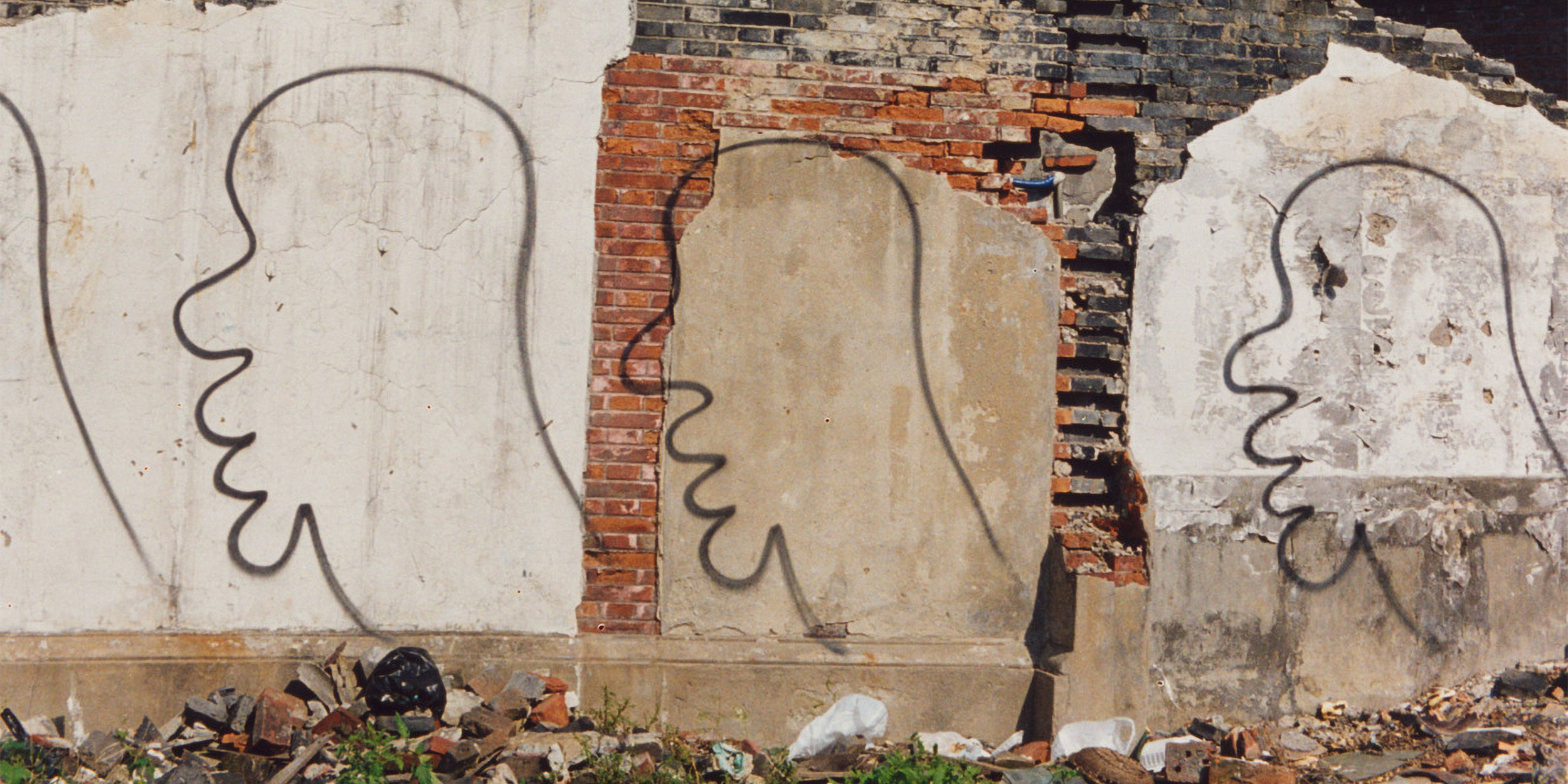
Using Banksy’s restored Venice mural as a foil, the article argues that Western heritage policy can turn cities into static museums, while Chinese urban change can preserve a city’s ability to stay alive, messy, and responsive.
The article says a city is more like a living garden than a museum shelf. Banksy’s wall in Venice was locked away, but Zhang Dali’s art used demolition itself like part of the painting, showing that cities need change to stay alive.
Analysis
Preservation versus living cities
The article opens with Banksy’s mural “The Migrant Child” in Venice and argues that the work lost part of its meaning when institutions physically cut the stone from the façade and sealed it away. In the author’s view, that kind of restoration reflects a broader Western tendency to treat cities as objects to be preserved in place, even when that freezes public life.
The piece ties this to the “Authorized Heritage Discourse,” arguing that preservation frameworks can elevate buildings over the communities that inhabit them. It also links this to tourism-heavy city centers, where local life is displaced by curated scenery and short-term rental economies.
Against that backdrop, the article presents Chinese cities as more fluid and adaptable. It says that in places like Beijing, Chengdu, and Shanghai, change is still visible and ongoing, which the author treats as evidence that urban destruction can be part of renewal rather than simply loss.
Zhang Dali as the key example
The article uses Zhang Dali’s mid-1990s Dialogue series to make the case. Zhang painted his own profile alongside the character for demolition, chai, on Beijing hutong walls that were already slated to disappear. The author argues that Zhang understood the coming demolition and made it part of the work itself. In some cases, he even cut away masonry inside the outline, turning demolition into a creative partner.
The article also credits Zhang with showing how graffiti can move between street and gallery without losing its force. Instead of importing rubble into exhibitions, he exhibited photographs of the interventions, reframing graffiti as a trace of action rather than just wall material. The author contrasts that approach with the Venice restoration, saying Zhang preserved meaning without the brick, while the restoration kept the brick but stripped away the original public context.
Core argument
The central claim is that urban life requires change, and that destruction is sometimes a necessary condition for renewal. The article treats Chinese urbanism as a more honest model of a city as a living organism rather than a fixed monument.
Key points
- The article contrasts Venice’s restoration culture with China’s more change-oriented urbanism.
- It argues that preservation can turn cities into static museums that serve visitors more than residents.
- Zhang Dali’s graffiti is presented as an early example of art that embraced demolition instead of resisting it.
- The piece says Zhang preserved the meaning of street art by documenting the intervention, not by saving the wall itself.
- The core claim is that destruction can be part of renewal in a living city.
If the article’s view holds, Chinese cities could keep adapting to new needs without becoming frozen or empty. That would leave room for both everyday life and new creative work to coexist in the same urban spaces.
The downside is that frequent demolition can also erase neighborhoods, memory, and local identity if change is not balanced with care. The article itself notes that the issue remains contentious, especially when outsiders see renewal as cultural loss.