The Best Backpacks for Kids, Tested by an Elementary School Student
A mother and her daughter test and review the best backpacks for kids, aged 4 to 8, considering factors such as capacity, comfort, and durability. They recommend the State Kane Backpack as the best overall option, followed by the Calpak Miffy Kids Medium Backpack and the …
Intelligence analysis by Llama
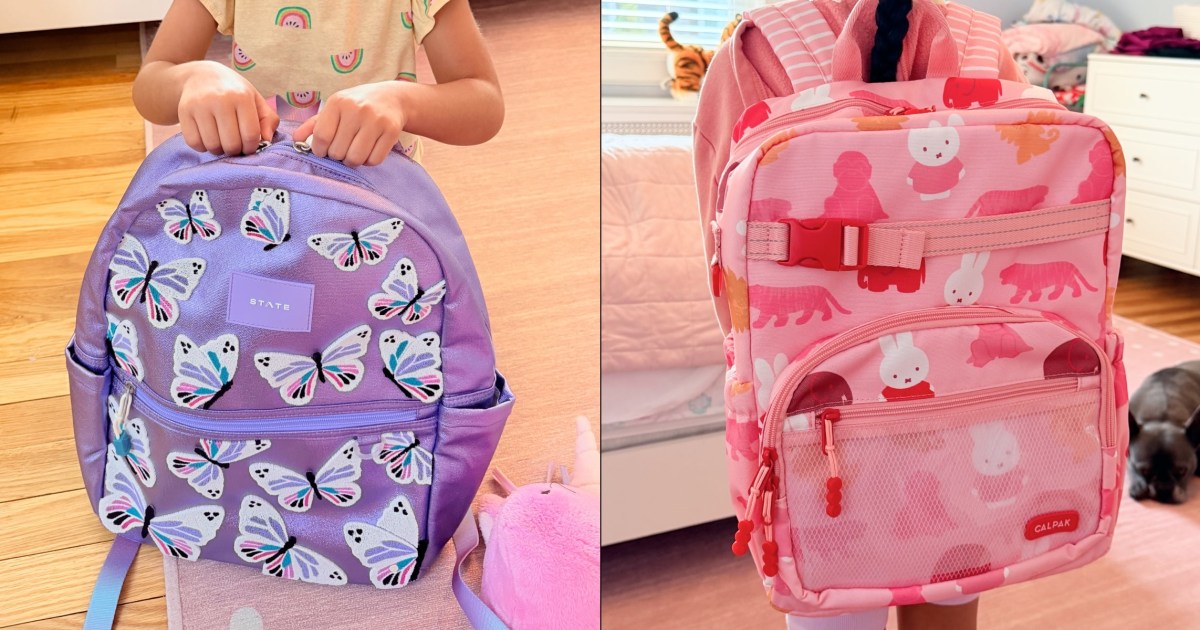
A mother and her daughter test and review the best backpacks for kids, aged 4 to 8, considering factors such as capacity, comfort, and durability. They recommend the State Kane Backpack as the best overall option, followed by the Calpak Miffy Kids Medium Backpack and the Children's Place Girls Strawberry Backpack as budget-friendly alternatives.
Imagine you're a kid going to school, and you need a special bag to carry all your stuff. You want it to be comfy, have lots of room, and be easy to clean. That's what this article is about - finding the best backpacks for kids like you.
Analysis
Best Overall Option: State Kane Backpack
The State Kane Backpack is a top pick for parents and kids alike. With a 15-liter capacity, it can hold everything a child needs for school, from folders and textbooks to a lunch box and snack box. The interior is genuinely organized, with zip pockets, slip pockets, and pen holders to keep everything in its place. My daughter loved the metallic purple butterfly design, and it's still her favorite of everything we tested. The main compartment fits everything she needs, and the straps are adjustable, making it easy to cinch them down to fit her small frame. The bag is also easy to clean, with a wipe-down design that makes it look brand new after a spill or drop.
Most Comfortable Option: Calpak Miffy Kids Medium Backpack
The Calpak Miffy Kids Medium Backpack was an easy one to fall in love with. The Miffy Pink Zoo Trip print is genuinely cute and colorful without being overwhelming. Sized for ages 5 to 8, it holds 15 liters and one detail I didn’t expect to notice actually ended up really wowing me: the rounded square corners actually gave us more usable interior space than the traditional rounded-top backpacks we tried, so folders and books slid in without getting squeezed into an awkward curve. My daughter also loved how comfortable the padded straps felt on her shoulders, even on days when the bag was packed full. And because she’s still pretty small, the adjustable sternum clip made a real difference. It kept the bag snug and centered on her frame instead of sliding around or pulling her backward, which is such a small thing but makes a big difference for a kid who’s still getting used to carrying her own stuff around all day.
Best Budget Pick: The Children’s Place Girls Strawberry Backpack
I’ll admit, I wasn’t expecting much from a $16 backpack, but this bag pleasantly surprised me. It’s genuinely spacious for the price, with enough room for a lunch box alongside books, a pencil case, and the usual daily clutter, and the front-zip and side mesh pockets give her a place to stash smaller items separately. I also appreciated that it’s black, since it hides stains and scuffs far better than a lighter bag would, but it still has a fun strawberry print scattered across it that my daughter thought was “the cutest.” It doesn’t feel quite as sturdy or built-to-last as some of the pricier options, but it’s a great value for the price.
Key points
- The State Kane Backpack is the best overall option for kids aged 4 to 8, with a 15-liter capacity and a wipe-down design.
- The Calpak Miffy Kids Medium Backpack is the most comfortable option, with padded straps and an adjustable sternum clip.
- The Children's Place Girls Strawberry Backpack is the best budget pick, with a spacious design and a fun strawberry print.
- When choosing a backpack for your child, consider factors such as capacity, comfort, and durability.
- A good backpack can make a big difference in a child's daily life, from being more organized to feeling more confident and independent.
If parents and caregivers choose the right backpack for their child, it can make a big difference in their daily life, from being more organized to feeling more confident and independent. With the right backpack, kids can focus on learning and having fun, rather than worrying about their stuff.
If parents and caregivers choose the wrong backpack for their child, it can lead to discomfort, frustration, and even safety issues. For example, a backpack that's too heavy or poorly designed can cause back pain or injuries.