The billionaire hidden behind the curtain inside Trump’s Pentagon
Stephen Feinberg, a billionaire and founder of Cerberus Capital Management, has significant influence over US military spending as deputy secretary of defense. He has been media-shy and has not testified to Congress or given interviews since his confirmation hearing. Fein…
Intelligence analysis by Llama 3.3 70B
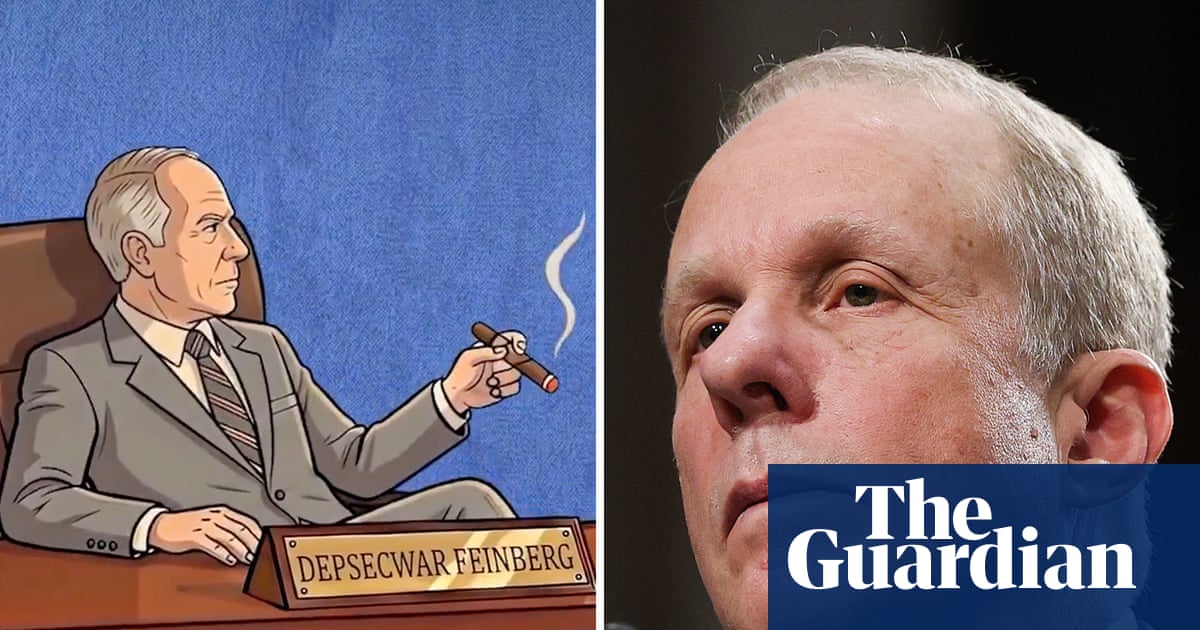
Feinberg has quietly amassed extraordinary influence over US military spending, with control over the Pentagon's procurement network and investments in defense companies with taxpayer dollars. His media-shy nature has raised concerns about transparency and accountability.
Imagine a very rich and powerful man who helps decide how the US military spends its money. This man, Stephen Feinberg, has a lot of influence, but he doesn't like to talk to the media or answer questions from Congress. Some people are worried that he might be using his power to help his own business interests, rather than what's best for the country.
Analysis
The Rise of Stephen Feinberg
Stephen Feinberg, the 66-year-old billionaire founder of Cerberus Capital Management, has served as the deputy secretary of defense since March 2025. Despite his media-shy nature, Feinberg has far eclipsed his boss, Defense Secretary Pete Hegseth, in actual influence and impact. According to sources, Feinberg has unprecedented control over the Pentagon's vast procurement network and a remarkable new ability to invest in defense companies with taxpayer dollars.
Feinberg's critics and supporters agree that he has shredded the old cumbersome rules of government weapons acquisition and seems to have turned the Pentagon into its own private equity powerhouse. He has seeded the department with his loyalists, current or former executives of Cerberus, who are empowering him to change the military-industrial complex. A Pentagon official who worked with Feinberg noted that in his mind, the most qualified people are those who have been working for him for 10 years, and their whole thing is shaking up the way government works.
Conflicts of Interest Concerns
Feinberg's investments and connections have raised concerns about conflicts of interest. For example, Cerberus owns Stratolaunch, a hypersonic flight test company that announced a new $90.8 million Pentagon contract in January. Hypersonics have been a key item on the DOD shopping list. Additionally, Cerberus bought control of a federal contracting company called M1 Support Services, which supplies training and operations to the US military, months before Trump won the 2024 election. This year, it launched a Saudi Arabian subsidiary.
Feinberg said he would fully divest holdings in Cerberus and its affiliates once he joined the government, but some critics question whether he has fully divested. A Cerberus spokesperson claimed that Feinberg divested his stake in Cerberus and is not involved with the operations of Cerberus or any of its portfolio companies in any way. However, the lack of transparency and accountability raises concerns about Feinberg's influence and potential conflicts of interest.
Implications for US Defense Priorities
Feinberg's influence over US military spending has significant implications for the country's defense priorities and budget allocation. His control over the Pentagon's procurement network and investments in defense companies with taxpayer dollars raises concerns about the direction of US defense policy. As the US faces growing global security challenges, the question remains whether Feinberg's approach will effectively address these challenges or create new problems. The lack of transparency and accountability in Feinberg's decision-making process only adds to the concerns about the future of US defense policy.
Key points
- Stephen Feinberg has significant influence over US military spending as deputy secretary of defense
- Feinberg has control over the Pentagon's procurement network and has invested in defense companies with taxpayer dollars
- Concerns have been raised about conflicts of interest and transparency in Feinberg's decision-making process
If Feinberg's approach to defense spending is successful, it could lead to more efficient and effective use of taxpayer dollars. His experience in private equity could bring a new level of expertise to the Pentagon's procurement network, potentially leading to better outcomes for the US military. However, this outcome is highly dependent on Feinberg's ability to balance his business interests with the needs of the US military.
Feinberg's influence over US military spending raises concerns about conflicts of interest and transparency. If his approach prioritizes his own business interests over the needs of the US military, it could lead to wasteful spending and ineffective defense policies. The lack of accountability and transparency in Feinberg's decision-making process only adds to these concerns, potentially leading to negative consequences for the US military and the country as a whole.