The critical tech staying safe by going underground
A new tunnel boring machine can blast its way through solid rock, making it easier and cheaper to bury critical infrastructure underground. This technology could be used to secure equipment from drone attacks and other threats.
Intelligence analysis by Llama
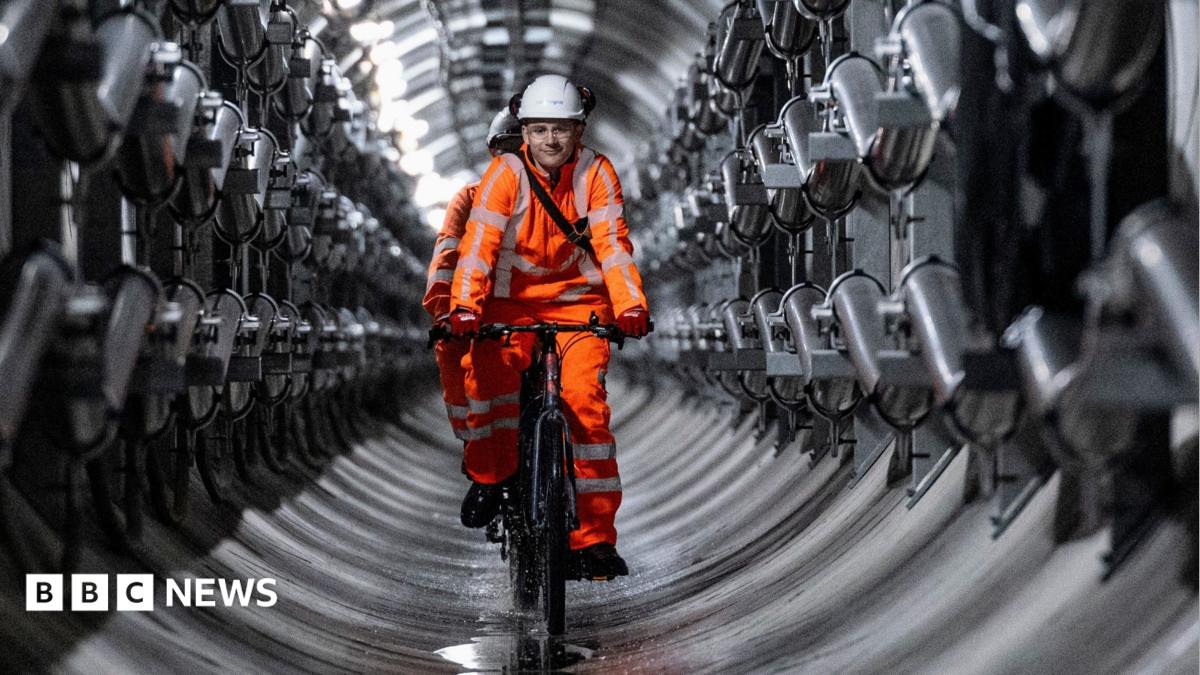
A new tunnel boring machine can blast through solid rock, making it easier to bury critical infrastructure underground. This technology could be used to secure equipment from drone attacks and other threats.
Imagine you're building a tunnel to put important cables and equipment underground. A new machine can melt through solid rock like a hot knife through butter, making it easier and cheaper to do this. This is important because it can help keep us safe from attacks and natural disasters.
Analysis
Emerging Technologies for Undergrounding Critical Infrastructure
The recent conflict in Ukraine has highlighted the vulnerability of above-ground facilities to drone attacks and other threats. In response, there is a growing demand for undergrounding critical infrastructure, such as power and telecommunications cables, substations, data centers, and other essential equipment. Emerging technologies like the tunnel boring machine developed by EarthGrid are making it easier and cheaper to bury these facilities underground.
The EarthGrid machine uses a plasma torch to melt through solid rock, creating a tunnel that can be used to install cables and other infrastructure. This technology has the potential to revolutionize the way we build and maintain critical infrastructure, making it more secure and resilient to attacks.
The Benefits of Undergrounding
Undergrounding critical infrastructure has several benefits, including improved security and reduced vulnerability to attacks. It also reduces the risk of damage from natural disasters, such as earthquakes and floods. Additionally, undergrounding can help to reduce energy consumption and costs associated with cooling and powering equipment.
The Challenges of Undergrounding
Despite the benefits of undergrounding, there are still significant challenges to overcome. These include releasing potentially dangerous gases locked in the ground, occasional flooding issues, and the need for dramatic innovation in tunnel boring equipment. However, technologies like laser-guidance systems and gyroscopes are making tunnelling more accurate and efficient.
The Future of Undergrounding
As the demand for undergrounding critical infrastructure continues to grow, it is likely that we will see further innovation in tunnel boring equipment and other technologies. This could lead to the development of more efficient and cost-effective methods for undergrounding, making it easier and cheaper to secure critical infrastructure.
Key points
- A new tunnel boring machine can blast its way through solid rock, making it easier and cheaper to bury critical infrastructure underground.
- This technology could be used to secure equipment from drone attacks and other threats.
- Undergrounding critical infrastructure has several benefits, including improved security and reduced vulnerability to attacks.
- There are still significant challenges to overcome, including releasing potentially dangerous gases locked in the ground and occasional flooding issues.
If this technology is widely adopted, it could lead to a significant reduction in the risk of damage from attacks and natural disasters. It could also help to reduce energy consumption and costs associated with cooling and powering equipment.
However, there are still significant challenges to overcome, including releasing potentially dangerous gases locked in the ground and occasional flooding issues. If these challenges are not addressed, it could limit the effectiveness of undergrounding and make it more difficult to implement.