The FCC wants to ban drones with LiDAR that it previously approved
The FCC is proposing to retroactively ban drones equipped with LiDAR, thermal imaging, and other capabilities it previously approved, targeting DJI consumer models like the Air 3S and Mini 5 Pro.
Intelligence analysis by Llama
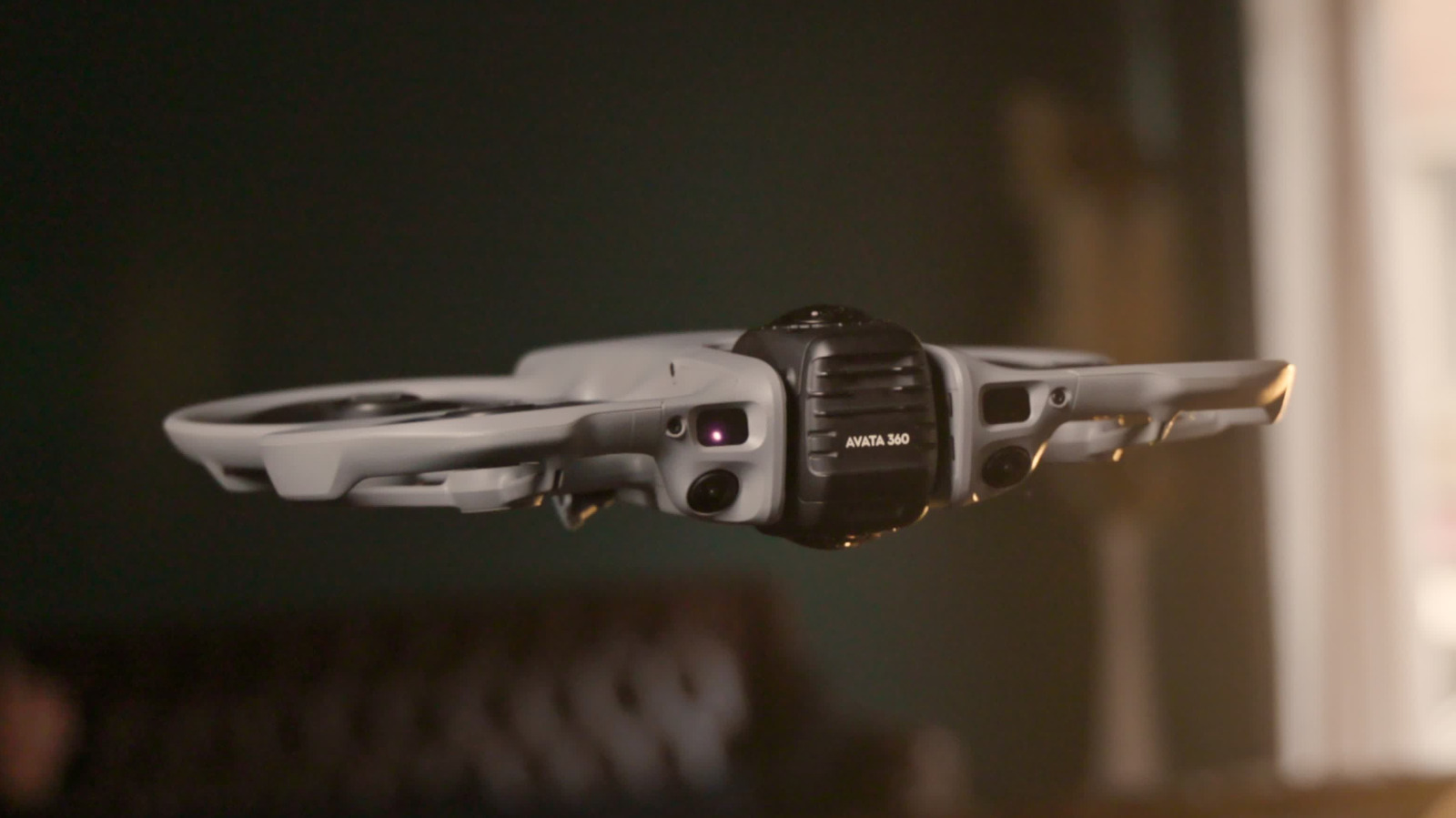
The FCC wants to pull already-approved drones from store shelves if they carry features the agency now considers national-security risks, including LiDAR sensing, thermal imaging, swarming, and docking-station integration. DJI publicly condemned the proposal as a "total reversal."
A drone is a small flying robot, and LiDAR is a special sensor that helps it figure out how far away objects are, kind of like how a bat uses echoes to see in the dark. The government used to say it was fine for drones with this sensor to be sold, and now it wants to change its mind and stop new ones from being sold. The company that makes them says that's a total reversal, because they already followed all the rules.
Analysis
LiDAR sensing and "military-grade" features
The FCC's proposal targets a specific cluster of capabilities that the agency groups together under the label of "military capability" or "particular national security risks." Those capabilities include thermal imaging, LiDAR sensing, aerosol dispensing, integration with defense articles, docking stations, and swarming. The framing matters because LiDAR has become a mainstream consumer technology — Apple's iPhones and iPads have carried it for years, and many premium cameras rely on it for depth perception. By grouping that sensor class together with "aerosol dispensing" (the term DJI uses for agricultural spraying payloads) and "swarming drones," the FCC is drawing a security boundary around features that, until recently, sat comfortably inside ordinary consumer electronics. The proposal would extend a list first populated with foreign-made drones and their critical components in December 2025, then widened last month to cover suspected DJI rebranders.
DJI's Air 3S, Avata 360, and Mini 5 Pro
The retroactive reach of the proposal is what makes this story unusual. When the FCC first added foreign-made drones to the Covered List in December 2025, the change only affected upcoming models. Now the agency wants to pull already-approved consumer drones like the DJI Air 3S, DJI Avata 360, and DJI Mini 5 Pro from store shelves. DJI's official ViewPoints blog called the move a "total reversal" from the FCC's previous position. Commercial-grade DJI drones used for missions like agricultural spraying and search and rescue could also be caught in the net — sectors where DJI holds a meaningful share of the US market and where alternatives are thinner than in the consumer segment.
The September 2 comment deadline
The FCC is accepting public comments on the proposal until September 2, giving industry roughly three weeks to respond. The agency emphasized that any ban would not affect drones already purchased by users, so existing Air 3S and Mini 5 Pro owners would keep their hardware. The downstream effects, however, could be substantial: as Engadget notes, "parts may become scarce and software features could be removed or not updated," meaning the ecosystem around affected drones could gradually degrade even for current owners. The comment window is the last public-facing checkpoint before the FCC finalizes whether consumer LiDAR-equipped drones become the next category barred from US shelves.
Key points
- The FCC is proposing to ban drones equipped with LiDAR, thermal imaging, aerosol dispensing, docking stations, and swarming capabilities.
- Consumer DJI models including the Air 3S, Avata 360, and Mini 5 Pro — previously approved by the FCC — could be retroactively pulled from the US market.
- Drones already purchased by users would not be affected, but parts and software support could degrade for current owners.
- DJI called the move a "total reversal" from the FCC's prior position in a post on its ViewPoints blog.
- The FCC is accepting public comments on the proposal until September 2.
The FCC's proposal is still subject to a public comment period running until September 2, giving DJI and other affected manufacturers a window to argue for a narrower scope. If industry feedback convinces the agency to soften the final rule, widely used consumer and commercial models like the Air 3S and Mini 5 Pro could remain on shelves. Regardless of the outcome, drones already in buyers' hands are explicitly exempted, so existing owners would not lose their hardware.
Even with the carve-out for already-purchased drones, blocking new sales of the Air 3S and Mini 5 Pro could trigger the secondary harms the FCC notice itself implies: scarcer parts, halted software updates, and removed features on drones still in service. Agricultural operators and search-and-rescue teams that depend on DJI commercial drones could face abrupt fleet disruptions, and the Covered List approach could spread to other categories of consumer electronics with embedded sensors.