The gaokao effect: how China’s rigorous exam influences aspirations and social mobility
China’s gaokao remains a powerful force shaping university access, careers and family expectations, even as candidate numbers fall for a second year.
Intelligence analysis by GPT-5.4 Mini
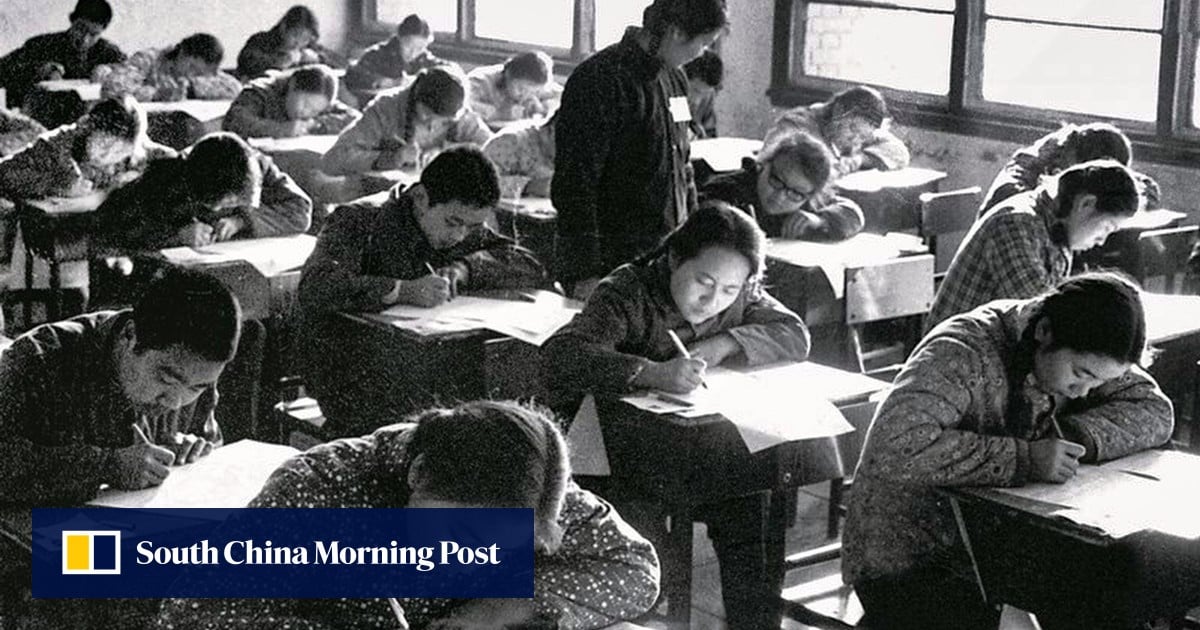
SCMP’s second instalment on the gaokao argues that China’s college entrance exam still carries huge cultural and social weight. Even without its old role as a route into officialdom, it remains central to ideas about merit, mobility and family hopes.
China’s big school test is like a gate that can open doors to better colleges and jobs. Even though fewer students are taking it now, families still treat it like a make-or-break step because it can change a child’s future.
Analysis
A test with outsized power
This SCMP piece looks at how the gaokao continues to shape life in China even as the number of candidates fell to 12.9 million this year, the second straight annual decline. The exam is still described as a demanding contest that affects university options, career paths, social mobility and, potentially, a student’s future.
Why it still matters
Xue Haibo, a history professor at Nanjing Normal University, says the gaokao no longer serves as a route into officialdom, but it still carries cultural force that echoes China’s imperial examination tradition. The article links that legacy to a long-running belief that learning can change a person’s fate, a value reinforced by both families and the state.
Historical roots
The piece traces this mindset back to the keju, the imperial examination system that began in the Sui dynasty and gave commoner men a rare path into government and upward mobility. That historical connection helps explain why the modern gaokao is more than a school exam: it is tied to status, opportunity and social expectations.
The broader picture
The article frames the gaokao as an institution that remains deeply embedded in Chinese society even as demographics and participation trends shift. Its importance is not just academic; it is cultural, familial and social, which is why it continues to draw so much attention each year.
Key points
- The gaokao had 12.9 million candidates this year, down for a second consecutive year.
- The exam still strongly affects university choices, careers and social mobility.
- A history professor says the gaokao retains cultural force despite losing its old role as a route into officialdom.
- The article links today’s exam culture to the imperial keju system from the Sui dynasty.
- Chinese families and the state continue to place heavy emphasis on education and exam success.
If the gaokao continues to function as a credible merit-based filter, it can still give hardworking students a path to better universities and more mobility. Its cultural weight may also keep education highly valued across families and society.
The exam’s huge stakes can keep pressure extremely high on students and families. If fewer candidates reflect deeper demographic or educational shifts, the system may face growing questions about how well it continues to serve fairness and mobility.