The hidden costs when one partner stops working
Couples who decide to live on a single income may forget to account for the need for savings and a buffer if things go south, as well as the hidden costs of putting work on hold.
Intelligence analysis by Llama
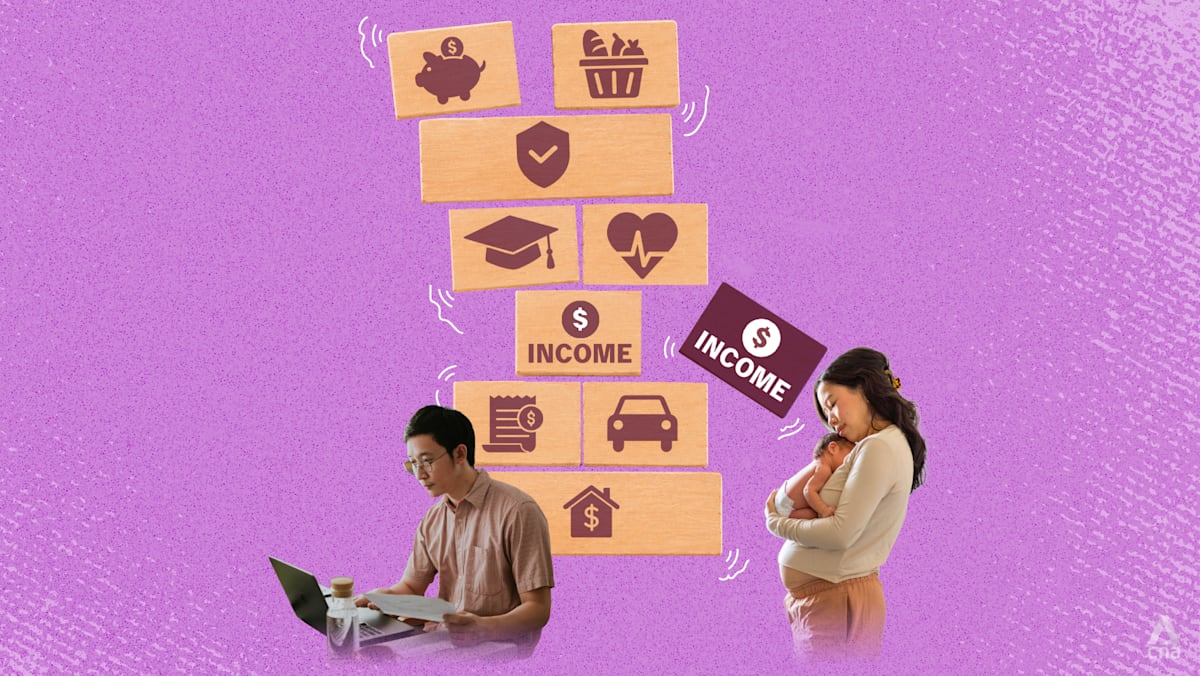
Couples who decide to live on a single income may forget to account for the need for savings and a buffer if things go south, as well as the hidden costs of putting work on hold. The financial considerations are the same for couples who choose to step back from work for caregiving or burnout, but the motivations may be different.
Imagine you're a family with two incomes. If one person loses their job, the other person's income can help the family survive until the first person finds a new job. But if you only have one income, the family is more likely to struggle if the one income earner loses their job. It's like having a safety net that helps you get back on your feet.
Analysis
The Hidden Costs of Single-Income Households
When couples decide to live on a single income, they often focus on whether their expenses can be covered by one salary. However, this is only half the story. The real challenge lies in ensuring that the household has a buffer in place to cover unexpected shocks, such as job loss, pay cuts, or medical emergencies. Without a second income, the household is exposed to these risks, and the consequences can be severe.
The Career Impact on the Partner Who Steps Back
While the decision to live on a single income may seem like a joint household choice, the career impact is often borne more heavily by one person. Every month without income is another month without Central Provident Fund (CPF) contributions to grow their retirement funds. It is another month where their salary isn't growing, their skills aren't being tested against a live job market, and it represents a widening gap in their resume that a future employer will likely ask about. Over the years, these costs will compound, and none of these show up on a household budget spreadsheet.
The Importance of Planning Ahead
Before making the switch to a single-income household, couples should ask how many months they can survive if the single income stops. They should also consider the cost of the break itself for the partner who steps back. This includes the loss of CPF contributions, the impact on their resume, and the potential for burnout. By planning ahead and considering these factors, couples can make an informed decision about whether living on a single income is right for them.
Key points
- Couples who decide to live on a single income may forget to account for the need for savings and a buffer if things go south.
- The financial considerations are the same for couples who choose to step back from work for caregiving or burnout, but the motivations may be different.
- The career impact is often borne more heavily by one person, including the loss of CPF contributions, the impact on their resume, and the potential for burnout.
- Couples should plan ahead and consider the cost of the break itself for the partner who steps back.
- By prioritizing savings and having a buffer in place, couples can reduce the risk of financial shocks and ensure a stable future.
If couples plan ahead and make smart financial decisions, they can successfully navigate the challenges of living on a single income. By prioritizing savings and having a buffer in place, they can reduce the risk of financial shocks and ensure a stable future.
If couples fail to plan ahead and don't have a buffer in place, they may struggle to survive on a single income. The loss of CPF contributions, the impact on their resume, and the potential for burnout can all have long-term consequences, making it difficult for the household to recover.