The killing of 11-year-old Liana and a wave of anger in France: why were warnings about the suspect ignored?
France faces growing anger after the killing of 11-year-old Liana, as police are accused of ignoring earlier warnings about the suspect.
Intelligence analysis by GPT-5.4 Mini
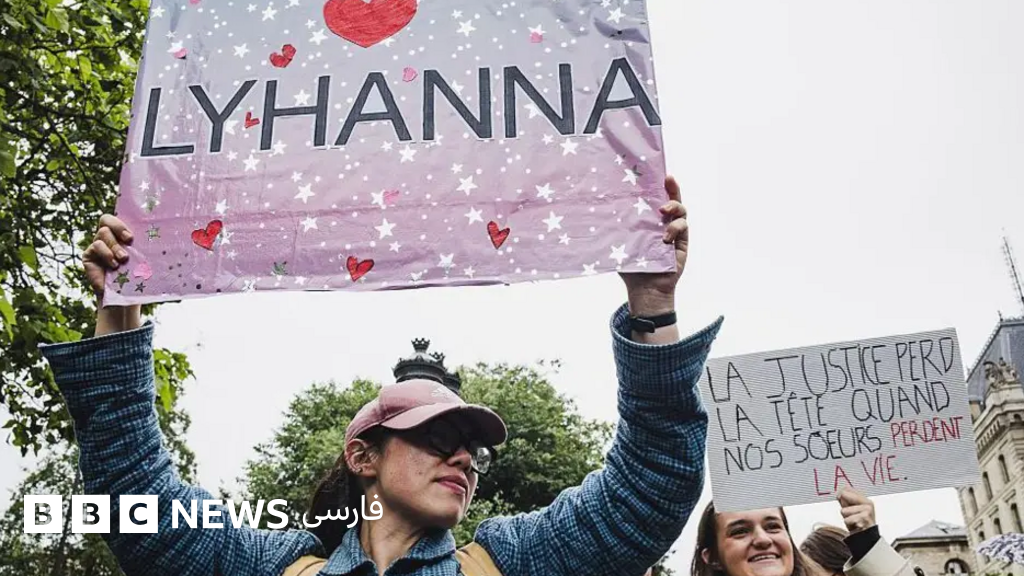
More than 60,000 people protested across France after Liana’s killing, furious that the suspect had already been reported over alleged sexual abuse and was never questioned. The case has turned into a wider fight over police and judicial failures, with ministers resisting calls to resign.
Liana’s death made many people in France very angry because police had already been warned about the man later suspected in the case. It is like a teacher being told a bully is dangerous, but nobody checks, and then something terrible happens.
Analysis
What happened
Liana, an 11-year-old girl, was found dead last week in a farm roughly 10 kilometers from the town where she had last been seen after school in southwestern France. Jerome Barla, 41, was arrested three days after she disappeared. He denies involvement in her killing, but he admitted driving her to the local pool.
Why people are angry
Public anger surged because Barla had already been reported to police in August by the mother of another 10-year-old girl, Rosa. That mother said he had repeatedly sexually assaulted her daughter, and medical evidence confirmed the child had been abused. Even so, Barla was never questioned in the nine months after that complaint was filed.
Many people in France believe that if police had at least contacted him, he would have known he was being watched, and that could have changed the outcome. The case has become a symbol of institutional failure rather than only an individual crime.
Political pressure
More than 60,000 people joined protests across France on Monday. Many called for Justice Minister Gerald Darmanin to resign. He has acknowledged that the Liana case exposed “shocking and unacceptable” failures in state institutions, but he has refused to step down.
Darmanin has argued that the problem is not a lack of new laws, money, or technology, but that allegations of rape and sexual abuse are not treated as a priority. He has also asked prosecutors to review about 70,000 pending child sexual abuse complaints.
The wider dispute
The Council of Magistracy says thousands of judges are being unfairly blamed. It also says the courts lack enough staff and funding, while Darmanin insists resources were not the key issue in this case. The dispute now sits at the intersection of public anger, judicial self-defense, and pressure for tougher child-protection rules.
Key points
- More than 60,000 people protested across France after Liana was killed.
- The suspect had previously been reported to police over alleged sexual abuse of another child.
- Police did not question him in the nine months after that complaint was filed.
- Justice Minister Gerald Darmanin has refused to resign despite public pressure.
- The government says it will review about 70,000 pending child sexual abuse complaints.
If the government follows through on reviewing the backlog of child sexual abuse complaints, more warning signs could be acted on sooner. Tighter child-protection laws now being discussed in parliament could also make it harder for repeat offenders to slip through the cracks.
If the case is used mainly for political blame, police, judges, and ministers may keep fighting over responsibility instead of fixing the system. The public could also lose more trust if thousands of pending complaints remain unresolved and warning signs continue to be missed.