The long boat to school gets longer as Iran war drives up the price of fuel
Soaring fuel prices due to the Iran war are impacting global education access, forcing many children to leave school and work to support their families.
Intelligence analysis by Llama
The Iran war is exacerbating existing poverty and educational disparities worldwide, with developing nations and vulnerable populations facing the most severe consequences.
Imagine you live in a small village on a lake, and you have to take a boat to school every day. But because of a war in a faraway country, the price of gasoline has gone up, making it harder for you to get to school. This is happening to many children around the world, and it's making it harder for them to learn and grow.
Analysis
The Ripple Effect of War on Education
The Iran war is having a devastating impact on global education, with soaring fuel prices forcing many children to leave school and work to support their families. This conflict is exacerbating existing poverty and educational disparities worldwide, with developing nations and vulnerable populations facing the most severe consequences.
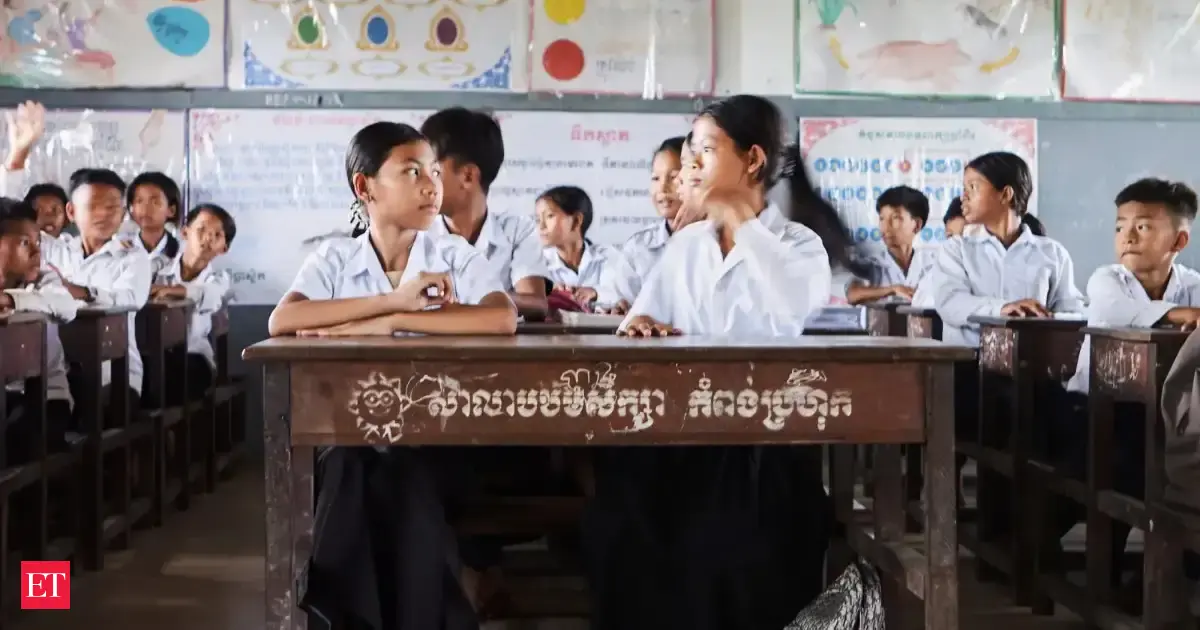
In Cambodia, the war is making it more expensive for children and teachers to get to school, and for governments to fund education as national budgets come under strain. Teachers at a school on Tonle Sap Lake say 10 students have drowned over the years, and if the war continues, it could push up to 23.4 million more children into poverty by the end of the year, according to a recent United Nations Children's Fund report.
The war's impact is less visible than outright school closures during COVID-19, but it is falling first and hardest on the poorest families. Vulnerable children are most at risk, with millions of children forced to make difficult choices between paying for food, fuel, rent, and electricity, or keeping every child in school.
In Vietnam, two sisters, Ly and Nhi, dropped out of school to work in a restaurant after their father lost his fishing job due to the war. The girls were exposed to sharp tools, hot surfaces, and heavy lifting, and for 13-year-old Nhi, it was also illegal due to child labor laws. However, with the intervention of a nonprofit organization, the two returned to school.
The war's impact has unfolded slowly but is devastating, with families reaching a financial breaking point and going into triage - keeping some children enrolled while pulling others out to work. The children not in school are far more vulnerable to exploitation, trafficking, and homelessness.
The Human Cost of War
The Iran war is not only affecting education but also has a human cost. The war is driving up costs of nearly every part of education, from getting students and teachers to school to stocking classrooms with pencils and chalk. It's more expensive for teachers and aid workers to reach remote communities, and governments are also grappling with rising food and energy bills, leaving less money for education.
In Cambodia, everything already costs more on Tonle Sap since supplies have to be brought in by boat. The war is making it harder for families to afford to travel to deeper waters where fish are more plentiful, and when money is tight, children like Sou Sreynich are forced to skip a day or two of school to work alongside their parents.
The Future of Education
The Iran war is a stark reminder of the importance of education in times of conflict. Education is not only a fundamental right but also a key to breaking the cycle of poverty. The war's impact on education is a wake-up call for governments and international organizations to prioritize education and provide support to vulnerable populations.
The future of education hangs in the balance, and it is up to us to ensure that every child has access to quality education, regardless of their background or circumstances.
Key points
- The Iran war is driving up fuel prices, making it harder for children to get to school and for governments to fund education.
- The war is exacerbating existing poverty and educational disparities worldwide, with developing nations and vulnerable populations facing the most severe consequences.
- Millions of children are at risk of being forced out of school or dropping out due to financial constraints.
- The war's impact on education is a wake-up call for governments and international organizations to prioritize education and provide support to vulnerable populations.
If the war ends soon, it could lead to a decrease in fuel prices, making it easier for children to get to school and for governments to fund education. This could also lead to an increase in economic opportunities for families, allowing them to afford to keep their children in school.
If the war continues, it could lead to a further increase in fuel prices, making it even harder for children to get to school and for governments to fund education. This could also lead to a rise in poverty and educational disparities, making it harder for vulnerable populations to access quality education.