Kidney transplants at low cost: A doctor who treats and fights to make kidney care affordable
Dr Georgi Abraham is working to make kidney transplants more accessible to patients with kidney failure by reducing costs and expanding the donor pool. He has already worked on reducing dialysis costs and is now focusing on targeted kidney screening through primary health…
Intelligence analysis by Llama
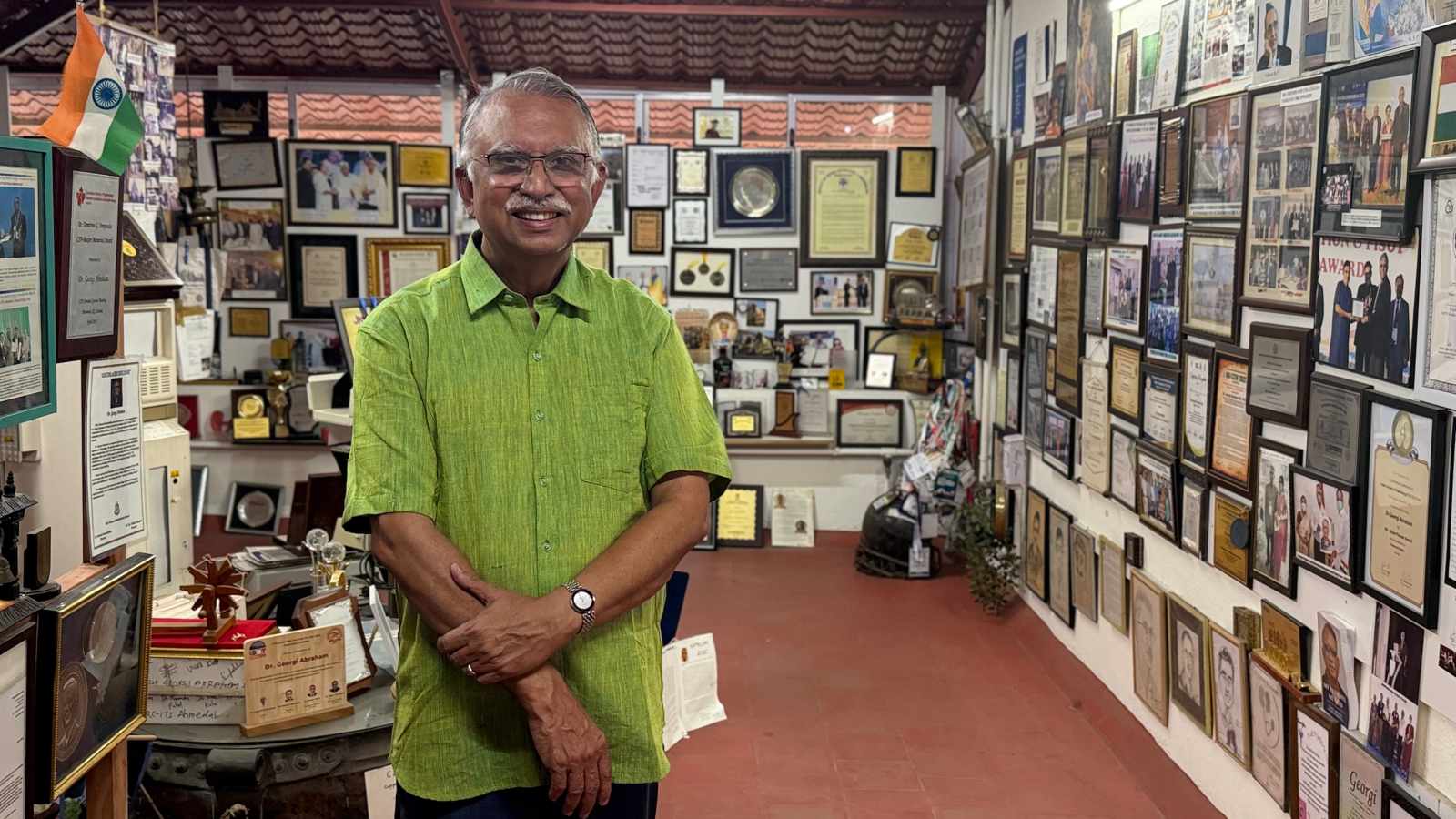
Dr Georgi Abraham is working to make kidney transplants more affordable and accessible to patients with kidney failure. He has already reduced dialysis costs and is now focusing on targeted kidney screening through primary health centers.
Imagine you have a special filter in your body that helps clean your blood. But sometimes, this filter can get damaged and stop working properly. That's when you need a kidney transplant to replace the damaged filter. Dr Georgi Abraham is working to make this process more affordable and accessible to people who need it.
Analysis
The Challenges of Kidney Transplants in India
Kidney transplants are a life-saving treatment for patients with kidney failure, but they are often out of reach for those who cannot afford them. In India, the cost of a kidney transplant can be prohibitively expensive, with some patients having to pay upwards of Rs 20,000 or Rs 25,000 a month for anti-rejection medication. This is a significant burden for many families, and it can be a major obstacle to accessing life-saving treatment.
Dr Georgi Abraham's Work
Dr Georgi Abraham is a veteran nephrologist who has been working to make kidney transplants more accessible to patients with kidney failure. He has already worked on reducing dialysis costs by pioneering peritoneal dialysis, a home-based treatment for kidney failure. He has also set up a private museum to build awareness around kidney health and help transplantees live longer, meaningful lives.
Targeted Kidney Screening
Dr Abraham is now focusing on targeted kidney screening through primary health centers. He believes that this is a crucial step in identifying chronic kidney disease among high-risk populations before irreversible damage sets in. His proposed screening model is strikingly simple: a creatinine blood test, a urine examination, and a blood-pressure measurement. Those who should be prioritized, he says, include people with diabetes, hypertension, or heart disease, those with a family history of kidney disease, people who have previously suffered acute kidney injury, those using alternative medicines, and people above 45.
The Urgency of the Situation
The urgency of the situation is considerable. A 2016 publication in The Lancet estimated the prevalence of chronic kidney disease in India at about 17.2 per cent. For a country of India's size, even a relatively small failure to detect disease early can translate into an enormous number of people eventually reaching advanced kidney failure. Dr Abraham believes that targeted kidney screening is a crucial step in addressing this issue and improving the lives of many patients and their families.
Key points
- Dr Georgi Abraham is working to make kidney transplants more affordable and accessible to patients with kidney failure.
- He has already worked on reducing dialysis costs and is now focusing on targeted kidney screening through primary health centers.
- Targeted kidney screening involves a simple blood test, urine examination, and blood-pressure measurement to identify chronic kidney disease among high-risk populations.
- Dr Abraham believes that this is a crucial step in addressing the issue of chronic kidney disease in India and improving the lives of many patients and their families.
If Dr Abraham's work is successful, it could lead to a significant reduction in the number of people who die from kidney failure. It could also improve the lives of many patients and their families by making kidney transplants more affordable and accessible.
If Dr Abraham's work is not successful, it could lead to a significant increase in the number of people who die from kidney failure. It could also lead to a worsening of the lives of many patients and their families by making kidney transplants even more inaccessible.