The match that sent Iran home: Was Algeria-Austria game a 'fix' or 'ruthless' football?
Algeria and Austria drew 3-3 in their final group stage match, eliminating Iran from the World Cup. Fans and pundits have accused the teams of colluding to achieve a result that would see both teams advance.
Intelligence analysis by Llama 3.3 70B
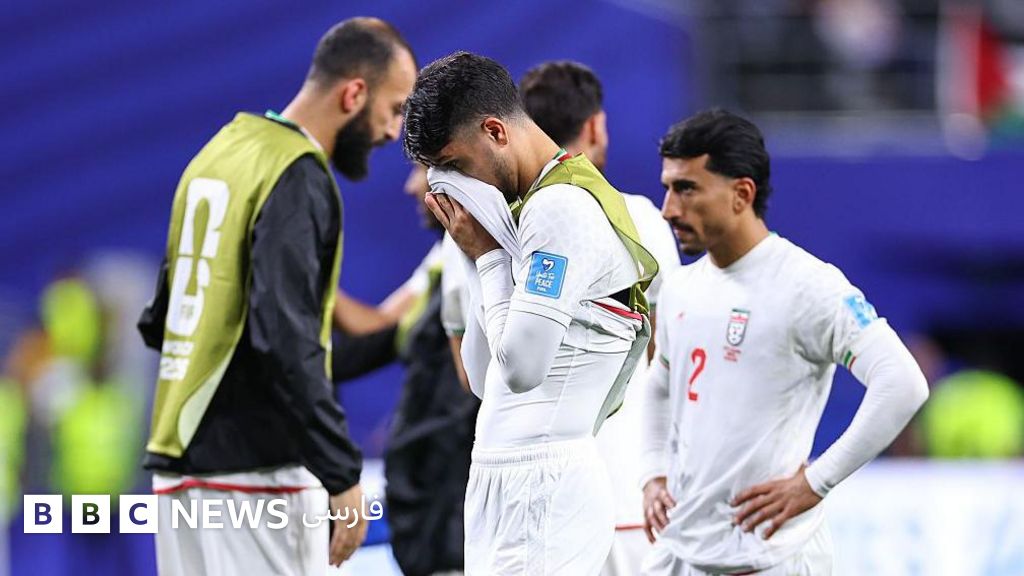
The match ended in a dramatic 3-3 draw, with some questioning whether the result was legitimate or if the teams had agreed to a certain outcome. Both teams have denied any wrongdoing.
Imagine you're playing a game with your friends, and you both want to win. But instead of trying your best, you agree to share the win so you both get what you want. That's kind of what people are accusing the Algeria and Austria football teams of doing in their recent match.
Analysis
The Resurgence of Conspiracy Theories
The Algeria-Austria match has reignited concerns about the integrity of football, with many questioning whether the result was legitimate or if the teams had colluded to achieve a certain outcome. The match ended in a dramatic 3-3 draw, with some pointing to the fact that a draw would see both teams advance to the next stage as evidence of a fix.
The controversy surrounding the match has sparked debate about the role of conspiracy theories in football. While some argue that the result was simply a coincidence, others believe that the teams may have had an incentive to agree to a certain outcome. The fact that the match ended in a draw, with both teams advancing to the next stage, has only added fuel to the fire.
The Historical Context
The Algeria-Austria match is not the first time that concerns have been raised about the integrity of football. In 1982, West Germany and Austria were accused of colluding to eliminate Algeria from the World Cup. The match, which became known as the 'Disgrace of Gijon', ended in a 1-0 win for West Germany, with both teams advancing to the next stage.
The controversy surrounding the match led to changes in the way that the World Cup is structured, with the introduction of simultaneous kick-offs in the final group stage matches. However, the Algeria-Austria match has raised questions about whether these measures are enough to prevent collusion between teams.
The Implications for the World Cup
The result of the Algeria-Austria match has significant implications for the World Cup, with Iran eliminated and Algeria and Austria advancing to the next stage. The controversy surrounding the match has also raised questions about the integrity of the tournament as a whole. While some argue that the result was simply a coincidence, others believe that the teams may have had an incentive to agree to a certain outcome.
The fact that the match ended in a draw, with both teams advancing to the next stage, has only added fuel to the fire. The controversy surrounding the match has sparked debate about the role of conspiracy theories in football, and whether the measures in place to prevent collusion between teams are enough. As the World Cup continues, the Algeria-Austria match will be remembered as a turning point in the tournament, with significant implications for the teams involved and the integrity of the game as a whole.
Key points
- Algeria and Austria drew 3-3 in their final group stage match
- The result eliminated Iran from the World Cup
- Fans and pundits have accused the teams of colluding to achieve a result that would see both teams advance
The controversy surrounding the match has sparked a necessary debate about the integrity of football, and may lead to changes in the way that the World Cup is structured to prevent collusion between teams. The match has also highlighted the importance of fair play and sportsmanship in the game.
The controversy surrounding the match has raised questions about the integrity of the World Cup, and may damage the reputation of the tournament. If the allegations of collusion are true, it could have significant implications for the teams involved and the future of the game.