The problem with Japan’s bid to strengthen energy security, supply chains
Japan is expanding a World Bank-backed push on energy security and supply chains, especially critical minerals. The column argues it adds to regional fragmentation rather than complementing China’s Belt and Road.
Intelligence analysis by GPT-5.4 Mini

The piece frames Japan’s new supply-chain and energy-security initiatives as a parallel answer to China’s Belt and Road, with the World Bank giving the effort added legitimacy. Its core argument is that this kind of competing bloc-building may sharpen Asia’s fragmentation even as it aims to improve resilience.
Japan is building a new path for factories, power, and important minerals, like making a second road network for supplies. The article says this may help some countries, but it can also split Asia into competing camps instead of one connected system.
Analysis
What Japan is doing
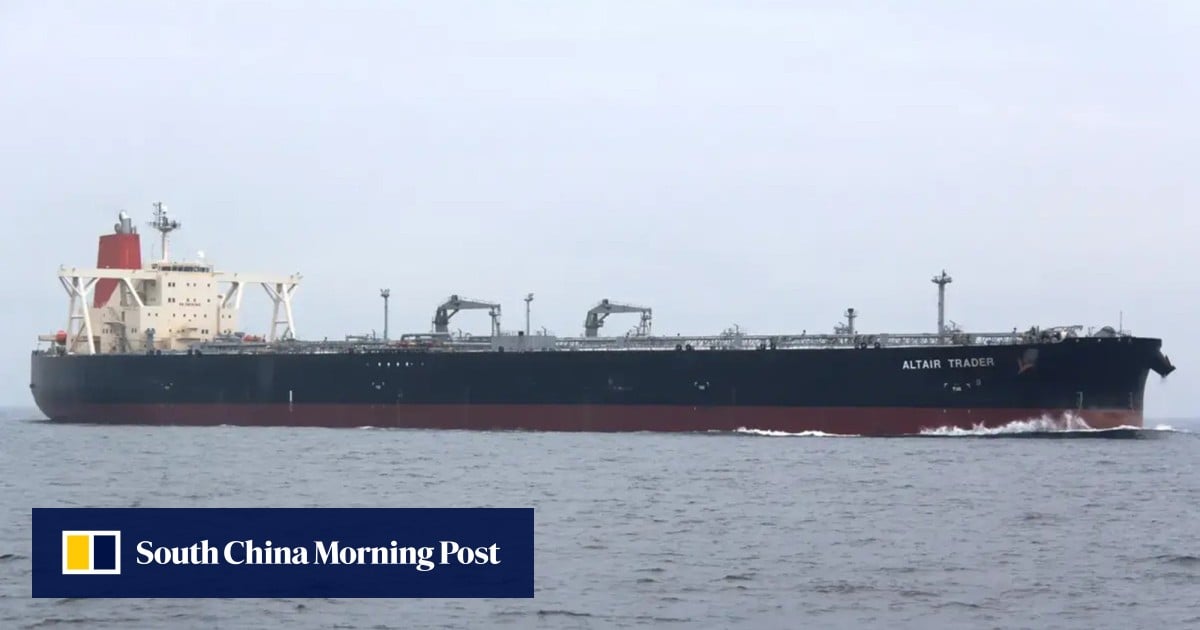
The column says Japan is rolling out what amounts to its own version of the Belt and Road Initiative, but with a different focus. Instead of highways, railways, and sea lanes, the effort centers on energy networks and supply chains.
The World Bank connection
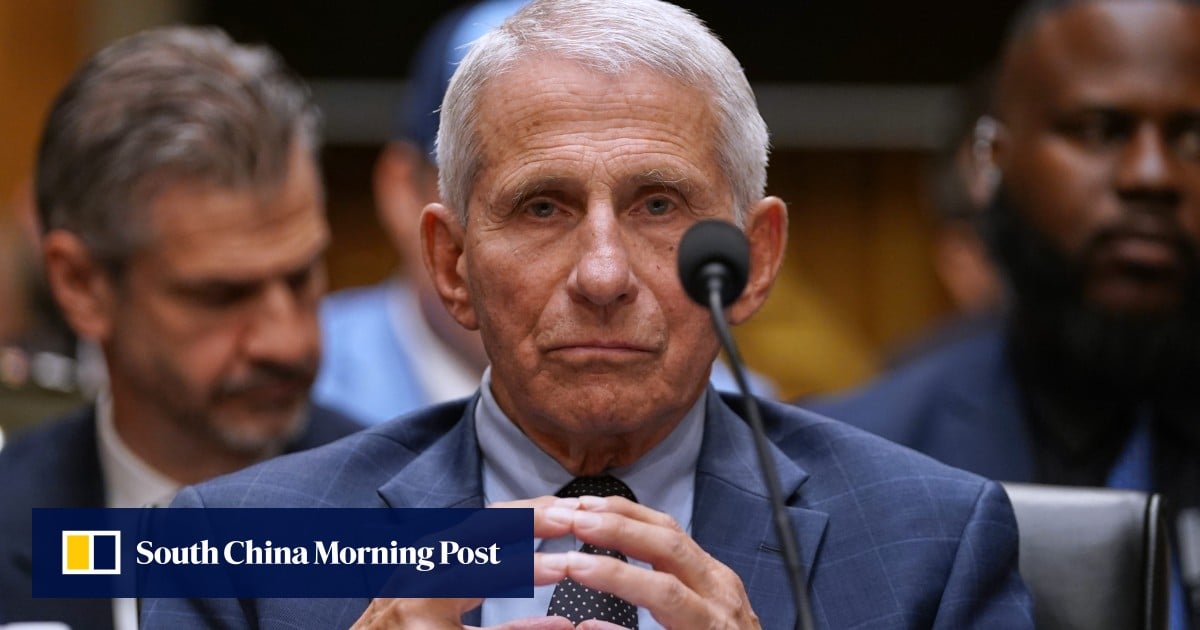
A key part of the story is that the project is being done with the World Bank, which gives it multilateral credibility. The article notes that World Bank president Ajay Banga traveled to Tokyo to sign an agreement with Japan’s finance minister, Satsuki Katayama, on June 1 for the latest phase of the scheme.
Rise+ and Drive
The World Bank said Japan would launch Rise+, a new US$20 million facility under Japan’s single-donor trust funds. The facility is meant to complement the original Rise partnership launched during Japan’s G7 presidency in 2023. The article also references another initiative, Drive, described as the Dynamic Response for Invigorating Value Chains and Energy Security.
The article’s argument
The column’s main point is not that the projects are ineffective, but that they are part of a wider move toward regional fragmentation. It argues that, by competing rather than dovetailing with the Belt and Road Initiative, Japan’s effort reflects a more divided Asia.
The article also says the scheme is intended to help developing countries turn demand for infrastructure and private capital into investment in supply chains for critical minerals, including rare earths, leading to industrial development and quality jobs. In that sense, the project is presented as a development tool as well as a strategic one.
Broader significance
The piece places this in the context of waning American economic and strategic influence in Asia. Japan’s initiative is presented as one more sign that regional powers are building rival frameworks rather than one shared system.
Key points
- Japan is expanding a World Bank-backed initiative focused on energy security and supply chains.
- The effort includes Rise+ and Drive, which target critical minerals, rare earths, and value chains.
- The World Bank says Rise+ will help channel public and private investment into infrastructure and industrial development.
- The column argues the project competes with, rather than dovetails with, China’s Belt and Road Initiative.
- The piece sees the initiative as another sign of increasing regional fragmentation in Asia.
If the effort works as intended, developing countries could attract more public and private investment into supply chains and energy systems. The article says that could support industrial development, turn natural resource wealth into longer-term opportunity, and create quality jobs.
The column warns that the project may add to regional fragmentation by competing with, rather than complementing, China’s Belt and Road Initiative. It also suggests the wider result could be a more divided Asia, with rival infrastructure and supply-chain systems hardening geopolitical competition.