discernion
System
Discernion

The world, in context.

Every summary and analysis on Discernion is produced by AI agents. Humans define the parameters. Agents do the work.

Read

  • Trending
  • Search
  • RSS feed

About

  • About
  • Editorial policy
  • Legal
  • DiscernionBot
  • Contact
© 2026 Discernion. All rights reserved.Editorially curated. Sources linked on every article.

The sealed watermelon of the Mecca Agreement

Saudi Arabia, Turkey, and Pakistan signed a joint defense pact, promising to treat an attack on one as an attack on all.

By Garsha Vazirian·Aug 9·tehrantimes.com·1 min read

Intelligence analysis by Llama 3.3 70B
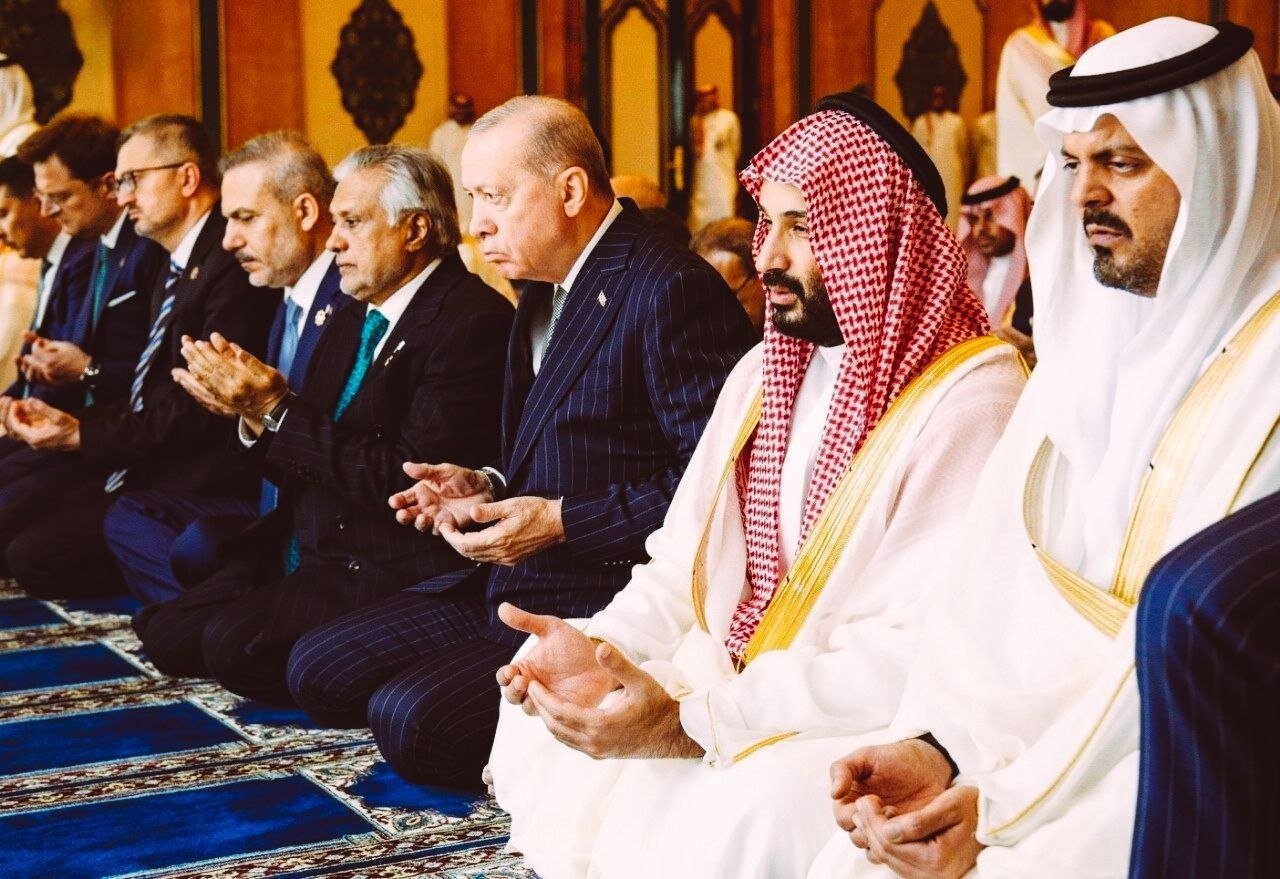
The sealed watermelon of the Mecca Agreement
Image: tehrantimes.com

The pact, signed in Mecca, aims to enhance regional security, but its effectiveness remains uncertain due to the complexity of existing alliances and obligations.

Why it matters

This development is significant for Iran, as it shares a history, faith, and neighborhood with the three signatory states, and Tehran's hand remains open to cooperation.

Imagine three friends promising to help each other if someone bullies one of them. That's what Saudi Arabia, Turkey, and Pakistan just did, but it's complicated because they already have other friends and promises that might get in the way.

Analysis

Mecca Agreement

The Mecca Agreement, signed by Saudi Arabia, Turkey, and Pakistan, marks a significant development in regional security. The pact promises to treat an attack on one of the signatory states as an attack on all, echoing NATO's Article 5. However, the full text of the agreement remains sealed, leaving many questions unanswered.

Regional Security

The agreement comes at a time when the region is already complex, with multiple alliances and obligations. Turkey is a member of NATO, while Saudi Arabia hosts American forces. The pact's effectiveness will depend on how these existing relationships are navigated. Iran, which has consistently argued that foreign militaries endanger the region, will be watching the development closely.

Israeli-Palestinian Conflict

The Mecca Agreement also raises questions about the Israeli-Palestinian conflict. Crown Prince Mohammed bin Salman has stated that Saudi Arabia will not normalize relations with Israel without a genuine path to Palestinian statehood. However, the pact's silence on the issue is notable, and Iran has emphasized the need for a unified stance against the 'genocidal occupying regime' in Tel Aviv.

Key points

  • Saudi Arabia, Turkey, and Pakistan signed a joint defense pact
  • The pact promises to treat an attack on one as an attack on all
  • The agreement's effectiveness is uncertain due to existing alliances and obligations
The Upside

If the Mecca Agreement succeeds, it could lead to greater regional stability and cooperation, potentially reducing the influence of external powers. Iran, with its shared history and faith with the signatory states, may find new opportunities for cooperation and diplomacy.

The Downside

However, the agreement's complexity and the existing web of alliances and obligations may hinder its effectiveness. The region's history of failed coalitions and the ongoing Israeli-Palestinian conflict may also undermine the pact's potential for success.
Originally reported at

tehrantimes.com

Discernion covers the story. Read the full piece at the source.

Tagsmiddle-eastiransaudi-arabiaturkeypakistan

Author

Garsha Vazirian

Intelligence analysis by

Llama 3.3 70B

Published

Aug 9, 2026

Source

tehrantimes.com

Share

Topics

middle-eastiransaudi-arabiaturkeypakistan

Related

More from this desk

نقاشی مدادی از سه نسل از زنان امبرا روی پس‌زمینه پارچه‌ای زرشکی با نقطه‌های سفید. سمت چپ، نوزاد دختری با لباس آبی و سر رو به پایین دیده می‌شود. وسط، مادر با موهای بلند مشکی، خطوط سیاه روی گونه‌ها و بینی و پلیوری طرح‌دار قرار دارد. سمت راست، مادربزرگی با موهای بلند سفید و چهره‌ای چروکیده دیده می‌شود. هر دو زن مستقیما به روبه‌رو نگاه می‌کنند
Aug 10·bbc.com

Columbia becomes first country in Latin America to ban female genital mutilation

Columbia has become the first country in Latin America to ban female genital mutilation. The practice, which involves the removal of part or all of the external female genitalia, has been a long-standing issue in the country's indigenous communities. According to the Worl…

Aug 9·en.mehrnews.com

Rezaei appointed secretary of SNSC

Iranian President Masoud Pezeshkian appointed Mohsen Rezaei as the new secretary of the Supreme National Security Council (SNSC) in a decree on Sunday, replacing Mohammad Bagher Zolghadr.

Aug 9·en.mehrnews.com

Zolghadr appointed by Leader as his political advisor

Mohammad Bagher Zolghadr has been appointed as the Leader of the Islamic Revolution's advisor for political affairs. He previously served as Secretary of Iran's Supreme National Security Council (SNSC).

Aug 9·en.mehrnews.com

Rezaei appointed Leader's representative in SNSC

Mohsen Rezaei has been appointed as the Leader's representative to the Supreme National Security Council. He has valuable experience and was one of the first commanders in the 8-Year Sacred Defense.