The second of two red panda cubs born at a California zoo dies
Both red panda cubs born at the Santa Barbara Zoo in early July have died, the zoo said, with the second cub passing away over the weekend after weeks of intensive care.
Intelligence analysis by Llama
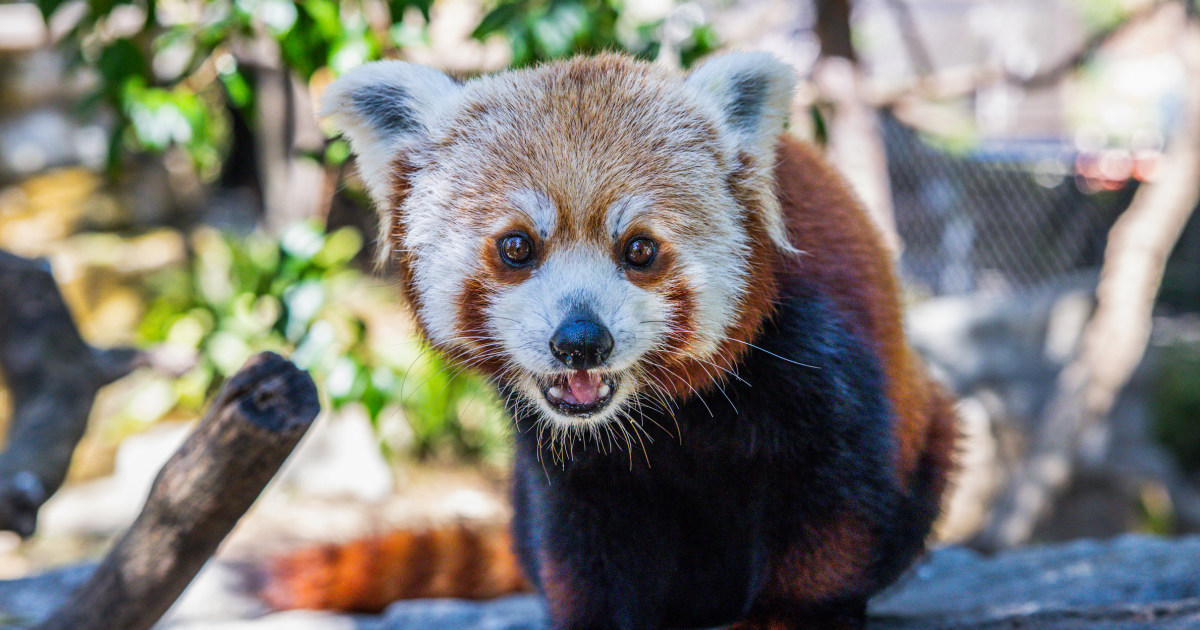
Santa Barbara Zoo confirms that both red panda cubs born to Ruby and Raj on July 2 have died, one found on July 21 and the second over the weekend. The zoo noted a roughly 40% cub mortality rate for the endangered species.
Two baby red pandas were born at a zoo in California, but sadly both of them got sick and passed away. Red pandas are a rare, endangered type of animal, and zoo workers were watching them very carefully, but sometimes even with the best care, baby animals don't make it.
Analysis
A Double Loss at the Santa Barbara Zoo
The Santa Barbara Zoo announced on Monday that the second of two red panda cubs born on July 2 has died, just days after the first cub was found dead on July 21. The pair were the first offspring of red pandas Ruby and Raj, and the zoo had been providing round-the-clock veterinary care to the surviving cub since removing it from the nest on July 19. Staff had placed the animal in a temperature-controlled incubator with tube and bottle feedings, antibiotics, and continuous monitoring, but the cub's condition remained critical. "While the cause of death remains under investigation, this loss is heartbreaking for everyone who cared for these cubs and for all who have followed their journey," the zoo said in its statement.
A Species Already on the Edge
The deaths come against a sobering backdrop for the species as a whole. Red pandas are classified as endangered by the World Wildlife Fund, with an estimated fewer than 10,000 mature individuals left in the wild. Habitat loss across the eastern Himalayas and accidental trapping threaten the population, according to the conservation group. The zoo itself noted that red panda cubs die at a rate of around 40%, a figure that frames the Santa Barbara losses as tragic but not statistically unusual. Still, the emotional weight is compounded by the fact that the cubs were closely monitored by zoo staff and followed by the public from birth, and the next breeding opportunity for Ruby and Raj will not come until next year because red panda reproduction is seasonal.
The Broader Role of U.S. Zoos in Conservation
Accredited American zoos like Santa Barbara play a central role in Species Survival Plans and managed breeding programs for endangered animals, and every successful birth is treated as a meaningful contribution to genetic diversity. When cubs die, even within expected mortality ranges, it narrows the window for that pair to contribute to the population and forces coordinators to reassess. The Santa Barbara case is a reminder that conservation work is incremental and that public attention to individual animals can both raise awareness and amplify grief when outcomes go badly. The zoo has not yet released results from its investigation into the second cub's death, and the cause may offer lessons for future breeding efforts.
Key points
- Both red panda cubs born at the Santa Barbara Zoo on July 2 have died, the zoo confirmed Monday.
- The first cub was found dead on July 21; the second died over the weekend after weeks of intensive care.
- Red panda cub mortality is approximately 40%, according to the zoo.
- Ruby and Raj will not have another breeding opportunity until next year due to seasonal reproduction.
- Red pandas are classified as endangered, with fewer than 10,000 mature individuals estimated remaining in the wild.
With both cubs deceased and red panda reproduction limited to a seasonal window, Ruby and Raj cannot contribute to the species' captive population until next year at the earliest. Each failed breeding cycle narrows the genetic pool available to conservation programs already contending with fewer than 10,000 mature red pandas in the wild.