'They destroyed the future': Palestinian anger at rise in Israeli demolitions in East Jerusalem
Demolitions are speeding up in East Jerusalem's Silwan area, deepening Palestinian fears of displacement and loss of homes.
Intelligence analysis by GPT-5.4 Mini
BBC reports a sharp rise in demolitions in al-Bustan, Silwan, where Palestinian families say Israeli court-backed orders are clearing homes for a future park project. The story links the local demolitions to wider fears over eviction, settlement expansion, and the shrinking prospects of a Palestinian capital in East Jerusalem.
A neighborhood near Jerusalem's Old City is seeing houses knocked down, and families say their lives are being turned upside down. It is like someone tearing up the pieces of a shared game board while people are still trying to play on it.
Analysis
What is happening
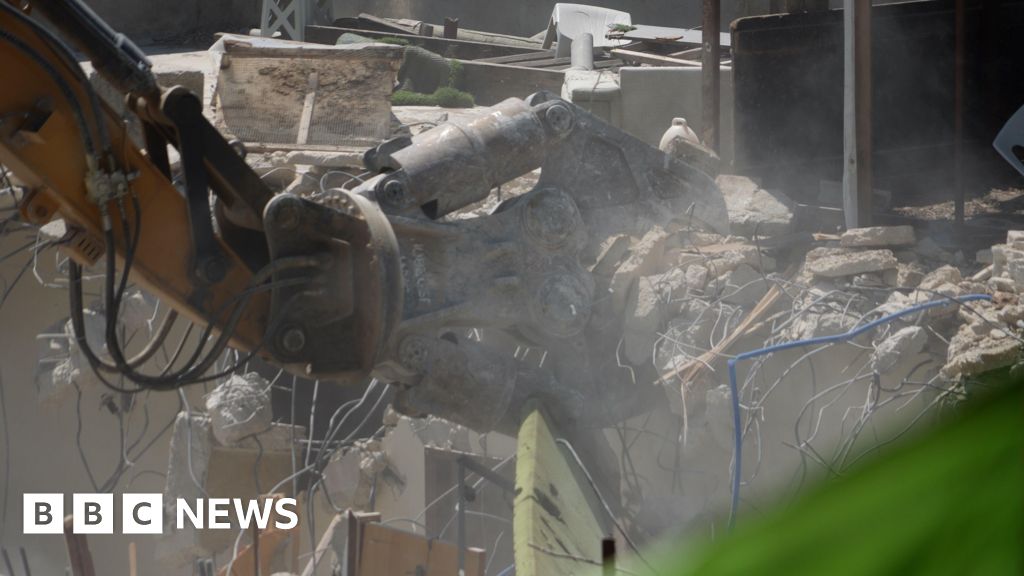
In the al-Bustan area of Silwan, just below Jerusalem's Old City, Israeli excavators are tearing down Palestinian homes. The article says 59 properties have been destroyed there since late 2023, and that demolition orders have accelerated recently.
Why residents are alarmed
Families say the demolitions erase years of work and push them toward displacement. One resident, Fayez Awad, says there is no future after losing the home he and his family built. Another local activist says more houses are expected to be destroyed in the coming months, and that some families are demolishing their own homes to avoid fines and costs.
The wider dispute
The story places the demolitions inside a much larger political fight over Jerusalem. Israel captured east Jerusalem in 1967 and later annexed it, a move most countries do not recognize. Palestinians want east Jerusalem as the capital of a future independent state, while the current Israeli government has said it will not support Palestinian statehood.
Planning, permits, and eviction cases
Israel's Jerusalem Municipality says it is acting for the benefit of all residents and wants to build a park in an area short on open public space. Palestinians argue that building permits for them are almost impossible to get. The article cites the Israeli rights group Bimkom saying only 7% of new housing approved in Jerusalem in 2025 was for Palestinians, who make up about 40% of the city's population.
The piece also notes that about 200 Palestinian households, or roughly 900 people, face eviction cases in Israeli courts, many linked to settler claims. A separate area nearby, Batn al-Hawa, is also affected by property takeovers based on pre-1948 Jewish ownership laws.
Bigger stakes
Because Silwan sits next to the al-Aqsa mosque compound, also known as Temple Mount, the area is politically and religiously sensitive. The article suggests the demolitions are part of a broader push that is steadily changing the map on the ground.
Key points
- Israeli demolitions in al-Bustan, Silwan, have risen sharply since late 2023.
- The article says 59 properties have already been destroyed in the area.
- Palestinians say permits are extremely hard to get, making legal housing nearly impossible.
- The Jerusalem Municipality says it wants a park and claims to act for all residents.
- The story links local demolitions to broader fights over Jerusalem, settlements, and Palestinian statehood.
If the municipality and residents reached a workable planning deal, some homes could be preserved and the area might gain more public space without forcing more families out. A negotiated outcome could also reduce legal fights and give residents more stability.
If demolitions continue at the current pace, more families may lose their homes or be pushed to leave voluntarily to avoid fines. That could deepen resentment, intensify legal battles, and further damage any chance of compromise over Jerusalem's future.