Thousands flee as Netanyahu orders Israeli bombing of southern Beirut
Netanyahu ordered strikes on Beirut’s southern suburbs, sending thousands fleeing and deepening fears the Lebanon ceasefire is collapsing.
Intelligence analysis by GPT-5.4 Mini
Israel’s order to bomb Beirut’s southern suburbs marks a major escalation in the Lebanon war and has already triggered fresh displacement. The move also derailed Iran-US talks, while European leaders condemned the expansion and called for restraint.
A big fight between Israel and Hezbollah has gotten worse again. Israel said it would bomb a part of Beirut, and many families hurried out of their homes because they were afraid.
Think of a game where two kids agree to stop throwing balls, but then one kid starts throwing again. The other side gets angry, and the teacher who was trying to calm things down has a harder job.
The story matters because it could make the fighting spread and hurt more people. It also makes peace talks harder, like trying to have a calm meeting while a fire alarm is still ringing.
Analysis
Escalation around Beirut
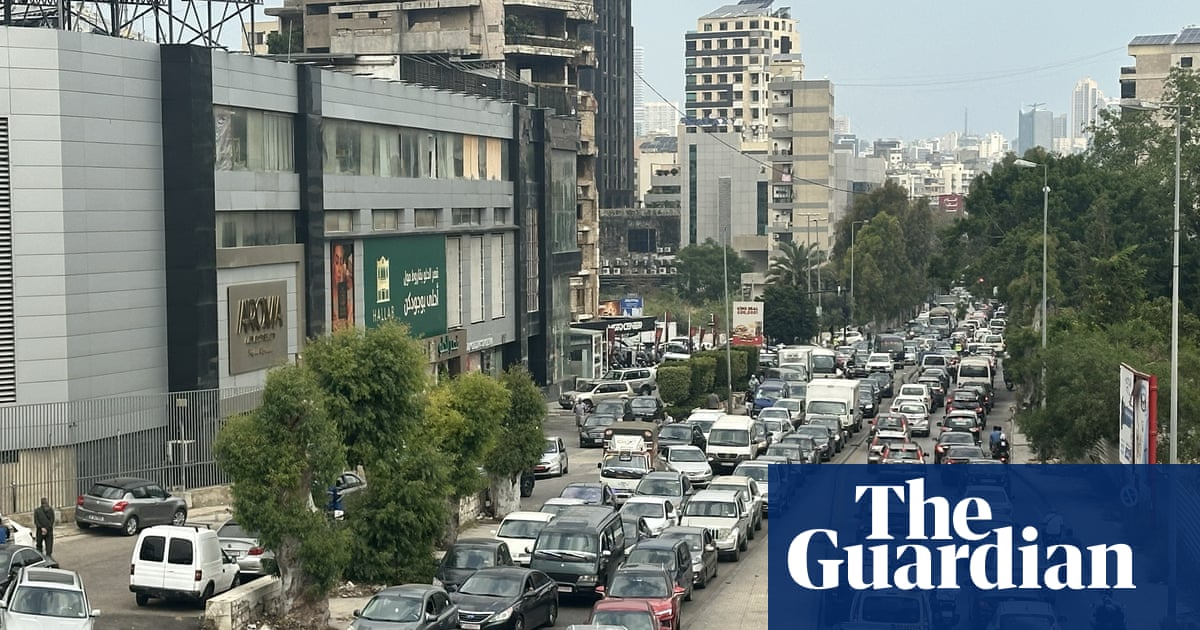
Benjamin Netanyahu ordered the Israeli military to strike what Israel called “terrorist targets” in Beirut’s southern suburbs, saying Hezbollah had committed “repeated and ongoing violations of the ceasefire.” The order triggered a rapid new wave of flight from Dahiyeh, where roads out of the area filled with cars as residents tried to leave.
Diplomacy under pressure
The article says Iran called off further negotiations after the threatened attacks, arguing that a Lebanon ceasefire must come before any broader truce with the US. Iranian officials also warned that if Israel attacked Beirut, people in northern Israel should leave if they “don’t want to be harmed.”
A wider and more destructive conflict
The piece says fighting has continued despite the 17 April ceasefire and that Israeli strikes have killed more than 800 people in Lebanon since then. It also reports more than a million displaced people across southern Lebanon and the Bekaa valley. On Sunday, Israeli forces captured Beaufort castle, pushed deeper into Lebanon than they have since 2000, and bombarded Tyre, damaging Jabal Amel hospital. European leaders, including Emmanuel Macron and ministers from the UK and Germany, condemned the expansion and urged respect for the ceasefire. The reporting also says Washington had been lobbied for approval for expanded strikes, even as private Israeli discussions acknowledged US limits on freedom of action.
Key points
- Netanyahu ordered strikes on Beirut’s southern suburbs over what Israel called ceasefire violations by Hezbollah.
- Thousands of residents fled Dahiyeh as cars jammed roads out of the area.
- Iran suspended further talks with the US after the threatened attack.
- European leaders, including Macron, condemned Israel’s expansion in Lebanon and called for restraint.
- The article says more than 800 people in Lebanon have been killed since the ceasefire was announced.
If the ceasefire is respected, the article suggests there is still a path to reduce strikes on Beirut and limit further displacement. The UN Security Council meeting requested by France could also create pressure to pull the fighting back from a wider escalation.
If the bombing goes ahead, the article points to more civilian flight, more damage in Lebanon, and a deeper Israeli push into the country. It could also fully collapse the Iran-US talks and widen the risk of retaliatory strikes on both sides.