Three accounts of one phone call: What did Donald Trump tell Netanyahu?
Trump says he stopped a major Israeli strike on Beirut; Netanyahu says he warned that attacks would continue. Axios reports Trump used unusually harsh language in the call.
Intelligence analysis by GPT-5.4 Mini
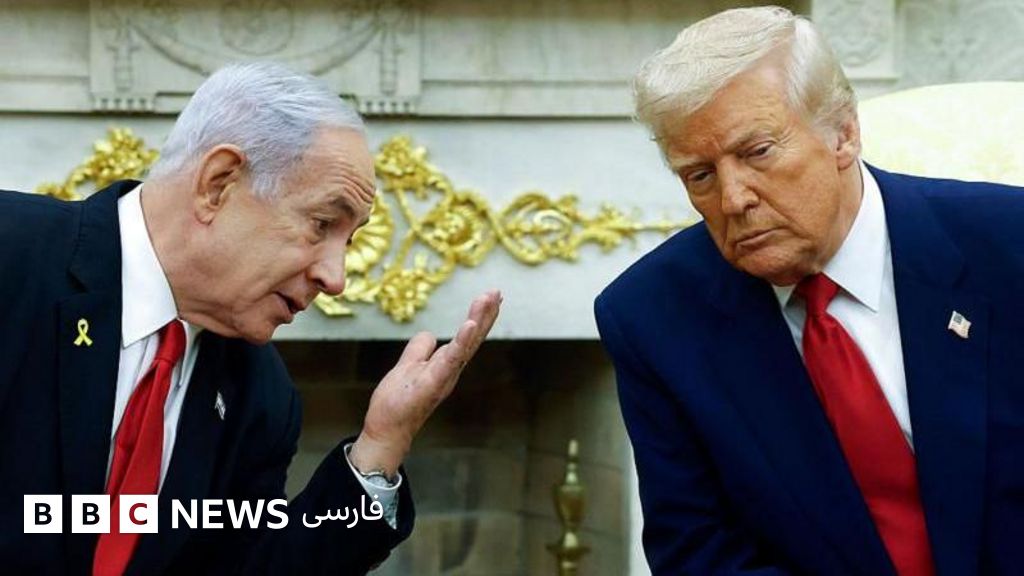
The story centers on a phone call between Donald Trump and Benjamin Netanyahu that, according to Trump, helped prevent a planned Israeli strike on Beirut. But official and unofficial versions of the call differ sharply, with Axios describing Trump as angry and critical of Israel's escalation.
Three people told three different versions of the same phone call. Trump said he stopped a big attack, Netanyahu said Israel would keep threatening Hezbollah, and Axios said Trump got very angry. It is like three friends describing one soccer game very differently.
Analysis
What Trump said
Trump described his call with Netanyahu as highly productive. In his account, he asked the Israeli prime minister not to carry out a major attack on Beirut, and Netanyahu allegedly ordered his forces back. Trump also said he contacted representatives of Hezbollah leadership and that both sides agreed not to fire at each other.
What Netanyahu said
Netanyahu presented a very different version. In a post on X after the call, he said Israel's position had not changed. He wrote that if Hezbollah did not stop attacking Israeli cities and civilians, Israel would strike terrorist targets in Beirut. He also said operations in southern Lebanon would continue as planned.
What Axios reported
Axios, citing two U.S. officials and another informed source, said Trump was furious about Israel's escalation in Lebanon. According to those sources, he allegedly used unusually blunt language, accused Netanyahu of ingratitude, and complained about the civilian toll in Lebanon. One U.S. official said Trump objected to the way Israel was flattening entire buildings to target a Hezbollah commander.
The wider context
The call came after repeated Iranian warnings and threats of retaliation if Israel attacked the Dahieh area in Beirut's suburbs. The article also says Iran had warned it might withdraw from diplomacy with the U.S., and Tasnim reported that message exchange through intermediaries had stopped. After the ceasefire announcement involving Hezbollah and Israel, Trump separately spoke of rapid progress in talks with Iran.
Key points
- Trump said he urged Netanyahu not to launch a major attack on Beirut and claimed the Israeli side pulled back.
- Netanyahu said Israel's position had not changed and warned that Beirut targets would be hit if Hezbollah kept attacking.
- Axios reported that Trump spoke harshly, criticized Israel's escalation in Lebanon, and raised concerns about civilian deaths.
- The call took place amid Iranian warnings of retaliation and threats to leave diplomacy with the United States.
- Trump later said there was rapid progress in talks with Iran after the new Hezbollah-Israel ceasefire.
If Trump's intervention really helped restrain an Israeli strike, the call could lower the chance of a wider round of fighting around Beirut. That could also leave more room for diplomacy, including the indirect talks with Iran that the article says were moving quickly.
If the conflicting accounts reflect a fragile situation rather than a real de-escalation, the ceasefire could break down quickly. The article also shows that Iran, Israel, and Hezbollah were still trading threats, so another strike or retaliation could revive pressure on Lebanon and disrupt talks with Washington.