Three decades on, Nana Patekar’s dialogues still feel uncomfortably relevant
Nana Patekar's dialogues from films like Krantiveer, Yeshwant, and Ab Tak Chhappan remain relevant 30 years later, reflecting India's social and political realities.
Intelligence analysis by Qwen 2.5 (3B)
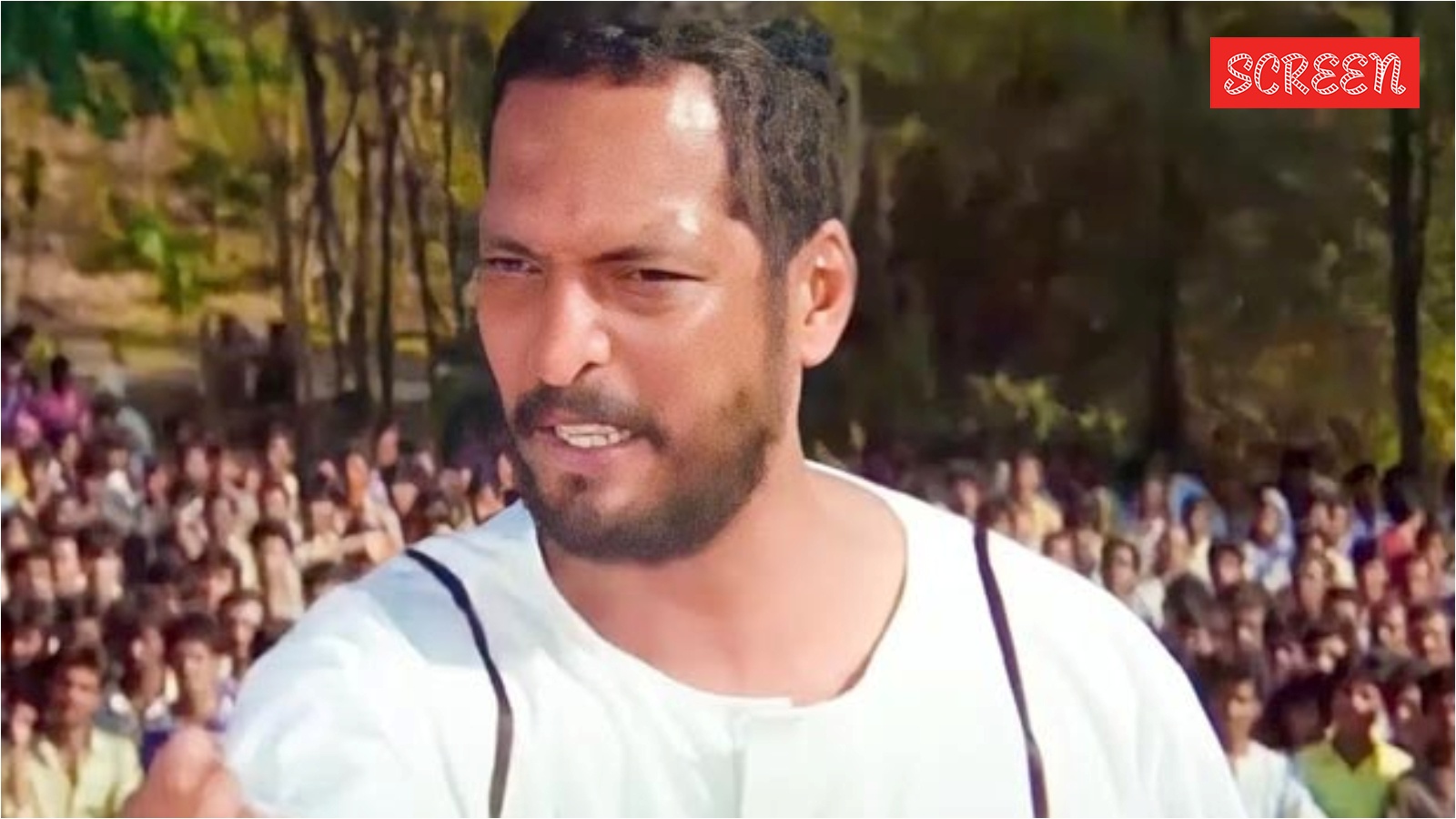
Nana Patekar's dialogues from classic Indian films like Krantiveer, Yeshwant, and Ab Tak Chhappan continue to resonate 30 years after their release, addressing India's social and political issues.
Nana Patekar's dialogues from old Indian movies are still important today because they talk about things that are still happening in India, like people not understanding each other and the system not working well.
Analysis
The Scene in Krantiveer
The scene where Nana Patekar's character, Pratap, smashes his own finger with a stone and then does the same to a Muslim man's finger, symbolizing communal harmony, has had a lasting impact on Indian society. This scene, which was difficult for children to understand in 1994, continues to resonate today, highlighting the tension between communal divisions and the need for unity.
The Monologue in Krantiveer
In the climax of Krantiveer, Pratap's monologue about a society that turns up to watch a sacrifice but does not understand it, and the warning about the quiet, daily habit of looking away, has become a commentary on the current state of Indian society. This line, which was relevant in 1994, remains relevant today, as it speaks to the current state of affairs in India.
The Line in Yeshwant
The line from Yeshwant, where Nana Patekar's character, Sadhu Agashe, says, 'Ek machhar aadmi ko hijda bana deta hai' (A mosquito can be killed, but the holes in the system cannot be filled), has become a popular phrase in India. This line reflects the systemic issues in India, such as corruption and institutional helplessness.
The Line in Ab Tak Chhappan
In Ab Tak Chhappan, Nana Patekar's character, Sadhu Agashe, says, 'Hum sab system ka hissa hain' (We are all part of the system), emphasizing the idea that each individual, from the decision-maker to the one who pays the bribe, is part of the system. This line has become a commentary on the corruption and dishonesty in India.
Key points
- Nana Patekar's dialogues from old Indian movies are still relevant today
- The dialogues address issues like communal harmony and systemic corruption
- The dialogues have become popular phrases in India
- The dialogues can inspire people to speak up and make a difference
- The dialogues also show how the system can be corrupt and how people often look away from problems
The dialogues can inspire people to speak up and make a difference, even if they are often quiet and look away from problems.
The dialogues also show how the system can be corrupt and how people often look away from problems, which can make it hard to change things.