Thunderstorms disrupt Gatwick and Heathrow as hundreds of flights delayed or cancelled
Thunderstorms have caused severe delays to hundreds of flights at Heathrow and Gatwick airports. Passengers report being stuck on grounded planes in sweltering conditions.
Intelligence analysis by Llama 3.3 70B
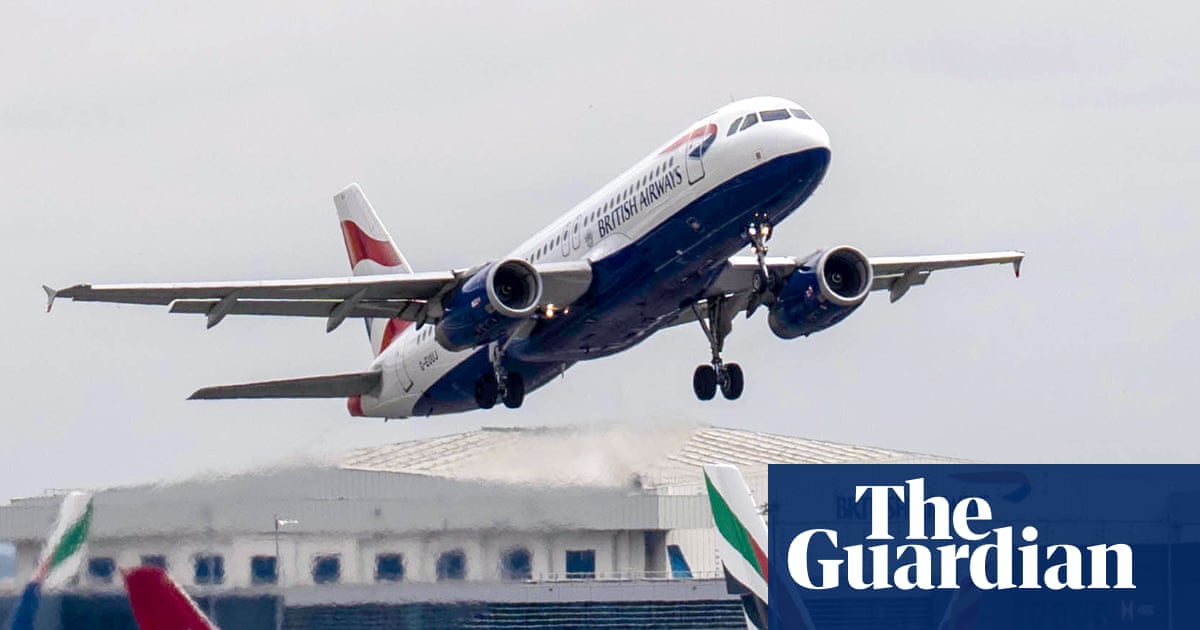
Severe weather has disrupted air travel across Europe, with hundreds of flights delayed or cancelled at major UK airports.
Imagine you're on a plane, ready to take off, but the weather is so bad that the plane can't fly. That's what's happening at some airports in the UK, where thunderstorms are causing flights to be delayed or cancelled. It's like a big traffic jam in the sky, and it's making it hard for people to get where they need to go.
Analysis
Impact on Air Travel
The thunderstorms have caused significant disruptions to air travel, with over 600 flights delayed or cancelled at Heathrow and Gatwick airports. This has resulted in passengers being stuck on grounded planes for hours, with some reporting sweltering conditions. The UK's air traffic control service, Nats, has stated that disruption is expected to continue throughout the day due to forecasted severe weather.
The disruptions have not only affected passengers but also the airline industry as a whole. British Airways and easyJet have both reported significant delays and cancellations, with some flights being delayed for over six hours. The airlines have apologized for the inconvenience caused and are working to minimize the impact of the weather disruption on their customers.
Response from Airlines
The airlines have responded to the disruptions by implementing measures to minimize the impact on their customers. British Airways has stated that it is working hard to help those impacted get their journeys back on track, while easyJet has pre-emptively cancelled some flights to and from Gatwick in advance. The airlines have also offered hotel accommodation and meals to affected passengers.
Broader Implications
The disruptions have broader implications for the airline industry and the economy as a whole. The severe weather events highlight the need for effective air traffic control and communication during such events. The disruptions also raise questions about the preparedness of airlines and airports to handle severe weather events, and the need for more robust systems to be in place to minimize the impact on passengers.
Future Preparations
In light of the disruptions, it is essential for airlines and airports to review their procedures and prepare for future severe weather events. This includes implementing more effective communication systems, having contingency plans in place, and ensuring that passengers are kept informed about any disruptions. By doing so, the airline industry can minimize the impact of severe weather events and ensure that passengers are able to travel safely and efficiently.
Key points
- Thunderstorms have caused severe delays to hundreds of flights at Heathrow and Gatwick airports
- Passengers report being stuck on grounded planes in sweltering conditions
- Airlines are working to minimize the impact of the disruptions on their customers
The airlines and airports are working hard to minimize the impact of the disruptions, and are offering support to affected passengers. With more effective communication and contingency planning, the airline industry can reduce the impact of severe weather events and ensure that passengers can travel safely and efficiently.
The disruptions could have significant economic implications, with the airline industry and related businesses potentially losing revenue due to cancelled flights. Additionally, the disruptions could have a lasting impact on passenger confidence, making it harder for airlines to recover from the effects of the severe weather events.