Thursday briefing: What would it take for streets to be safe for all?
The Guardian says violent crime is falling, but hate crime and fear for minorities are rising across Britain.
Intelligence analysis by GPT-5.4 Mini
This newsletter argues that violence in Belfast and other flashpoints has been exploited by the far right, while ordinary street-level hostility toward minorities has been normalised over years. It pairs that warning with practical bystander steps people can use to make public spaces safer.
The article says streets can feel less safe when mean words and blame spread, even if serious crime is going down. It is like a schoolyard where bullies get bolder when nobody stands up, so the piece suggests simple ways people can help each other feel safer.
Analysis
The central argument
The newsletter frames the question of street safety as bigger than policing alone. It contrasts a long-term decline in violent crime with a sharp rise in hate crimes, especially racial and religious offences, and argues that fear is being driven by both recent flashpoints and years of normalised hostility.
Belfast as a flashpoint
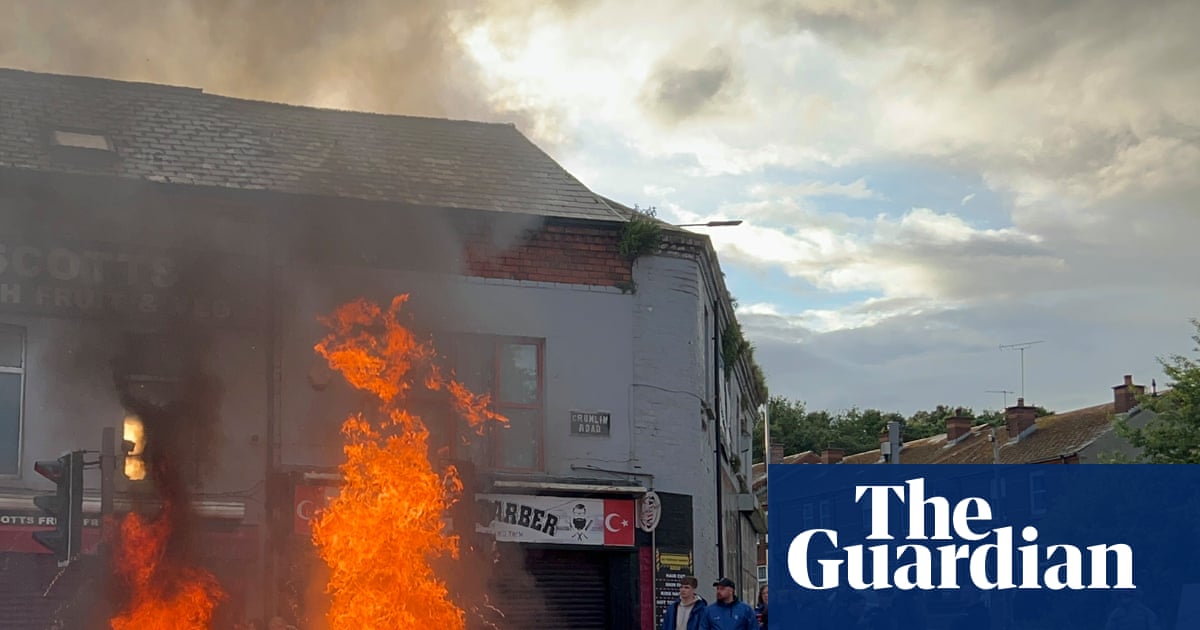
The immediate trigger is the stabbing of Stephen Ogilvie in Belfast and the violent disorder that followed after footage of the attack spread online. The article says far-right figures and politicians seized on the incident, amplifying fear and helping turn local shock into attacks on roads, vehicles, homes, and shops. It also links those events to earlier violence and to the way grief can be exploited for political gain.
A longer pattern
Aamna Mohdin, quoted in the piece, traces the atmosphere back to Brexit and the way public language around minority communities shifted. The article says that rhetoric does not stay in Westminster: it moves into workplaces, schools, buses, and public spaces, where it can turn into slurs, exclusion, and collective blame. The result, it argues, is that Black, Muslim, Jewish, LGBTQ+ and disabled people are making more calculations about where to go, what to wear, and how visible to be.
What the piece recommends
The newsletter ends with practical solidarity advice. It highlights the Glasgow-based Refuweegee campaign and bystander-intervention ideas: direct intervention if safe, delegation if not, or distraction and simple support for the person being targeted. The overall message is that public safety is partly social: people can help create it by refusing isolation and showing visible solidarity.
Key points
- The newsletter says violent crime is declining overall, but hate crime is rising steeply, especially racist and religious offences.
- It focuses on Belfast, where a stabbing, online footage, and far-right mobilisation helped trigger disorder and attacks on homes and businesses.
- The piece argues that political rhetoric and media language have helped normalise hostility toward minority communities over time.
- Visible minorities are described as changing daily behaviour, including where they go, what they wear, and how their children travel.
- The article closes with practical bystander advice and a community solidarity campaign aimed at making public spaces feel safer.
If more people use the bystander tactics described in the article, harassment may be interrupted sooner and victims may feel less alone. The piece also suggests that broad coalitions across faiths, races, and backgrounds can still push back against division.
If far-right actors keep turning attacks into fuel for more hostility, fear can deepen and push minorities to avoid more public spaces. The article also warns that divide-and-rule politics can weaken collective action and make it harder to resist hate.