Tour de France: Night-time Doping Control Also for German Cycling Team
All eight riders of the German cycling team Red Bull-Bora-hansgrohe underwent controversial night-time doping controls during the Tour de France, following similar checks on other top competitors.
Intelligence analysis by Gemini 2.5 Flash
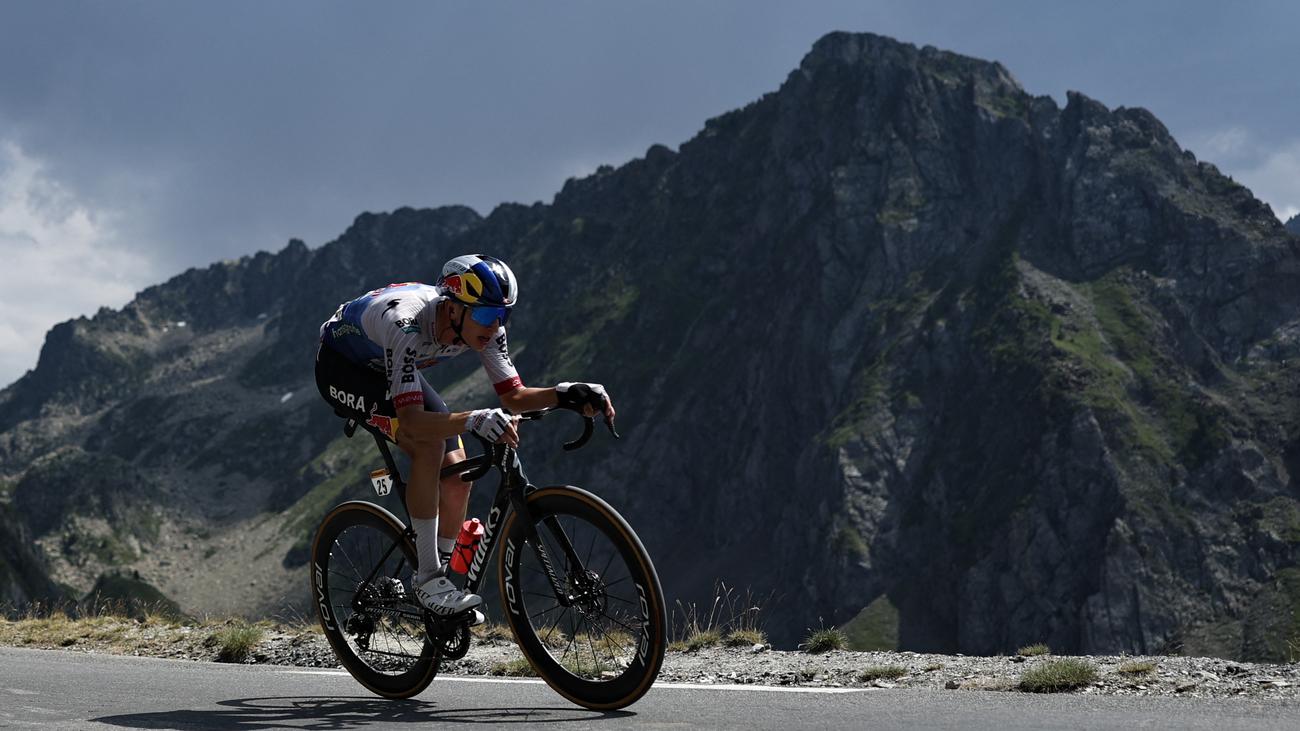
The Tour de France continues to see night-time doping controls, with the German team Red Bull-Bora-hansgrohe being the latest to be subjected to them. While team manager Ralph Denk acknowledged the disruption to rider regeneration, he expressed understanding, citing cycling's past doping issues and the need for a clean, credible sport.
Imagine you're sleeping, and suddenly someone wakes you up to check if you're playing fair in a big bike race. That's what happened to a German bike team at the Tour de France. Even though it's annoying and makes them tired, the grown-ups who run the race say it's important to make sure everyone is playing by the rules because some people cheated in the past.
Analysis
The Unsettling Rhythm of Night Controls
The rigorous anti-doping regime at the Tour de France has once again brought a German team into the spotlight, as all eight riders of Red Bull-Bora-hansgrohe were subjected to unannounced night-time controls. Team manager Ralph Denk confirmed the visit, noting that some riders were already asleep when the testers arrived. This intrusive timing, while permitted by regulations, undeniably disrupts the athletes' crucial regeneration process, a vital component of performance and recovery during the grueling multi-week race.
This incident is not isolated, following similar nocturnal checks on other high-profile competitors earlier in the race. Defending champion Tadej Pogačar and the now-retired Jonas Vingegaard, who suffered a collarbone fracture, were also reportedly woken up for testing. Such repeated instances underscore a systematic approach to anti-doping that prioritizes vigilance, even at the cost of immediate athlete comfort and rest.
Balancing Integrity and Athlete Welfare
Despite the clear disruption to his team's rest, Ralph Denk articulated a nuanced perspective, acknowledging the hindrance to regeneration while simultaneously expressing understanding for the necessity of such measures. His statement, "Primarily, we have a black past in cycling and therefore it is good that controls are carried out here," directly addresses the sport's historical struggles with doping. This candid admission highlights the deep-seated need to rebuild and maintain credibility in a sport that has been repeatedly tarnished by scandals.
The regulations explicitly allow for these deep-night controls, serving as a powerful deterrent and a mechanism to ensure the sport remains clean and believable. Denk's acceptance of these rules, despite their inconvenience, reflects a broader commitment within some parts of the cycling community to uphold integrity, even when it means sacrificing immediate comfort for long-term trust. The rationale is clear: a clean sport is a credible sport, and credibility is paramount for its future.
A Sport Under Scrutiny
The implementation of these night-time controls has not been without controversy. Several other Tour participants have openly voiced their criticism of the controllers' methods and timing, suggesting a growing tension between the anti-doping authorities and the athletes. While the intent is to catch potential cheaters and ensure fairness, the practical impact on riders' physical and mental states during an already demanding competition raises legitimate concerns.
This ongoing debate reflects the inherent challenge in balancing stringent anti-doping protocols with the welfare and performance needs of elite athletes. The Tour de France, as one of the most physically demanding events in sports, requires optimal recovery. The question remains how to enforce a clean sport without unduly compromising the very athletes it seeks to protect, especially when the measures are perceived as overly intrusive or counterproductive to performance.
Key points
- All eight riders of the German Red Bull-Bora-hansgrohe team underwent night-time doping controls.
- Team manager Ralph Denk acknowledged the disruption to regeneration but supported the controls due to cycling's past.
- The regulations permit deep-night controls to ensure the sport's cleanliness and credibility.
- Other top riders, including Tadej Pogačar and Jonas Vingegaard, were also subjected to similar checks.
- Several Tour participants have openly criticized the timing and methods of these controls.
The continued rigorous doping controls, even if disruptive, could foster greater trust and credibility in professional cycling, ensuring a fairer playing field and attracting more fans and sponsors who value clean sport. Team manager Ralph Denk's understanding of the necessity of these measures suggests a commitment within the sport to overcome its past issues.
The disruptive nature of night-time doping controls could negatively impact rider regeneration and performance, potentially leading to increased criticism from participants and affecting the overall morale and competitive spirit of the Tour de France. This could also lead to a perception of over-policing, despite the stated good intentions.