Tourists stabbed near famed Acropolis in Athens, Greece
A man stabbed two Greek American tourists near the Acropolis Museum in Athens, Greece. One victim sustained minor leg injuries, while the other had serious arm wounds. The assailant, believed to be experiencing psychological issues, was apprehended.
Intelligence analysis by Gemini 2.5 Flash Lite
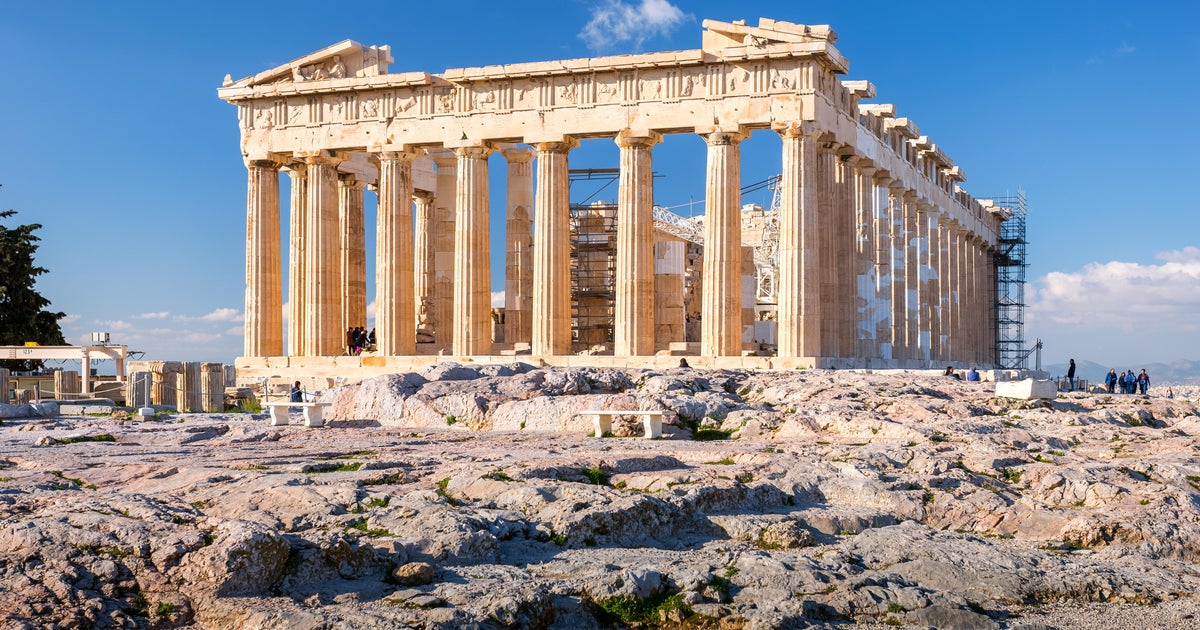
An attack near Athens' Acropolis saw two Greek American tourists stabbed by a man reportedly suffering from psychological problems. The incident occurred outside the Acropolis Museum, with authorities quickly detaining the assailant. The tourist sites remained open.
Imagine a famous old castle that lots of people visit. One day, someone with a knife hurt two visitors nearby. The police caught the person quickly, and the castle stayed open. It was a scary event, but it's not something that usually happens there.
Analysis
A Rare Act of Violence Near a Global Icon
The stabbing of two Greek American tourists near the Acropolis in Athens represents a concerning, albeit rare, instance of violent crime impacting visitors at one of the world's most iconic historical sites. While Greece is generally considered a safe destination, and violent street attacks are infrequent, this event underscores that no location is entirely immune to such incidents. The proximity to the Acropolis Museum, a key gateway to the ancient citadel, means that such attacks can directly affect the very people drawn to the country's rich cultural heritage. The swift apprehension of the alleged assailant, who police suggest was experiencing psychological difficulties, is a critical detail, pointing towards a potential motive rooted in individual distress rather than organized crime or terrorism.
Impact on Tourism and Public Perception
Athens, and specifically the Acropolis, is a magnet for millions of tourists annually. An event like this, even if isolated, can have a disproportionate impact on public perception and the tourism industry. While authorities confirmed that the sites remained open and operational, the psychological effect on potential visitors cannot be discounted. News of such attacks can travel quickly, potentially leading to increased traveler anxiety. The article notes that the assailant was randomly threatening passers-by, indicating a spontaneous act rather than a targeted attack on tourists specifically. This nuance is important, as it suggests the victims were unfortunately in the wrong place at the wrong time, rather than being specifically targeted due to their nationality or status as tourists.
Broader Context of Public Safety in Greece
While violent street attacks are uncommon, the article briefly references a separate incident in April involving an elderly man opening fire in Athens, resulting in injuries. This suggests that while rare, such acts of violence do occur and can stem from various underlying issues, including personal grievances and mental health challenges. The response from law enforcement in both instances appears to have been prompt and effective in apprehending the individuals involved. The focus on the assailant's alleged psychological problems in the Acropolis incident is crucial, as it frames the event as an unfortunate consequence of individual struggles rather than a systemic breakdown in public safety. Nevertheless, it prompts a discussion about how public spaces, especially those of immense cultural and historical significance, can be secured to mitigate risks to visitors.
Key points
- Two Greek American tourists were stabbed near the Acropolis Museum in Athens.
- The assailant, believed to be experiencing psychological problems, was apprehended by police.
- One tourist sustained minor injuries, while the other suffered more serious wounds.
- The attack did not lead to the closure of the Acropolis or its museum.
- Violent street attacks are reportedly rare in Greece.
The swift apprehension of the assailant and the minimal disruption to tourist site operations suggest that Greek authorities are capable of managing such incidents effectively. This event could prompt a review and potential enhancement of security measures around major attractions, ultimately leading to a safer environment for future visitors.
Despite the rare nature of such attacks, this incident could deter some tourists from visiting Athens, particularly if it is perceived as part of a broader trend of rising crime or instability. The psychological impact on victims and the potential for copycat incidents, however unlikely, remain concerns.