Traffic moves slowly in Rawalpindi as CTP makes all-out efforts to maintain flow
Torrential rain caused significant traffic disruption in Rawalpindi, prompting the City Traffic Police (CTP) to deploy additional personnel and resources to manage the flow and assist commuters.
Intelligence analysis by Gemini 2.5 Flash
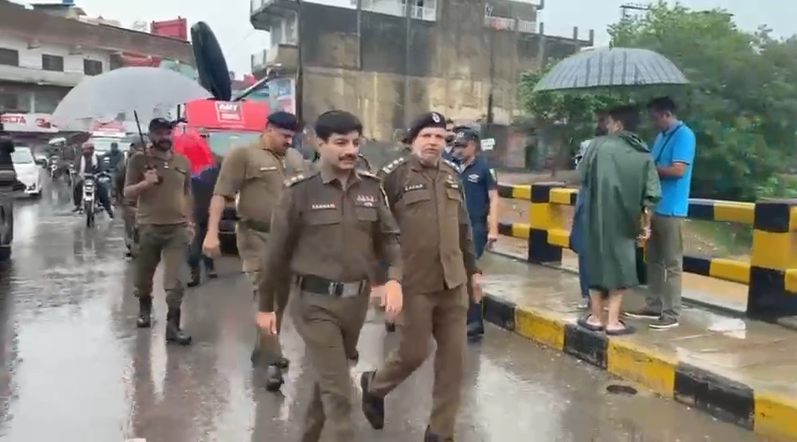
Heavy rainfall led to water accumulation on major roads in Rawalpindi, temporarily slowing traffic. The City Traffic Police, under Chief Traffic Officer Farhan Aslam, actively worked to restore normal traffic movement, deploying wardens and lifters, and coordinating with WASA for water removal.
Imagine a big city where it rained super, super hard, like a giant shower! The roads got all watery, and cars had to drive super slowly, like turtles. But the special police who help with traffic, called the CTP, sent out lots of officers to help cars move and make sure everyone was safe, even bringing special trucks to pull stuck cars. They told everyone to drive extra carefully, like when you're walking on slippery floor.
Analysis
Torrential rain frequently poses significant challenges to urban infrastructure and daily life in Pakistani cities, and Rawalpindi is no exception. The recent downpour led to widespread water accumulation on key thoroughfares, creating a temporary but notable disruption to the city's traffic flow. This event underscores the vulnerability of urban centers to extreme weather conditions and the constant need for robust municipal and law enforcement responses to mitigate their impact.
Rawalpindi's Monsoon Challenge
Rawalpindi, like many cities in the region, experiences heavy monsoon rains that can quickly overwhelm drainage systems and lead to waterlogging. This particular incident saw major roads affected, causing vehicles to move slowly and commuters to face delays. Such disruptions are not merely an inconvenience; they can impact economic activity, emergency service response times, and overall public morale, highlighting a persistent infrastructural challenge.
The accumulation of water on roads creates hazardous driving conditions, increasing the risk of accidents and vehicle breakdowns. The article notes that traffic movement was temporarily affected, indicating the immediate and tangible impact of the rainfall on the city's transportation network. Addressing these challenges requires not only immediate response but also long-term urban planning and infrastructure development to enhance resilience against future weather events.
City Traffic Police (CTP) Response
The City Traffic Police (CTP) in Rawalpindi demonstrated a proactive and comprehensive response to the traffic disruption. They deployed additional personnel, including officers and wardens, to critical points such as major roads, underpasses, and low-lying areas. This strategic deployment aimed to actively manage traffic flow and provide direct assistance to citizens, showcasing the CTP's commitment to public service during adverse conditions.
Furthermore, the CTP ensured the availability of lifters for continuous patrolling, ready to assist stranded vehicles or remove obstructions. This preparedness is crucial in preventing minor incidents from escalating into major bottlenecks. Their coordination with the Water and Sanitation Agency (WASA) and other relevant departments for the removal of accumulated rainwater was also a key factor in restoring normalcy, emphasizing inter-agency cooperation.
CTO Farhan Aslam's Directives
Chief Traffic Officer (CTO) Rawalpindi Farhan Aslam played a central role in overseeing the response, remaining active in the field alongside his team. His direct involvement underscores the leadership's commitment to addressing the immediate crisis and ensuring effective on-ground management. This hands-on approach likely contributed to the swift restoration of traffic flow on several affected roads.
CTO Aslam also issued important advisories to motorists, urging them to drive carefully, maintain safe distances, and exercise caution on waterlogged roads. These public safety messages are vital in preventing further incidents and encouraging citizen cooperation with traffic police efforts. His emphasis on precaution saving valuable time and precious lives highlights the broader implications of responsible driving during challenging weather conditions.
Key points
- Torrential rain caused significant traffic slowdowns and water accumulation on major roads in Rawalpindi.
- The City Traffic Police (CTP) deployed additional personnel, officers, and wardens to manage traffic and assist citizens.
- Chief Traffic Officer (CTO) Rawalpindi Farhan Aslam was actively involved in overseeing the field operations.
- Lifters were available for continuous patrolling to deal with stranded vehicles and obstructions.
- CTP coordinated with WASA and other departments to remove accumulated rainwater from affected areas.
- Motorists were urged by CTO Aslam to drive carefully and maintain safe distances on wet and waterlogged roads.
The swift and coordinated response by the City Traffic Police and other agencies demonstrates effective crisis management during adverse weather. This proactive approach helps minimize disruption and ensures public safety, suggesting that Rawalpindi's authorities are well-prepared to handle such challenges.
Despite the efforts, the recurring nature of traffic disruptions due to heavy rain highlights underlying infrastructure vulnerabilities in Rawalpindi. Without significant upgrades to drainage systems, similar issues will likely persist, causing ongoing inconvenience and potential hazards for commuters.