UK energy bills forecast to reach 3-year high: comment
UK domestic energy bills are projected to rise by approximately 4% in October, reaching a three-year high of £1,729 annually, according to analysts at Cornwall Insight. This increase is primarily driven by higher wholesale energy costs, exacerbated by geopolitical tension…
Intelligence analysis by Gemini 2.5 Flash
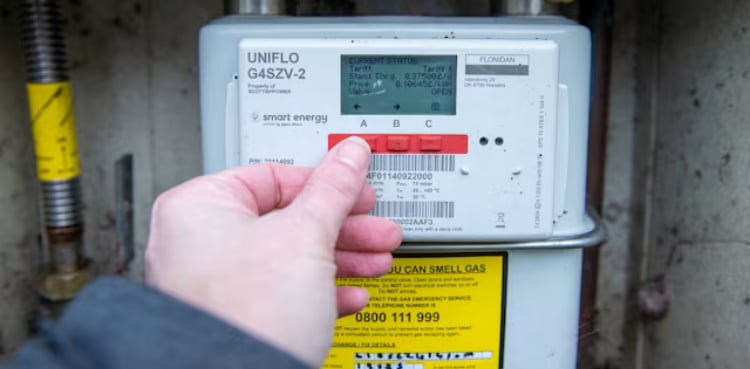
Analysts predict a significant hike in the UK's energy price cap this October, largely due to soaring wholesale energy prices. Factors such as the U.S.-Iran conflict, Middle East shipping disruptions, and increased European demand from heatwaves are pushing costs up, potentially offsetting the government's planned tax cut on electricity bills.
Imagine your family's electricity bill is like a balloon that keeps getting bigger. Experts say it's going to get even bigger in October, costing more money than it has in three years. This is happening because of big fights far away and hot weather making everyone use more power, which makes the energy itself more expensive for everyone.
Analysis
The latest projections from Cornwall Insight indicate a significant financial burden for UK households, with the domestic energy price cap set to climb to a three-year high. This increase, forecast for October, will see typical annual bills rise by £66 to £1,729, a 4% jump from the July cap. The primary driver behind this surge is the escalating cost of wholesale energy, which remains the most substantial component in Ofgem's quarterly price cap calculation. This situation underscores the vulnerability of domestic energy markets to international geopolitical and environmental factors.
Cornwall Insight
Cornwall Insight's analysis serves as a critical barometer for the UK's energy market, providing forward-looking estimates that influence public and policy discourse. Their forecast of a £1,729 annual energy bill highlights the persistent inflationary pressures facing British consumers. The firm explicitly links the rise to ongoing uncertainty stemming from the U.S.-Iran conflict, which has destabilized global energy markets. This geopolitical tension has pushed wholesale prices for the upcoming winter to their highest levels in nearly four years, demonstrating how international events directly translate into domestic household costs.
£1,729
The projected annual energy bill of £1,729 represents a tangible increase that will impact millions of households across the UK. This figure, up from £1,663, signifies a substantial financial strain, particularly for those already grappling with the cost-of-living crisis. Beyond geopolitical factors, the report also points to disruptions in Middle Eastern shipping lanes and reduced liquefied natural gas exports from Qatar as contributing to the supply-side pressures. Furthermore, heightened demand for power across Europe due to recent heatwaves has further inflated international gas prices, creating a perfect storm for rising consumer costs.
Andy Burnham
In response to these mounting cost-of-living pressures, new British Prime Minister Andy Burnham announced a measure aimed at alleviating some of the burden: a 5% tax cut on electricity bills, effective from October 1. While this intervention is intended to provide some relief, Cornwall Insight's forecast suggests that the magnitude of the wholesale price increases may largely negate the benefit of this tax reduction. Crucially, the tax cut does not extend to gas costs, which are also a significant component of the overall energy price cap, limiting its comprehensive impact on household budgets. This highlights the challenge governments face in shielding consumers from volatile global energy markets.
Key points
- UK energy bills are forecast to rise by 4% in October, reaching a three-year high of £1,729 annually.
- The increase is primarily driven by higher wholesale energy costs, influenced by the U.S.-Iran conflict and Middle East shipping disruptions.
- Lower liquefied natural gas exports from Qatar and increased European demand due to heatwaves are also contributing factors.
- New British Prime Minister Andy Burnham announced a 5% tax cut on electricity bills, effective October 1.
- Analysts suggest the wholesale price increases may largely offset the benefit of the government's tax cut.
The British government's decision to remove a 5% tax on electricity bills from October 1 could offer some relief to households, partially mitigating the impact of rising wholesale costs. This intervention demonstrates an effort to address cost-of-living pressures, potentially easing the financial burden on consumers.
The forecast increase in energy bills, driven by geopolitical conflicts and supply disruptions, is expected to exacerbate the cost-of-living crisis in the UK. The government's tax cut may be largely negated by the scale of wholesale price hikes, leaving households facing significantly higher expenses and contributing to inflationary pressures.
Market signals
- OIL Ongoing uncertainty over the U.S.-Iran conflict and Middle East shipping disruptions are driving wholesale energy prices higher.
- Natural Gas Lower liquefied natural gas exports from Qatar and increased European demand due to heatwaves are pushing international gas prices higher.
AI-generated analysis of potential market relevance. Not financial advice.