Tricked by ‘Nirmala Sitharaman’ ad, Pune man loses Rs 2.3 cr to stock scam
A Pune realtor lost Rs 2.3 crore after falling prey to a Facebook advertisement for a fake stock trading platform featuring Union Finance Minister Nirmala Sitharaman. The fraudsters built his confidence by showing returns on the platform and sending money back to him as s…
Intelligence analysis by Llama
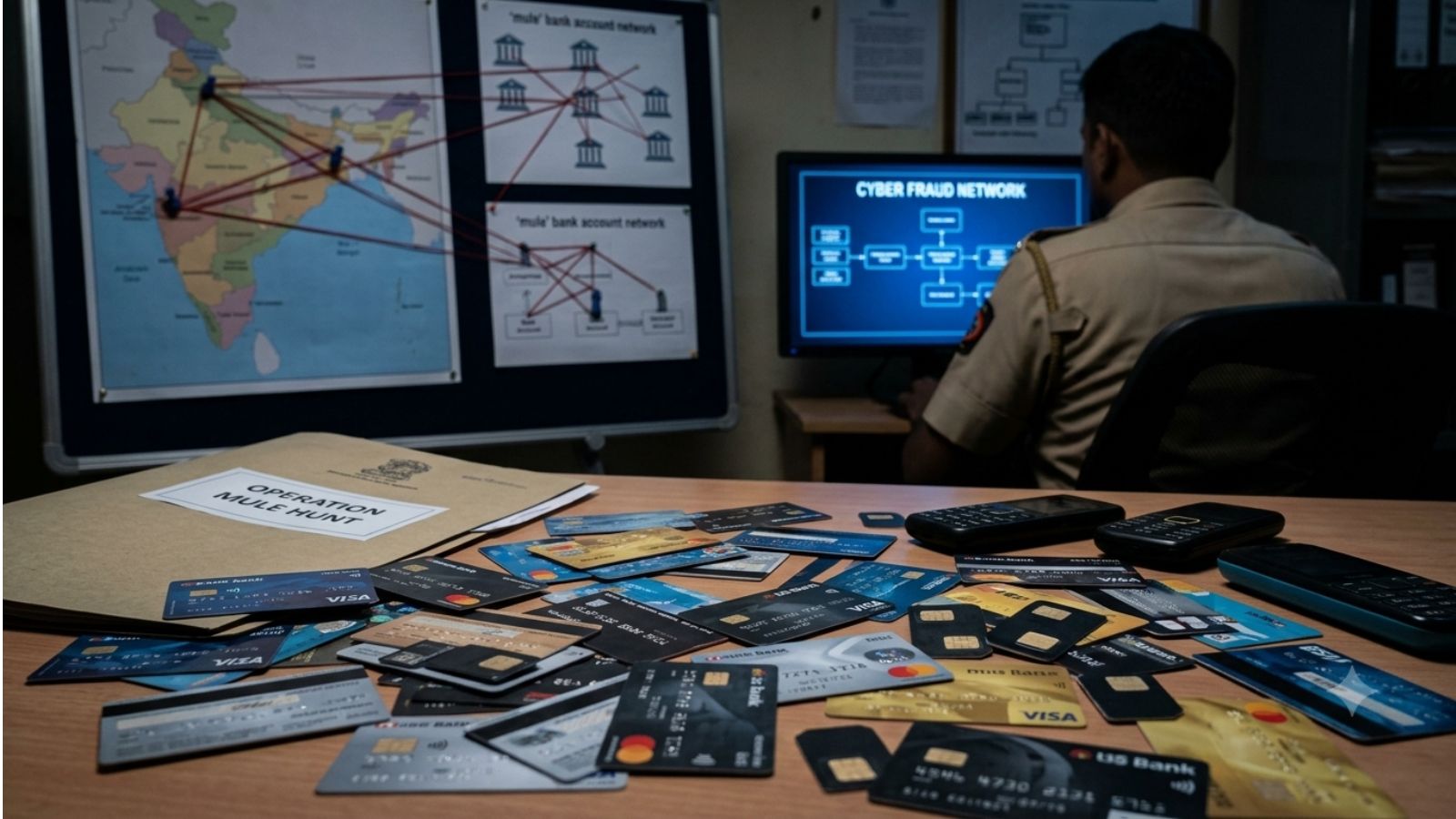
A Pune realtor lost Rs 2.3 crore to a fake stock trading platform featuring Nirmala Sitharaman. The fraudsters built his confidence by showing returns and sending money back to him.
Imagine you saw an ad on Facebook that looked like it was from the Finance Minister. Someone called you and said they could help you invest in the stock market. They showed you some money and said it was your profit. But it was all a trick. They wanted you to give them more and more money. This is called a scam. It's like a fake game where you think you're winning, but you're actually losing.
Analysis
The Scam Unfolds
The elderly realtor grew suspicious when he was asked to pay Rs 2.5 crore to withdraw his purported Rs 6.5-crore corpus. The Pune city police have started an investigation in the cyber fraud case. The fraudsters used a Facebook advertisement featuring Union Finance Minister Nirmala Sitharaman to gain the victim's trust. They then contacted him through a WhatsApp call and created an account for him on a fake share trading platform. The caller sent him a link to the website, asked him to set a password and log in, and then built his confidence by showing returns on the platform and sending money back to him as supposed profits. After making two or three investments, the caller allegedly transferred Rs 74,000 to the victim's Bank account and told him that it was the profit he had earned. This increased his trust in the platform, following which he continued transferring larger amounts when instructed. The caller subsequently sent him details of various bank accounts through email and persuaded him to transfer money for stock market investments. The FIR records 14 transactions between July 7 and July 30, amounting to Rs 2.3 crore. The money was transferred to several mule accounts in Delhi, Hyderabad, Chennai, Pune, and Vadodara. The fake trading platform showed that his investment had grown to Rs 6.5 crore. When he requested to withdraw the money, he was allegedly contacted by another person claiming to be a financial adviser, who told him that his 'equity had fallen' and that he would have to pay Rs 2.5 crore more to withdraw his money. This demand raised his suspicions and he realised that he had been cheated. The Pune city cyber police have started an investigation based on his complaint.
How Share-Trading Scams Work
Fraudsters often use social media advertisements and fake trading platforms to make investment scams appear legitimate. They may use photographs or deepfake videos of public figures, professional-looking websites, and people posing as investment advisers to gain victims' confidence. A small initial payment shown as 'profit' often builds trust before victims are persuaded to invest much larger sums. The police have warned investors to independently verify whether a platform or intermediary is registered with the Securities and Exchange Board of India (Sebi), avoid investment links received through social media or messaging apps, and never transfer money to bank accounts provided by unknown people. Promises of unusually high returns or demands for additional money to withdraw supposed profits are major red flags, the police added.
Key points
- A Pune realtor lost Rs 2.3 crore to a fake stock trading platform featuring Nirmala Sitharaman.
- The fraudsters built his confidence by showing returns on the platform and sending money back to him as supposed profits.
- The police have warned investors to verify the legitimacy of investment platforms and avoid investment links received through social media or messaging apps.
- The scammers may have already transferred the money to other accounts, making it difficult to recover.
If the authorities can catch the scammers and recover the stolen money, it could help prevent similar scams in the future. It could also lead to stricter regulations for investment platforms to prevent such scams.
The scammers may have already transferred the money to other accounts, making it difficult to recover. The victim may also be left with financial and emotional trauma.