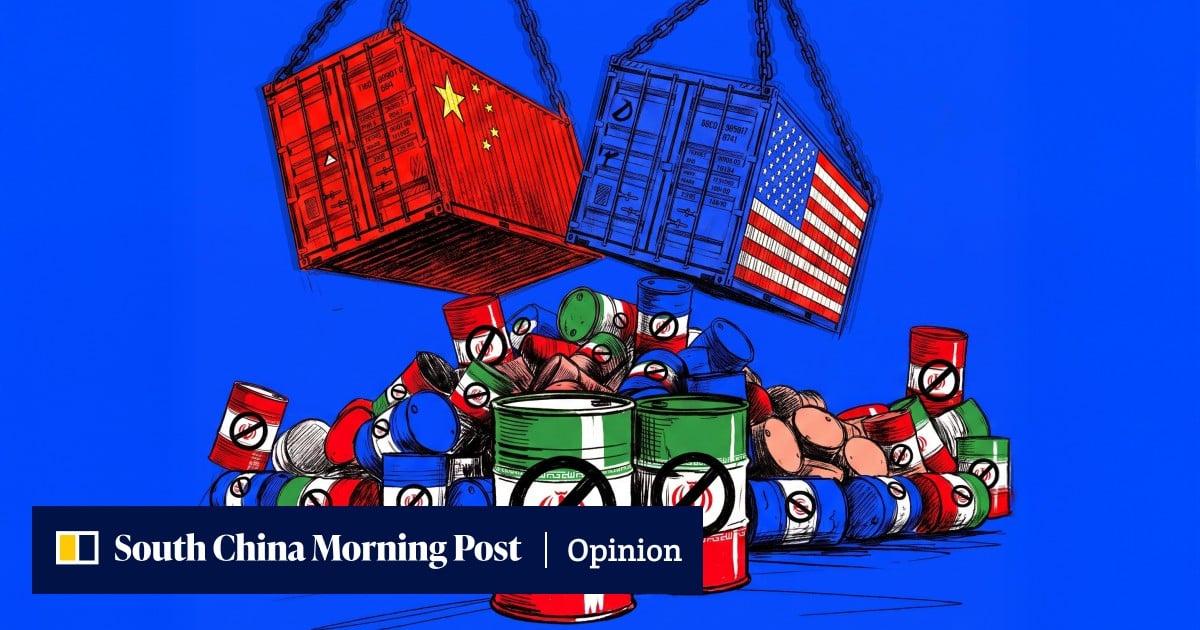
Trita Parsi on why US air strikes strengthened Iran’s hand and failed to trigger a revolt
Expert Trita Parsi argues that US President Trump's "economic D-Day" sanctions against Iran are more likely to provoke escalation than surrender, potentially intensifying conflict rather than resolving it.
Intelligence analysis by Gemini 2.5 Flash
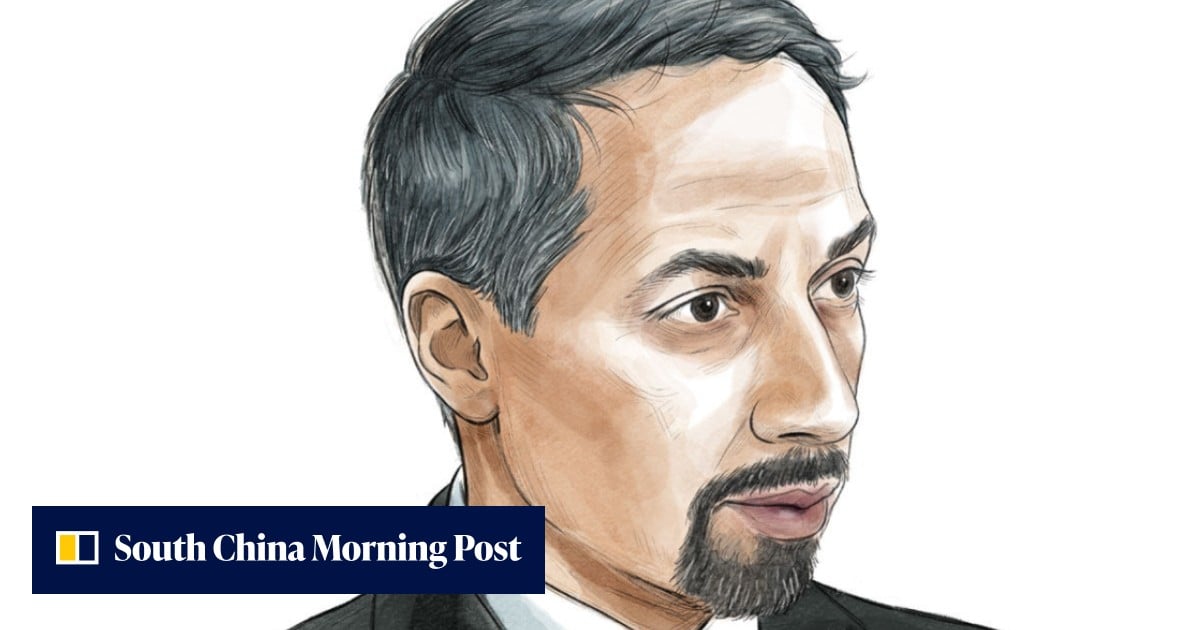
An interview with Trita Parsi, an expert on US-Iranian relations, analyzes the implications of US sanctions on Iran. Parsi suggests these measures will strengthen Tehran's resolve rather than force capitulation, predicting a new cycle of conflict given Iran's historical pattern of fearing surrender more than escalation.
Imagine two friends, America and Iran, are having a big disagreement. America tries to make Iran do what it wants by taking away its pocket money and toys (like sanctions). But an expert named Trita says that Iran is more scared of giving up completely than of getting into a bigger fight. So, instead of making Iran say "uncle," these actions might just make Iran even more determined to push back, making their argument even louder and longer.
Analysis
Donald Trump
US President Donald Trump's administration initiated what was termed "economic D-Day" sanctions against Iran, aiming to exert maximum pressure on Tehran. The underlying objective of these measures, according to Trita Parsi, was to compel Iran into capitulation. However, Parsi contends that this strategy is fundamentally flawed, as Iran's historical behavior demonstrates a greater fear of surrender than of escalating conflicts.
The sanctions, rather than achieving their intended goal of forcing Iran to yield, are predicted to backfire. Parsi suggests that without clear demands from the US Treasury Secretary Scott Bessent, Tehran will interpret the sanctions as an attempt to force its complete surrender. This perception is crucial, as it shapes Iran's response and its willingness to engage in further confrontation rather than concede to US pressure.
Strait of Hormuz
The geopolitical significance of the Strait of Hormuz is implicitly highlighted in the context of potential Iranian counter-escalation. While not explicitly detailed in the provided text, the mention of vessels near the Strait of Hormuz underscores the critical role this waterway plays in global energy security and trade. Any escalation in the US-Iran conflict, as predicted by Parsi, could directly impact the stability and navigability of this vital maritime choke point.
Such disruptions would have far-reaching consequences for international shipping and oil markets, potentially drawing in other global powers with vested interests in the region. The threat of Iranian counter-escalation in response to sanctions, therefore, carries significant implications for regional stability and global economic flows, particularly through strategic locations like the Strait of Hormuz.
Scott Bessent
US Treasury Secretary Scott Bessent's role is critical in the framing of the sanctions, particularly regarding the clarity of US demands. Trita Parsi points out that Bessent has not listed any clear demands, which significantly influences Tehran's interpretation of the sanctions' purpose. This lack of explicit conditions leads Iran to perceive the "economic D-Day" as a blanket measure designed solely to force its surrender, rather than to achieve specific policy changes.
This ambiguity in US policy, or the deliberate absence of specific demands, is a key factor in Parsi's analysis of why the sanctions are likely to fail. Without a clear pathway for de-escalation or a set of achievable conditions, Iran is left with the impression that its only options are capitulation or escalation. Given Iran's historical stance, the latter becomes the more probable outcome, perpetuating the cycle of conflict.
Key points
- US President Trump's "economic D-Day" sanctions aim to force Iran's surrender.
- Expert Trita Parsi argues Iran fears capitulation more than escalation, making surrender unlikely.
- The lack of clear US demands leads Tehran to interpret sanctions as a move to force total surrender.
- Sanctions are predicted to trigger a new round of escalatory conflict rather than end it.
- Mainland Chinese and Hong Kong companies are implicated in the new secondary sanctions.
The sanctions are likely to backfire, leading to an escalatory cycle where Iran responds with increased defiance rather than surrender. This could intensify regional tensions and prolong the conflict, potentially drawing in other international actors and further destabilizing the Middle East.