Tropical heron spotted in UK for first time as more exotic birds arrive to thrill birdwatchers
A western reef heron has been seen in the UK for the first time, with experts linking the sighting to milder winters and shifting bird ranges.
Intelligence analysis by GPT-5.4 Mini
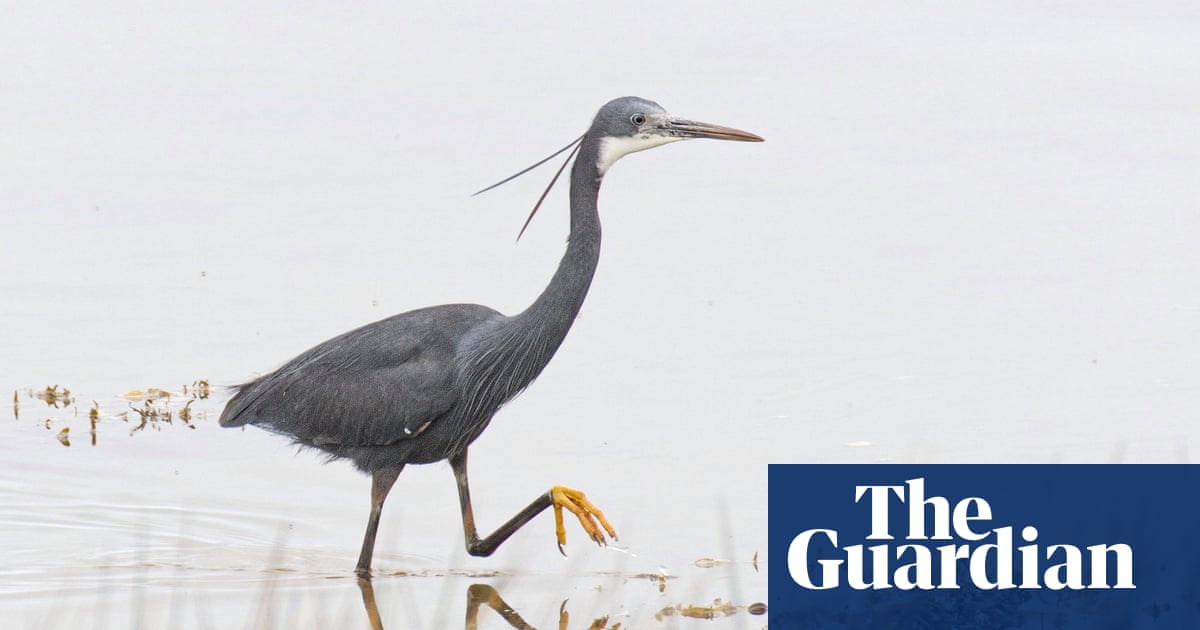
Birdwatchers in north Wales have logged what is believed to be the UK’s first western reef heron, alongside another rare tropical heron in Lincolnshire. Experts say warming winters are helping species survive farther north.
A bird that usually lives in warm places has turned up in the UK for the first time, like a surprise visitor from far away. Experts think warmer winters are helping these birds survive in places that used to be too cold.
Analysis
A first for Britain
A western reef heron, a tropical bird usually found between west Africa and India, was spotted in north Wales and is believed to be the first recorded in the UK. It was first seen at Foryd Bay before moving to Caernarfon harbour, where it fed among boats and drew birdwatchers from around the country.
Climate-linked range shifts
Experts quoted by the Guardian said the sighting fits a broader pattern: species that once lived mainly in warmer regions are now appearing farther north. Nick Moran of the British Trust for Ornithology said increasingly mild winters make it easier for shallow-water birds such as herons and egrets to survive, because frozen feeding grounds are less common than they were decades ago.
Alexander Lees of Manchester Metropolitan University said these birds are part of a wider “readjustment” in biodiversity, with former tropical species shifting north as winters become less harsh. He pointed to the first breeding record of the zitting cisticola last year as another example of this movement.
Not an isolated sighting
The western reef heron was not the only rare bird attracting attention. A squacco heron, normally seen only a few times a year in the UK, was also drawing birdwatchers in Lincolnshire. The article also notes recent UK sightings of black-winged kites, brown boobies, white-rumped swifts, and European bee-eaters.
Moran said the bird seen in Wales is unlikely to trigger dozens of new records immediately, but he expects more sightings to follow. The birdwatching buzz is real, but the underlying story is a climate one: species are moving, and Britain’s wildlife is changing with the weather.
Key points
- A western reef heron was seen in north Wales and is believed to be the first UK record.
- Experts link the sighting to milder winters and climate-driven range shifts.
- A squacco heron was also attracting birdwatchers in Lincolnshire.
- Scientists say tropical or Mediterranean species are increasingly appearing farther north.
- More sightings are expected, but not necessarily a sudden flood of records.
More unusual sightings could give birdwatchers, scientists, and nature groups better chances to track how animals are changing their homes. These records can also help people notice climate-driven shifts earlier and understand them more clearly.
The same warming that brings rare birds north can also signal trouble for species that depend on colder winters. If climate shifts keep pushing wildlife ranges around, local ecosystems may become less stable and harder to protect.