Trump administration 'laser focused' on Iran's nuclear program, Waltz says
The Trump administration is focused on preventing Iran from obtaining a nuclear weapon, according to U.S. Ambassador to the United Nations Mike Waltz. Waltz described Iranian officials as not 'good guys' but said the administration is taking a pragmatic approach.
Intelligence analysis by Llama 3.3 70B
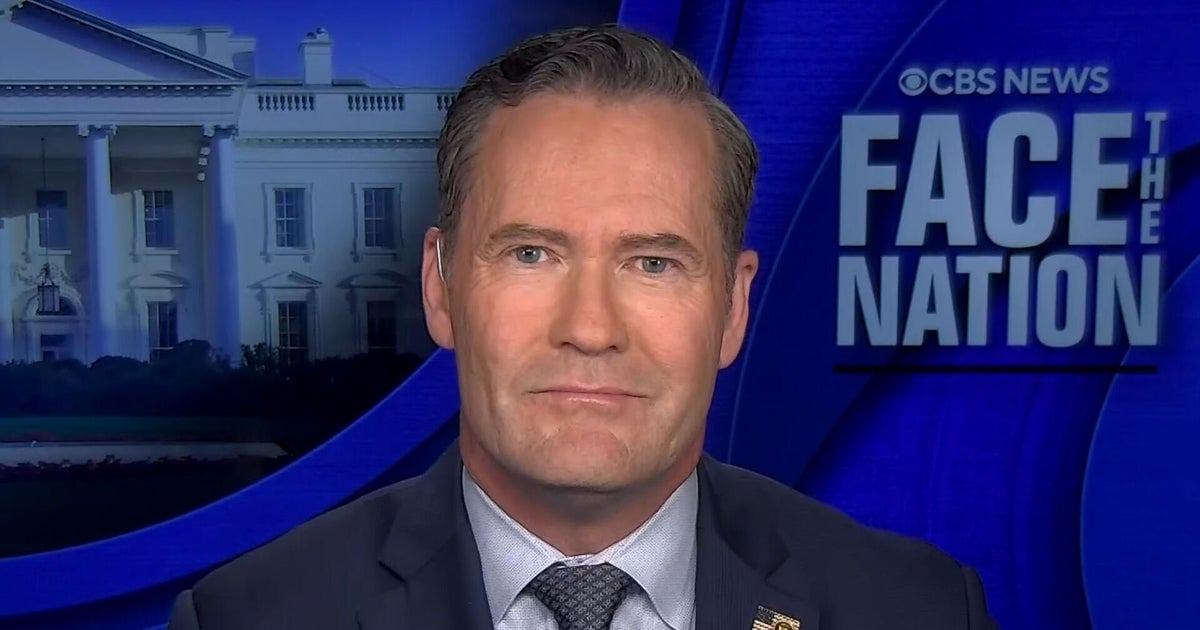
The U.S. and Iran are holding talks in Switzerland to address Iran's nuclear program, with the Trump administration focused on preventing Iran from obtaining a nuclear weapon. Iranian officials are seen as 'not good guys' by the administration, but a pragmatic approach is being taken.
The U.S. and Iran are talking about Iran's nuclear program. The U.S. wants to make sure Iran doesn't get a nuclear weapon, which could be very dangerous. Iran says its program is for peaceful purposes, but the U.S. is being careful and wants to make sure any deal is verifiable.
Analysis
A New Approach to Iran's Nuclear Program
The Trump administration's approach to Iran's nuclear program is distinct from previous U.S. policies. According to Mike Waltz, the administration is 'laser focused' on preventing Iran from obtaining a nuclear weapon, rather than pursuing a broader set of goals. This approach is seen as pragmatic, given the complexities of the issue and the challenges of negotiating with Iranian officials.
The administration's focus on nuclear issues is also reflected in its willingness to consider a deal that would allow Iran to maintain some level of nuclear capability, as long as it is verifiably peaceful. This approach is seen as a compromise between the U.S. goal of preventing Iran from obtaining a nuclear weapon and Iran's insistence on maintaining its nuclear program for peaceful purposes.
The Role of Technical Experts
The involvement of technical experts from the Department of Energy in the negotiations is a significant aspect of the U.S. approach. These experts will help address the 'nitty gritty details' of the fate of Iran's nuclear program, including its stockpile of highly enriched uranium. The exact structure of a potential U.S.-Iran nuclear deal remains unclear, but the involvement of technical experts suggests that the administration is committed to finding a verifiable and enforceable solution.
The technical talks between the U.S. and Iran will need to address a range of complex issues, including the disposition of Iran's stockpiled enriched material and the verification of its nuclear activities. The administration's goal is 'Iran not having a nuclear program,' but this will require careful negotiation and verification to ensure that any deal is enforceable and effective.
The Challenge of Verification
The challenge of verifying Iran's compliance with any potential deal is a significant one. The administration has made clear that any deal will be 'all about verification,' with 'no trust' in Iran needed. This approach reflects the difficulties of verifying Iran's nuclear activities, given its history of secrecy and deception.
The administration's plan to monitor Iran's oil sales and ensure that any revenue is used for verifiable purposes is a key aspect of its approach. This will help to prevent Iran from using any sanctions relief to fund its conventional military or support regional proxies. However, the challenge of verifying Iran's compliance with any deal will require ongoing monitoring and enforcement, and will be a major test of the administration's approach.
Key points
- The Trump administration is 'laser focused' on preventing Iran from obtaining a nuclear weapon
- The U.S. and Iran are holding talks in Switzerland to address Iran's nuclear program
- The administration's approach is pragmatic, given the complexities of the issue and the challenges of negotiating with Iranian officials
If the talks between the U.S. and Iran are successful, it could lead to a significant reduction in tensions between the two countries and the wider region. A verifiable and enforceable deal could also help to prevent the spread of nuclear weapons and reduce the risk of conflict.
However, the talks are complex and challenging, and there is a risk that they could fail. If Iran is not willing to compromise, or if the U.S. is not able to verify its compliance with any deal, it could lead to increased tensions and conflict. Additionally, the involvement of other countries in the region, such as Israel and Saudi Arabia, could also impact the outcome of the talks.