Trump administration to impose fresh wave of tariffs on more than 80 countries
The US will impose tariffs of 10% to 12.5% on more than 80 countries under section 301 of the Trade Act of 1974, replacing a 10% global duty set to expire Friday.
Intelligence analysis by Llama
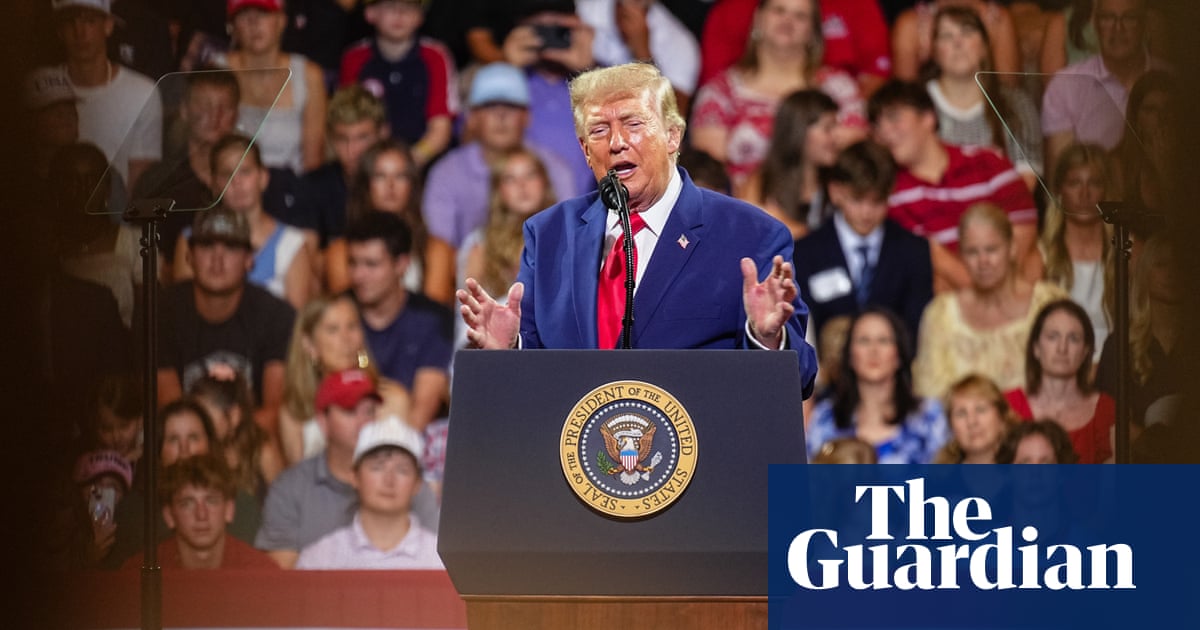
US trade representative Jamieson Greer announced sweeping new tariffs on 80+ countries, framed as targeting forced labor, replacing a temporary 10% global duty. The move follows a February Supreme Court ruling that struck down earlier tariffs.
Imagine the US is the boss of a big playground, and the boss just told 80 other kids they have to pay a small fee to trade toys. The boss says it's because some kids aren't being fair. The old fee was about to end, so a new one starts now, and people are arguing about whether it makes snacks at the toy store cost more.
Analysis
A Reborn Section 301 Regime
The Trump administration's new tariff package is technically grounded in section 301 of the Trade Act of 1974, a statute historically used to counter unfair foreign trade practices. This time, the administration has pivoted the legal rationale toward forced labor, an issue with bipartisan appeal and existing precedent in US trade law. Greer framed the duties as both a human rights and a trade-distortion remedy, signaling that the administration wants a durable legal basis after its February courtroom loss. The 10% to 12.5% range is narrower than the punishing rates floated during earlier escalation rounds, suggesting a calibrated attempt to stay within judicial guardrails while still signaling resolve.
The Post-Court-Reality Trade Map
When the Supreme Court invalidated much of the original tariff architecture earlier this year, the administration replaced it with a 10% global duty that was always meant as a stopgap. Friday's announcement is the first true post-ruling trade policy, and it lands on more than 80 countries at once. The breadth matters: rather than singling out China or a handful of adversaries, the duties sweep across both allies and competitors. Import-dependent US manufacturers, agricultural exporters facing retaliation, and retailers sourcing from the affected countries all face a reset in pricing assumptions heading into the second half of 2026.
Inflation Politics Take Center Stage
Greer's exchange with Senator Elizabeth Warren, in which he flatly denied that tariffs had raised consumer prices, highlights the political stakes. Core inflation has fallen to 2.6% year on year, but overall inflation remains slightly elevated compared with the end of the Biden administration. Democrats argue the administration is 'in denial' about the cost-of-living effects, while Greer points to the core measure excluding food and energy. With midterm-season politics intensifying, the new tariffs give both sides fresh ammunition, and any subsequent pickup in goods inflation will intensify scrutiny of whether the section 301 framework delivers the promised industrial revival or simply layers new costs onto households.
Key points
- The US will impose 10% to 12.5% tariffs on more than 80 countries under section 301 of the Trade Act of 1974, aimed at forced labor practices.
- The new duties replace a temporary 10% global tariff that was set to expire early Friday.
- The announcement follows a February Supreme Court ruling that struck down much of the administration's earlier tariff architecture.
- US trade representative Jamieson Greer told senators tariffs have not raised prices, citing core inflation at 2.6% year on year, though overall inflation remains slightly above where it stood when Biden left office.
- Democrats argue the administration is 'in denial' about consumer-price effects as the duties take effect.
If enforced effectively, the tariffs could pressure trading partners to strengthen their own forced-labor import bans, aligning global supply chains around higher labor standards. A more predictable, court-tested 10% to 12.5% framework may also give importers and exporters clearer pricing signals than the chaotic back-and-forth of 2025, supporting longer-term investment planning.
Critics warn that layering new duties on 80+ countries risks reigniting goods inflation at a moment when overall prices remain elevated above pre-Trump levels. Trading partners may retaliate, squeezing US agricultural and manufacturing exporters who were already navigating an uncertain environment after the February Supreme Court ruling.