Trump claims to be on verge of approving peace deal with major Iranian concessions
Trump said a deal with Iran was close, but Tehran denied any final agreement and cast his claims as premature.
Intelligence analysis by GPT-5.4 Mini
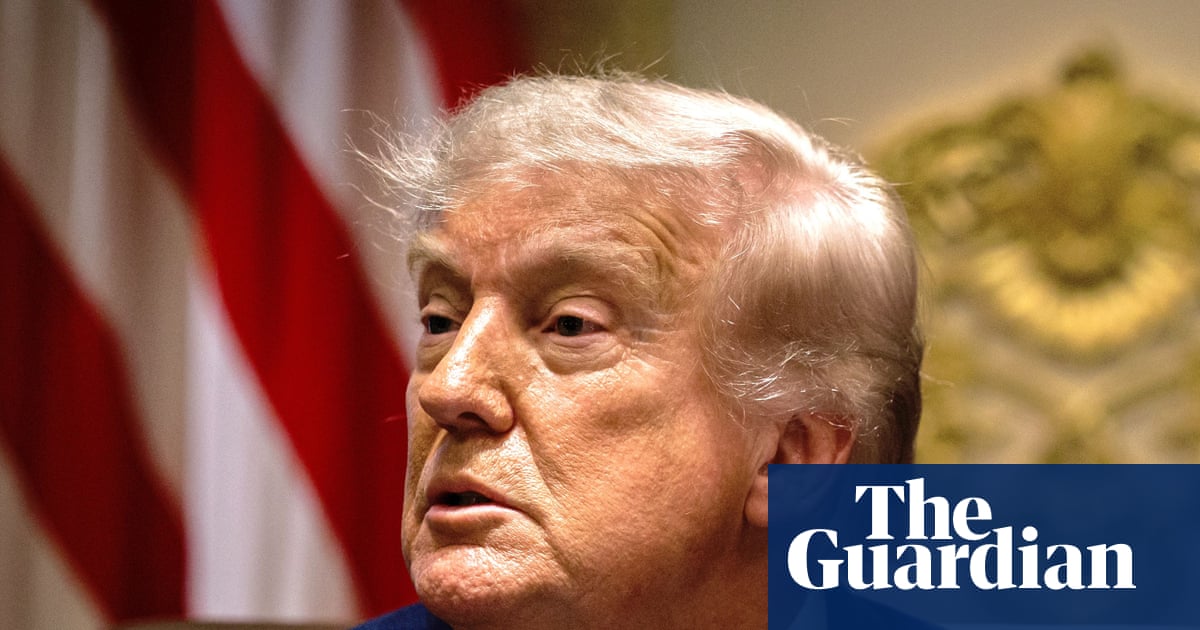
Trump described a possible Iran deal that would require Tehran to give up key nuclear and maritime positions, but Iranian officials said talks were still continuing. The standoff leaves open questions about the war, the Strait of Hormuz, and global energy flows.
A big argument is happening between the US and Iran about bombs, ships, and a narrow sea path called the Strait of Hormuz. Trump said a deal might be ready, but Iran said, “Not so fast.”
It is a bit like two kids saying they have agreed to share a toy, while one of them is still telling everyone, “No, we have not finished talking yet.”
This matters because the sea path is like a busy doorway for oil ships. If it stays blocked or becomes unsafe, lots of countries can feel the effect very quickly.
Analysis
What Trump said
Trump said he could approve a peace deal on Friday after meeting senior aides in the White House situation room. In his account, Iran would have to make major concessions: never obtain a nuclear weapon, open the Strait of Hormuz to traffic without tolls, remove mines from the waterway, and let the US locate and destroy highly enriched uranium at a secure site. He also said frozen Iranian assets would not be transferred and that the US naval blockade would be lifted, though the article notes it was unclear whether that would depend on confirmation of any deal.
What Iran said
Iranian officials pushed back hard. The article says Tehran denied that a final agreement had been reached, with the foreign ministry spokesperson saying exchanges of messages were still continuing. The semi-official Tasnim news agency called Trump’s post typical of his unilateral style, while Fars described it as a mix of truth and lies. Iran’s foreign minister also signaled that discussions about the future administration of the Strait of Hormuz were being framed in terms of sovereignty and international law, not the arrangement Trump described.
Wider context
The story sits inside a broader effort to stop or pause a war that has already disrupted global energy supplies and unsettled markets. The article says Trump may also need to persuade Israeli Prime Minister Benjamin Netanyahu to accept a ceasefire in Lebanon as part of any broader settlement. The paper reports that US, Iranian, Pakistani, and Israeli positions were still moving, but no side had publicly confirmed a final deal.
Key points
- Trump said he was close to approving a deal with Iran, but the article says no final agreement had been confirmed.
- The reported US terms included Iran giving up any path to a nuclear weapon and opening the Strait of Hormuz to shipping.
- Iranian officials denied Trump’s version and said talks were still ongoing.
- The dispute comes amid a war that has already affected global energy supplies and market stability.
- The article says Trump may also need to secure wider regional concessions, including on Lebanon.