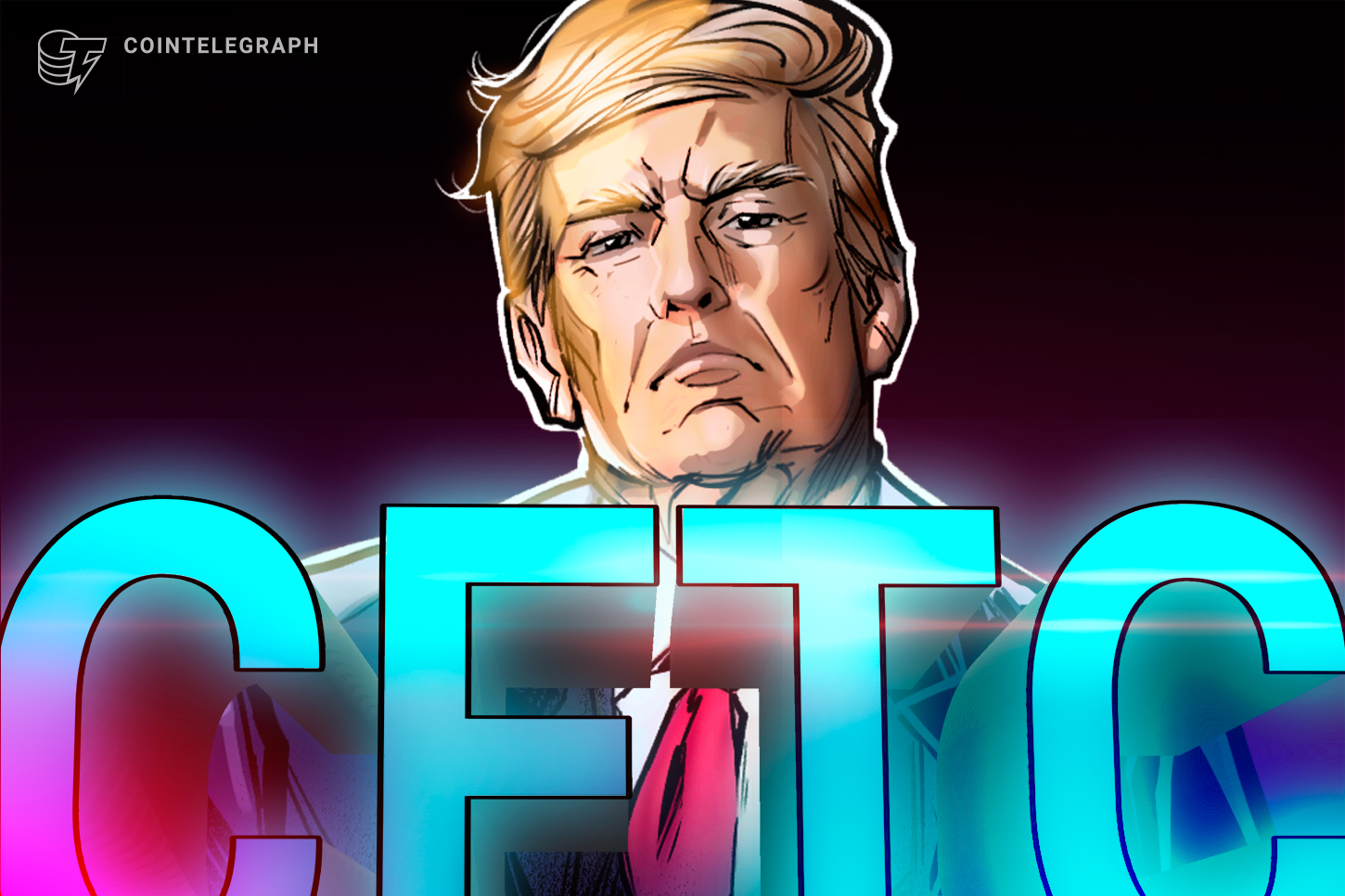
Trump Defends CFTC Jurisdiction Over Prediction Markets
Trump said the CFTC should keep exclusive authority over prediction markets as states sue platforms like Kalshi, Polymarket, Crypto.com and Robinhood.
Intelligence analysis by GPT-5.4 Mini
The article frames prediction markets as a fast-growing financial niche now caught between state gambling laws and federal derivatives oversight. Trump publicly backed the CFTC’s exclusive role, even as some states push enforcement and the agency defends its jurisdiction.
A prediction market is like a betting game where people trade on what they think will happen next. The big question is who gets to make the rules: the federal government or each state.
Trump said the federal CFTC should stay in charge. Some states say these platforms look like gambling and should need state licenses.
It matters because if one rulebook wins, these markets may grow faster. If many states make different rules, it becomes harder for them to work everywhere.
Analysis
Regulatory fight
The story centers on a jurisdiction fight over prediction markets. Trump said it is “critically important” that the CFTC keeps exclusive authority over them, and he argued that the markets should be allowed to “thrive.”
State actions vs federal control
According to the article, several state officials have moved against prediction markets by suing or issuing cease-and-desist orders. The platforms named include Kalshi, Polymarket, Crypto.com and Robinhood. The states’ position is that these products amount to gambling without a license.
Prediction markets have pushed back by saying they fall under federal oversight, not state gambling rules. The article says Kalshi and others claim the CFTC regulates them solely, while CFTC Chair Mike Selig also supported the agency’s exclusive jurisdiction. He said the markets are covered by the federal derivatives framework under the Commodity Exchange Act.
What Trump added
Trump’s post also tied the issue to U.S. competitiveness, saying other countries want this market and that the U.S. should remain at the top. The article notes that he had recently expressed discomfort with prediction markets after questions about event bets tied to the Iran war, but later softened his view and said the U.S. could be left behind if it blocks the industry.
Crypto angle
This matters because prediction markets are increasingly part of the broader crypto trading and platform ecosystem. A clear federal win for the CFTC would strengthen the case for these products to expand in the U.S.; a stronger state role would make the operating environment harder and more fragmented.
Key points
- Trump said the CFTC should keep “exclusive authority” over prediction markets.
- Several states have sued or warned platforms such as Kalshi, Polymarket, Crypto.com and Robinhood.
- The platforms argue the CFTC alone regulates them under federal derivatives law.
- CFTC Chair Mike Selig also backed the agency’s exclusive jurisdiction.
- Trump previously criticized prediction markets, then later said the U.S. could be left behind without them.