Trump imposes 15% tariff on key chip material to counter China
US President Donald Trump has signed an executive order imposing a 15% tariff on imported products made from polysilicon, a crucial material used in semiconductors and solar panels. The move is intended to help protect US manufacturers as they face increasing competition …
Intelligence analysis by Llama
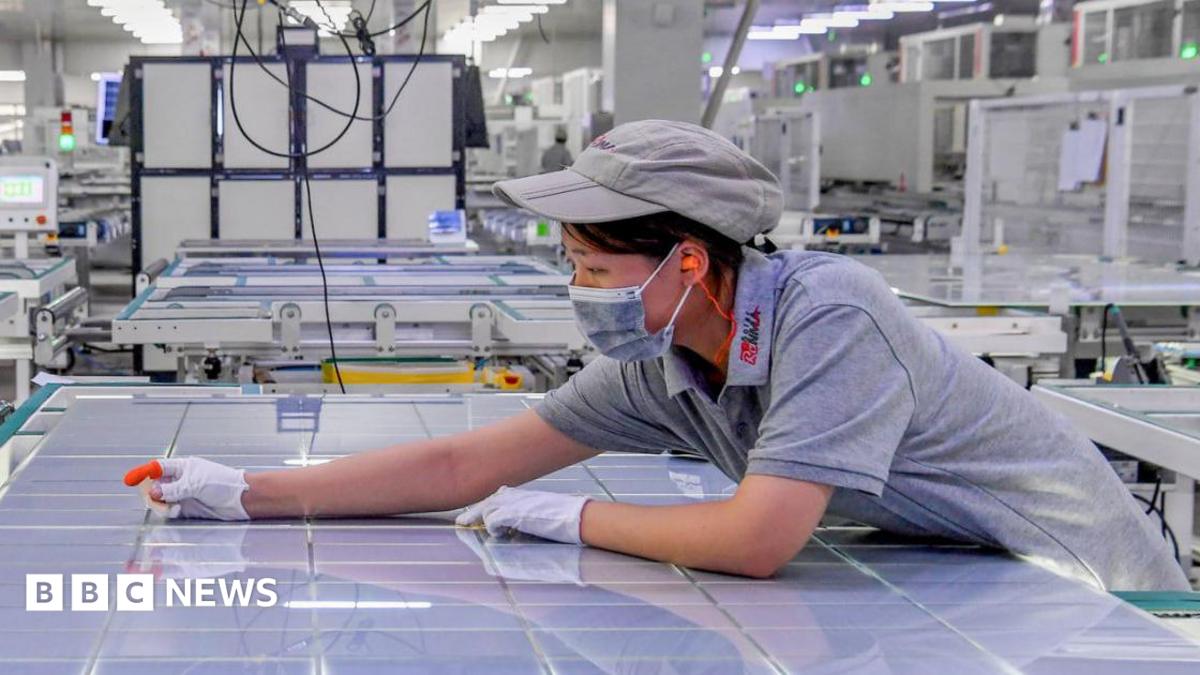
The US has imposed a 15% tariff on imported polysilicon to counter China's growing chip industry. The move aims to protect US manufacturers and boost domestic production.
Imagine you're building a computer, and you need a special material called polysilicon to make the chips. The US is imposing a tax on this material when it's imported from China, to help American companies make the chips themselves. This is part of a bigger trade war between the US and China, where both countries are trying to protect their own industries and companies.
Analysis
Polysilicon: The Critical Material at the Heart of the US-China Trade Tensions
The US has imposed a 15% tariff on imported polysilicon, a crucial material used in semiconductors and solar panels. This move is intended to help protect US manufacturers as they face increasing competition from China's chip industry. China holds a near monopoly on the production of polysilicon, and the US has allowed foreign firms to weaken its producers in the sector for decades.
The production of computer chips is central to the race between the US and China to develop artificial intelligence (AI). Washington and Beijing have been locked in a tit-for-tat tariffs war, which has been on hold since May 2025. The new tariff marks the latest escalation in Washington's efforts to limit China's role in critical technology supply chains.
The move follows other US restrictions on the imports of drones, humanoid robots, and other tech products from China. China has announced a range of countermeasures, including tighter export controls on drones and a national security review into imported printers and copiers.
The US will also offer incentives to boost domestic production, and the measures are due to take effect in December. The order is likely to benefit Hemlock Semiconductor and Wacker Chemie, which are the main producers of the material in the US.
The implications of this move are significant, as it highlights the ongoing trade tensions between the US and China. The US is trying to protect its manufacturers and boost domestic production, while China is pushing back with its own countermeasures. The outcome of this trade war will have far-reaching consequences for the global tech industry and the US-China relationship.
Key points
- The US has imposed a 15% tariff on imported polysilicon to counter China's growing chip industry.
- The move aims to protect US manufacturers and boost domestic production.
- China holds a near monopoly on the production of polysilicon.
- The US has allowed foreign firms to weaken its producers in the polysilicon sector for decades.
- The production of computer chips is central to the race between the US and China to develop artificial intelligence (AI).
If this development plays out positively, it could lead to increased investment in US-based polysilicon production, creating new jobs and stimulating economic growth. Additionally, the US could become more self-sufficient in producing critical materials, reducing its reliance on foreign suppliers.
However, the imposition of tariffs could lead to retaliatory measures from China, potentially escalating the trade war and harming US businesses and consumers. Additionally, the US could face challenges in boosting domestic production, particularly if the incentives offered are not sufficient to attract investment.