Trump Launches New Bid to Restrict US Birthright Citizenship
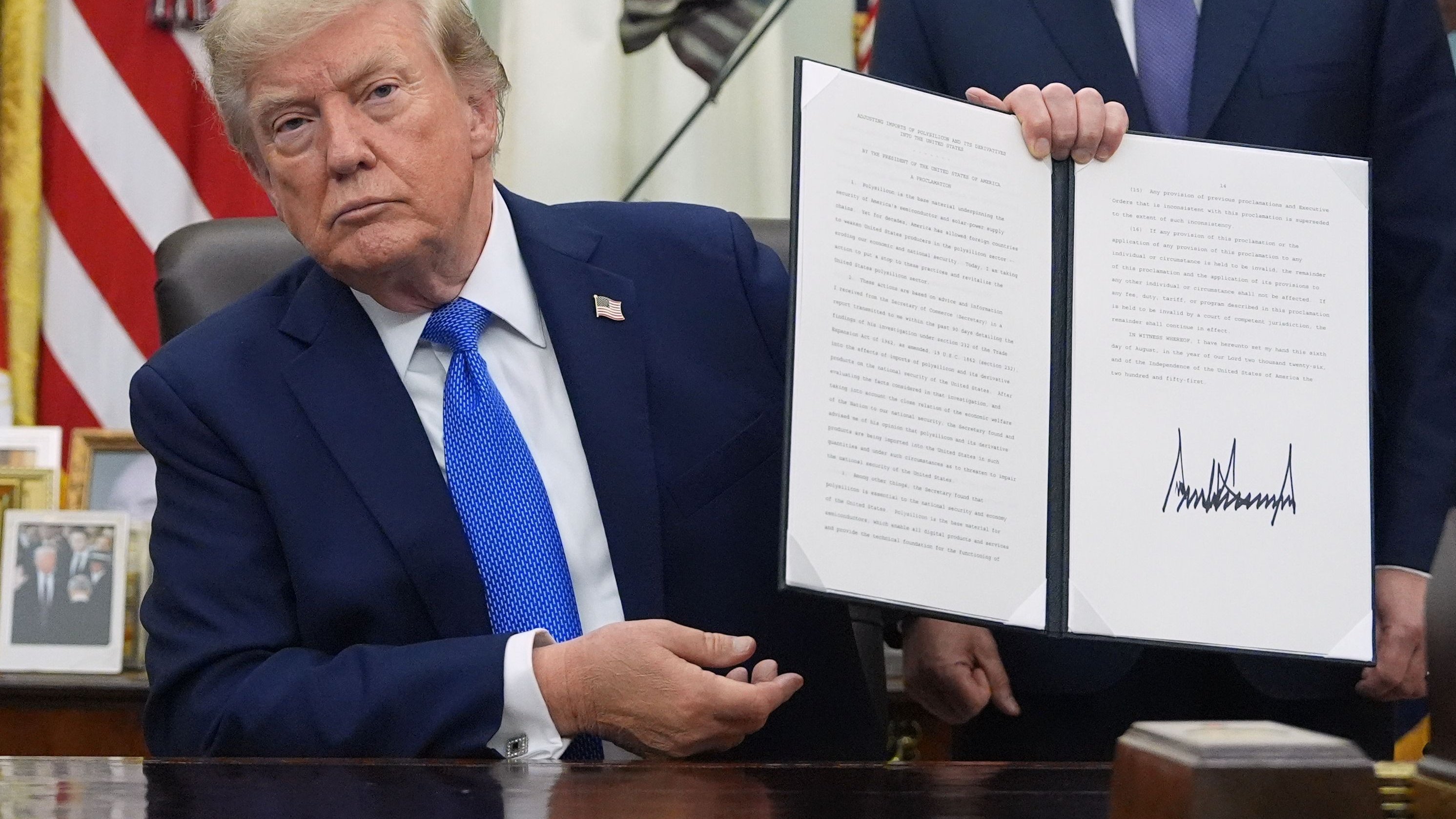
US President Donald Trump has signed a new decree aimed at restricting birthright citizenship for certain groups. Newborns whose mothers travel solely for the birth in the US will no longer automatically be granted US citizenship. Trump's move comes after a Supreme Court …
Intelligence analysis by Llama
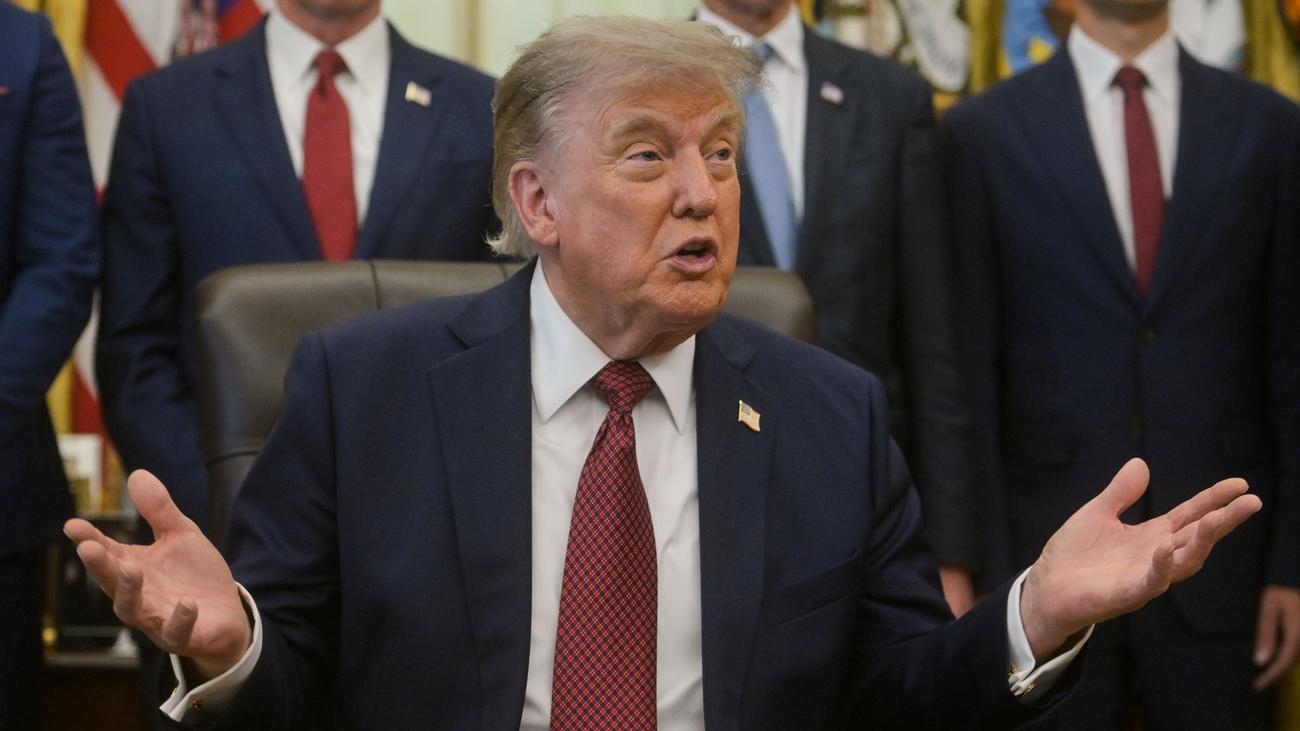
US President Donald Trump has launched a new bid to restrict birthright citizenship for certain groups. The move comes after a Supreme Court ruling in June that upheld the practice of granting citizenship to children born in the US. Trump's new decree aims to limit citizenship to children born in the US to parents who are both US citizens.
Imagine you're a baby born in the US to parents who are not US citizens. Under the current rules, you automatically get US citizenship. But Trump wants to change this rule so that only babies born to parents who are both US citizens get citizenship. This means that babies born to parents who are not US citizens might not get citizenship, which could affect their lives in many ways.
Analysis
Background
The issue of birthright citizenship in the US has been a contentious one for years. The 14th Amendment to the US Constitution, which was ratified in 1868, grants citizenship to anyone born in the US. However, Trump's new decree aims to restrict this right to children born in the US to parents who are both US citizens.
What Changed
The Supreme Court's ruling in June that upheld the practice of granting citizenship to children born in the US was a significant setback for Trump's efforts to restrict birthright citizenship. However, Trump has now launched a new bid to restrict citizenship, signing a decree that aims to limit citizenship to children born in the US to parents who are both US citizens.
Implications
The implications of Trump's new decree are far-reaching. If implemented, it could lead to thousands of children being denied citizenship, potentially affecting their access to education, healthcare, and other rights. The move has also sparked controversy, with many arguing that it is unconstitutional and discriminatory.
Next Steps
The next steps in this saga are unclear. However, it is likely that the issue will be taken to court, with many arguing that Trump's decree is unconstitutional. The Supreme Court's ruling in June set a precedent that birthright citizenship is a fundamental right, and it remains to be seen whether Trump's new decree will be upheld.
Key points
- US President Donald Trump has signed a new decree aimed at restricting birthright citizenship for certain groups.
- The decree aims to limit citizenship to children born in the US to parents who are both US citizens.
- The move has sparked controversy and could lead to further legal challenges.
- The Supreme Court's ruling in June that upheld the practice of granting citizenship to children born in the US was a significant setback for Trump's efforts to restrict birthright citizenship.
- The implications of Trump's new decree are far-reaching and could affect thousands of children.
If Trump's decree is implemented, it could lead to a more nuanced discussion around birthright citizenship. It may also prompt lawmakers to revisit the 14th Amendment and consider changes to the current system.
The restrictive nature of Trump's decree could lead to a surge in birth tourism, as parents seek to give birth in the US to secure citizenship for their children. This could put a strain on the US healthcare system and lead to further controversy.