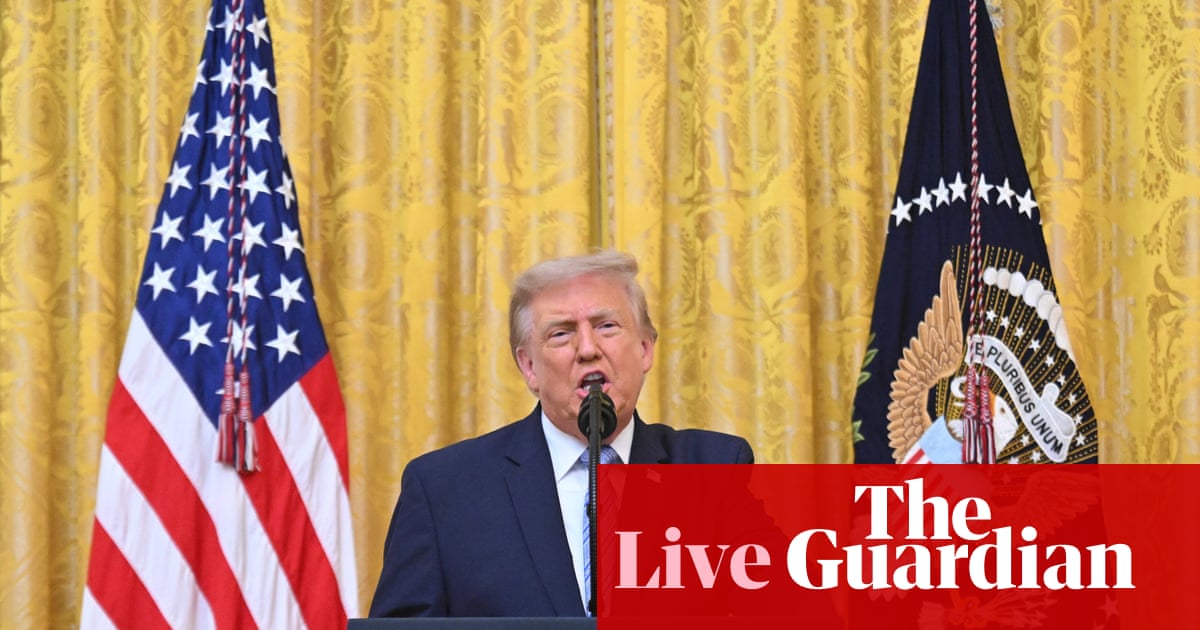
Trump makes unverified claims of China ‘election meddling’ as critics fear ploy to challenge midterm results
Donald Trump accused China of interfering in the 2020 election during a televised address, repeating unsubstantiated claims about electoral integrity, which critics view as a tactic to challenge upcoming midterm results.
Intelligence analysis by Gemini 2.5 Flash
In a primetime address, former President Trump reiterated his long-standing, unverified claims of widespread fraud and foreign interference in the 2020 election, specifically citing China. Opponents, including Democratic senators and intelligence officials, dismissed these allegations as a dangerous attempt to sow confusion and undermine public trust in the electoral process ahead of …
Imagine a big game where one team lost, and the losing coach keeps saying the other team cheated, even though all the referees and other coaches say everything was fair. Now, he's saying a foreign country helped the winning team, and he wants everyone to believe the next game might also be unfair, especially when his team might lose again. People are worried he's just trying to make excuses and cause trouble.
Analysis
Persistent Allegations and Official Rebuttals
Donald Trump's recent televised address marked a continuation of his persistent efforts to cast doubt on the legitimacy of the 2020 presidential election. During his 25-minute speech, Trump asserted that the US electoral system was "catastrophically" vulnerable to foreign interference, specifically accusing China of meddling. He announced the declassification of intelligence purportedly revealing "shocking vulnerabilities" and directed federal agencies to investigate a supposed cover-up by intelligence officials, whom he labeled "the deep state." These claims directly contradict assessments from his own former administration, including the CIA director John Ratcliffe, who concluded the 2020 election was the most secure in US history. Critics, including Senator Mark Warner, emphasized that these claims have been repeatedly investigated and rejected by numerous bodies, including the intelligence community, FBI, DHS, DOJ, bipartisan state election officials, and the courts.
The Midterm Election Context
The timing of Trump's address is seen by many as strategically linked to the upcoming congressional midterm elections. Polls suggest that Republicans could face significant losses, and opponents argue that Trump's renewed focus on election integrity is a calculated move to lay the groundwork for challenging unfavorable results. Democrats warned that the speech was designed to sow confusion and spread misinformation, potentially destabilizing the electoral system. The article notes that a key ally, Bill Pulte, recently installed as acting director of national intelligence despite lacking intelligence experience, is believed to have provided documents to validate Trump's claims. However, even John Solomon, a right-wing former journalist and White House special adviser involved in releasing these documents, acknowledged that they contained no evidence of foreign actors flipping a single vote in 2020.
Undermining Electoral Trust and Democratic Norms
Trump's address, which included calls for the passage of the "Save America Act" requiring strict voter ID, underscores a broader effort to reshape election laws and public perception of the voting process. By repeatedly asserting unverified claims of widespread fraud and foreign interference, Trump and his allies risk eroding public trust in democratic institutions. This sustained narrative, despite overwhelming evidence to the contrary, creates a climate of distrust that can have long-term implications for political stability and civic engagement. The article highlights the danger of confronting genuine threats from strategic competitors like China, Russia, and Iran with distortions rather than facts, potentially weakening national security efforts by politicizing intelligence.
Key points
- Donald Trump made unverified claims of China interfering in the 2020 US election during a televised address.
- Critics, including Democratic Senator Mark Warner, dismissed Trump's claims as a ploy to sow confusion and challenge upcoming midterm election results.
- Intelligence officials and various government bodies have repeatedly rejected claims of widespread fraud or foreign interference in the 2020 election.
- Trump directed federal agencies to investigate a supposed cover-up by intelligence agencies regarding election vulnerabilities.
- A White House special adviser involved in releasing intelligence documents acknowledged they contained no evidence of foreign actors flipping votes in 2020.
The continued propagation of unverified election fraud claims risks further eroding public trust in democratic institutions and the integrity of the electoral process. This could lead to increased political polarization, potential civil unrest, and challenges to legitimate election results, destabilizing the US political landscape.