Trump says U.S. only 'semi-negotiating' with Iran after Tehran sets demands to reopen Strait of Hormuz
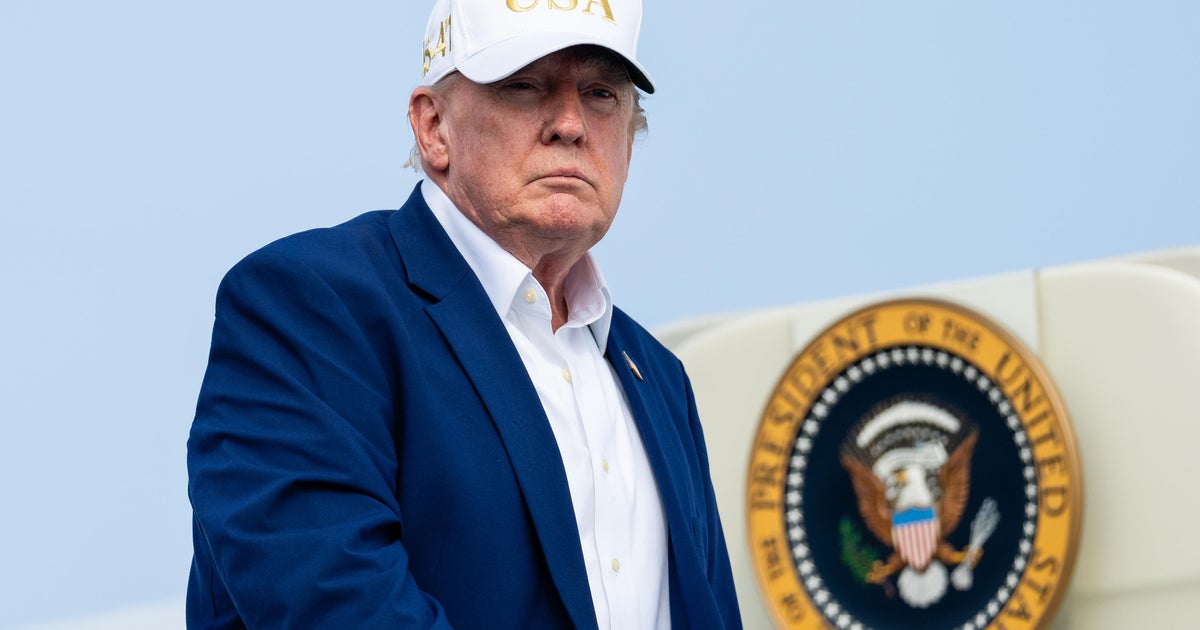
President Trump told Axios the U.S. is only 'semi-negotiating' with Iran and signaled he would allow economic pressure to pile on Tehran. Iran set out new demands for reopening the Strait of Hormuz that include compensating Iran for war damage.
Intelligence analysis by Llama
The U.S. and Iran remain deadlocked over a deal to reopen the Strait of Hormuz to Gulf tanker and cargo traffic. Iran insists on retaining control of the waterway through which about one-fifth of the world's oil and liquefied natural gas pass, and wants to charge tolls for passage.
Imagine a big waterway that lots of oil ships go through. The U.S. and Iran are fighting over who gets to control this waterway. Iran wants to charge money for ships to go through, but the U.S. doesn't want to pay. This is making it hard for oil to get to other countries, and that's causing problems for the global economy.
Analysis
Iran's Demands for Compensation and Control of the Strait of Hormuz
Iran has set out new demands for reopening the Strait of Hormuz, including compensating Iran for war damage. This move is seen as a significant escalation of the conflict between the U.S. and Iran. The U.S. has rejected Iran's demands, and the two sides remain deadlocked over a deal to reopen the strait.
The U.S. Position on the Strait of Hormuz
President Trump has told Axios that the U.S. is only 'semi-negotiating' with Iran. This statement suggests that the U.S. is not willing to make significant concessions to Iran in order to reopen the strait. The U.S. has also signaled that it will allow economic pressure to pile on Tehran, which could further exacerbate the conflict.
The Implications of the Conflict for Global Oil Markets
The standoff between the U.S. and Iran over the Strait of Hormuz has significant implications for global oil markets. The strait is a critical waterway through which about one-fifth of the world's oil and liquefied natural gas pass. If the conflict were to escalate, it could lead to a significant disruption in oil supplies and a spike in oil prices.
Key points
- The U.S. and Iran remain deadlocked over a deal to reopen the Strait of Hormuz.
- Iran has set out new demands for reopening the strait, including compensating Iran for war damage.
- The U.S. has rejected Iran's demands and signaled that it will allow economic pressure to pile on Tehran.
- The standoff between the U.S. and Iran has significant implications for global oil markets and the stability of the region.
If the U.S. and Iran can come to a deal to reopen the Strait of Hormuz, it could lead to a significant reduction in tensions between the two countries. This could also lead to a decrease in oil prices and a boost to the global economy.
If the conflict between the U.S. and Iran over the Strait of Hormuz escalates, it could lead to a significant disruption in oil supplies and a spike in oil prices. This could also lead to a decrease in economic activity and a increase in unemployment.