Trump says US will hit Iran 'hard' again on Wednesday
Trump said US strikes on Iran would continue as the two sides traded attacks, while he still claimed a deal was close.
Intelligence analysis by GPT-5.4 Mini
The article describes a fast-moving escalation between the US and Iran, with Trump threatening more strikes even as he says diplomacy is still possible. It also reports damage to shipping and civilian infrastructure near Oman, plus rescue efforts for missing Indian sailors.
Two countries are trading punches while still saying they might make up later, like arguing at recess and asking for a truce at the same time. Ships near the area are getting caught in the middle too.
Analysis
Escalation and diplomacy
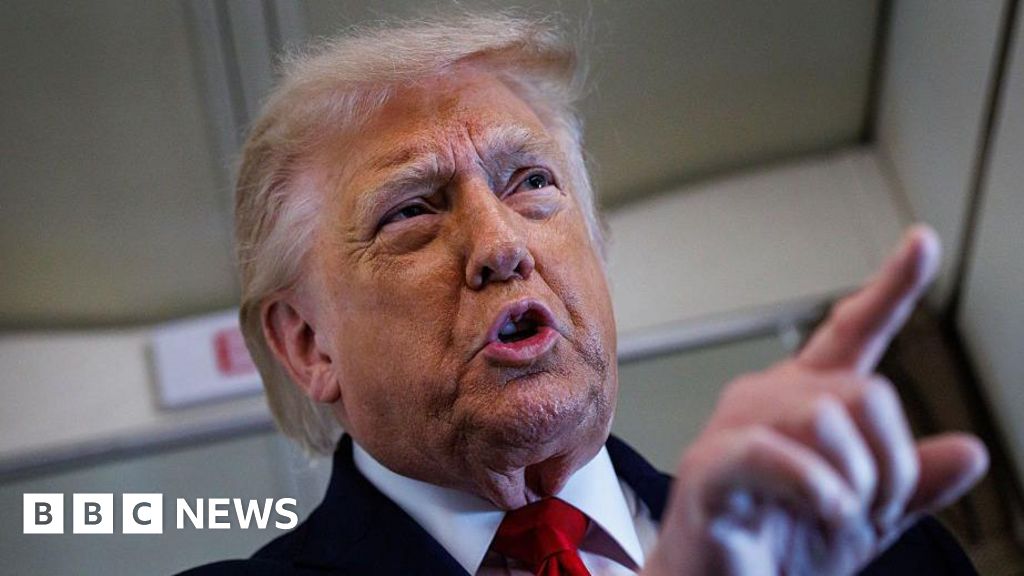
Donald Trump said the US would strike Iran again after overnight exchanges of fire, even while insisting that the two sides were close to a peace deal. He repeated his demand that Iran sign an agreement and said Tehran had waited too long to negotiate. The article presents a tense contradiction: public pressure and military action on one side, continued talk of diplomacy on the other.
The US said it struck Iranian sites after the downing of a US army helicopter in the Gulf. The military said the targets included defence systems, ground control stations and radar sites near the Strait of Hormuz. Iran responded by saying it launched strikes on US bases in the region. Reuters, citing a US official, said nearly all of the Iranian missiles and drones aimed at US bases were intercepted and that no casualties were reported.
Iranian officials framed the US strikes as an attack on diplomacy. Foreign ministry spokesman Esmaeil Baqai accused Washington of damaging the process through shifting demands and repeated violations of a ceasefire, and said any diplomatic track needed basic stability. That matters because the article suggests talks were still possible, but only if the fighting slows first.
Regional spillover
The story also widens beyond the US-Iran confrontation. India said a commercial vessel was attacked off Oman and that three Indian sailors were missing. The UK's Maritime Trade Operations centre reported a tanker fire northeast of Sohar. Iranian state media said US strikes hit reservoirs in the area, leaving thousands in Sirik without drinking water. Taken together, the article shows a conflict that is no longer limited to military targets; it is affecting shipping lanes, civilian infrastructure, and the safety of foreign crews.
Key points
- Trump said the US would hit Iran hard again and repeated his call for Tehran to sign a deal.
- The US and Iran exchanged strikes after Washington said it hit Iranian sites in response to a helicopter downing.
- Iran said it attacked US bases in the region, while Reuters reported most missiles and drones were intercepted.
- The article also reports an attack on a commercial vessel off Oman and three missing Indian sailors.
- Indian officials called for de-escalation and a diplomatic solution to restore peace and stability.
If the reported talks move forward, the fighting could ease and reduce the risk to bases, ships, and civilians. A deal could also help restore more stable shipping through the region. That would give diplomats a chance to slow the cycle of retaliation and rebuild some trust.
If the strikes continue, the conflict could spread further across the region and keep pressure on the Strait of Hormuz. More attacks on bases or shipping could increase the risk of casualties and damage to civilian infrastructure.