Trump signs executive order seeking early access to new AI releases
Trump signed an order creating a voluntary federal review of powerful AI models before public release, framing it as a national security measure.
Intelligence analysis by GPT-5.4 Mini
The White House is moving toward earlier federal visibility into advanced AI systems. The order asks companies to share models with the government up to 30 days before release, while stopping short of making review mandatory.
The government is asking AI makers to show it new super-smart computer brains before everyone else gets them, like checking a new airplane before takeoff. Supporters say it helps catch dangerous problems early, while critics worry it gives the government too much control.
Analysis
What the order does
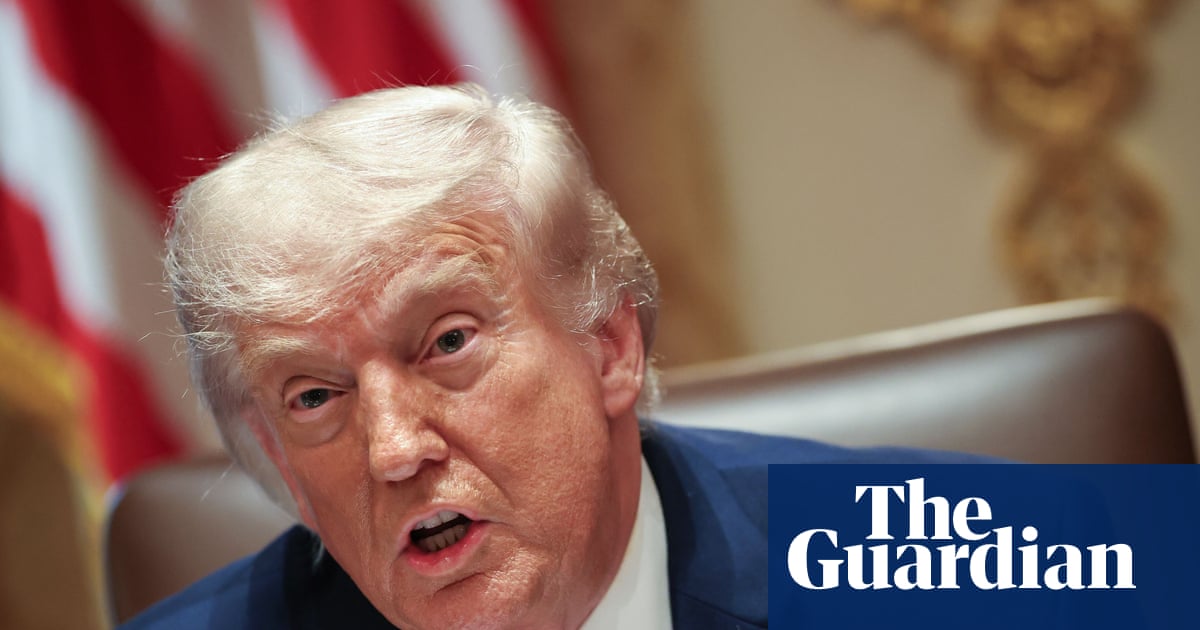
Donald Trump signed an executive order that creates a voluntary framework for the federal government to review powerful new AI models before they are released publicly. Under the plan, tech companies would be asked to share models with the government up to 30 days in advance.
Why the administration is doing it
The Trump administration says the goal is to improve national security, especially cybersecurity. The article says the order reflects a shift away from Trump’s earlier low-regulation posture on AI, including his revocation of a Biden-era order that had set safety standards for AI development.
What is and is not in it
The order stops short of mandatory review. That is notable because earlier drafts were rumored to include stricter rules, and the final version appears to balance pressure from hardline supporters who wanted tougher controls with support from industry allies who preferred a lighter touch.
Existing agreements and concerns
The article says the government already has review arrangements with companies including OpenAI and Anthropic through the Center for AI Standards and Innovation, part of the Commerce Department. It also says the administration recently struck deals with Microsoft, Google DeepMind, and xAI to review early models before release, though details were later removed from a federal website.
The federal government argues this kind of information sharing is standard and important for national security. At the same time, some free speech advocates warn that too much control could become censorship.
Broader implications
The order also directs agencies such as the NSA, the Department of Defense, and the Treasury Department to help identify which models need scrutiny and where vulnerabilities may exist. It further instructs the government to hire more cybersecurity and AI staff and strengthen defenses at critical infrastructure sites such as hospitals and banks.
Key points
- Trump signed an executive order creating a voluntary federal review process for powerful AI models before public release.
- Companies would be asked to share models with the government up to 30 days before launch.
- The administration says the goal is to improve national security and cybersecurity.
- The order stops short of mandatory review, despite pressure from some supporters for stricter controls.
- The government says it already has similar review arrangements with several major AI companies.
If the framework works as intended, it could help catch serious cybersecurity flaws before powerful AI models are widely released. The added review could also push companies and government agencies to coordinate more closely on safety.
Because the review is voluntary, companies may not share enough information early enough to matter. Critics also worry that government scrutiny could expand into censorship or slow down releases without clearly improving safety.