Trump vows to punish Iran for Houthi attacks in Red Sea, as oil surges over US$100
US President Donald Trump promised to punish Iran and its Houthi allies after Yemeni fighters struck two Saudi oil tankers in the Red Sea, extending the Middle East war to a second major shipping chokepoint.
Intelligence analysis by Llama
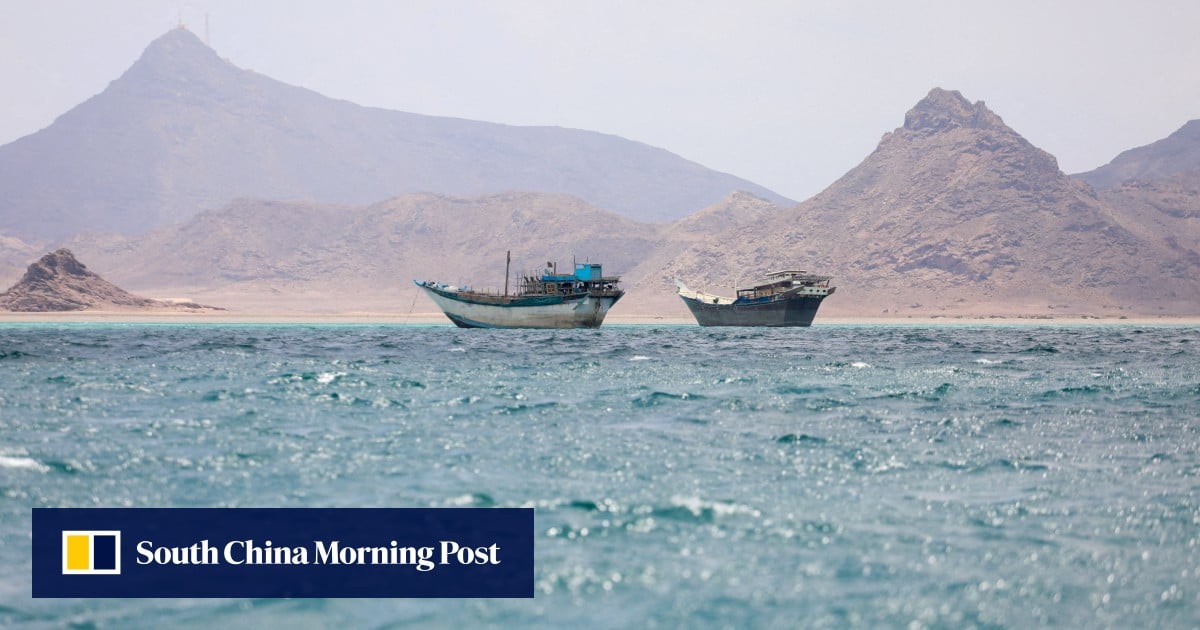
US President Donald Trump has vowed to punish Iran and its Houthi allies after a series of attacks on Saudi oil tankers in the Red Sea. The move comes as global oil prices surge to over US$100 a barrel for the first time since May.
Imagine you're playing a game of chess, and your opponent makes a move that puts you in a difficult position. That's what's happening in the Middle East right now. The US and its allies are trying to hold Iran accountable for its actions, but Iran is pushing back. This could lead to further military action, which would have big implications for the global economy.
Analysis
A $60B Vote of Confidence
The recent attacks on Saudi oil tankers in the Red Sea have sent shockwaves through the global oil market, with prices surging to over US$100 a barrel for the first time since May. The move is a clear indication of the escalating tensions between the US and Iran, and the potential for further military action in the region.
Why Cursor?
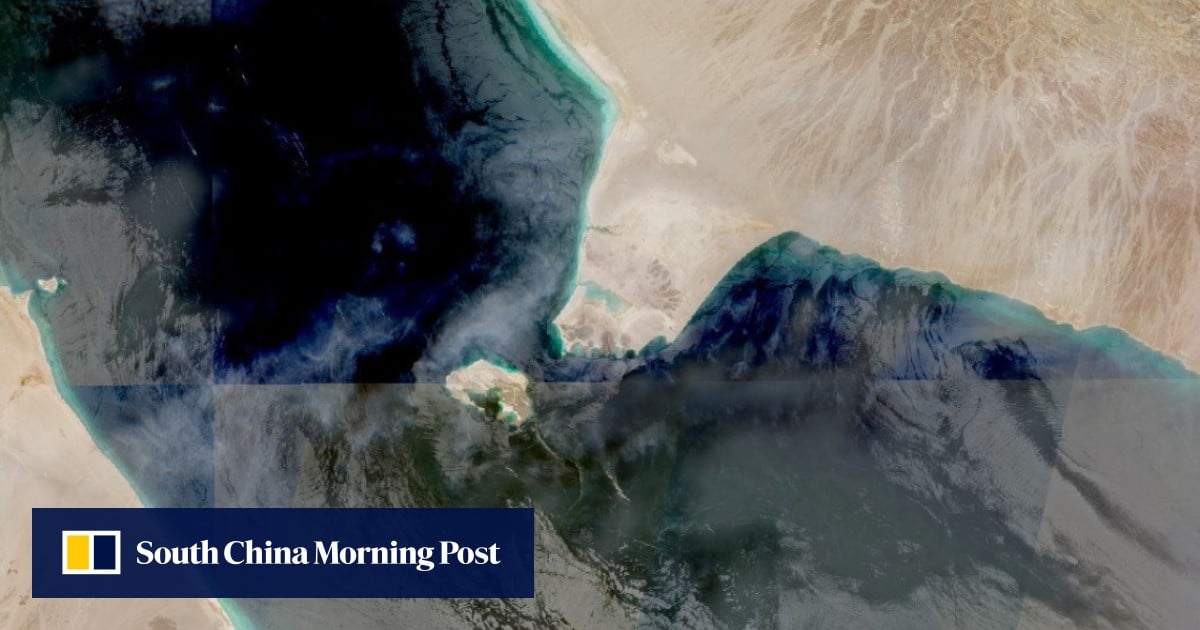
The Houthis, who control northern and western Yemen, have imposed a naval blockade on Saudi Arabia, which has diverted millions of barrels of oil per day by pipeline to the Red Sea to get around Iran's blockade of Gulf oil through the Strait of Hormuz. The move is a clear indication of the Houthis' determination to disrupt the global oil supply chain and to exert pressure on the US and its allies.
The Road Ahead
The US and its allies are seeking to hold Iran accountable for the attacks, which could lead to further military action in the region. The escalation of the conflict has significant implications for the global economy, particularly in the oil market. The US and its allies are seeking to maintain stability in the region and to prevent further disruptions to the global oil supply chain.
Key points
- US President Donald Trump has vowed to punish Iran and its Houthi allies after a series of attacks on Saudi oil tankers in the Red Sea.
- Global oil prices have surged to over US$100 a barrel for the first time since May.
- The Houthis have imposed a naval blockade on Saudi Arabia, which has diverted millions of barrels of oil per day by pipeline to the Red Sea.
- The US and its allies are seeking to hold Iran accountable for the attacks, which could lead to further military action in the region.
If the US and its allies can successfully hold Iran accountable for its actions, it could lead to a reduction in tensions in the region and a stabilization of the global oil market. This would be a positive outcome for the global economy.
If the conflict in the Middle East escalates further, it could lead to a significant disruption to the global oil supply chain, causing prices to surge even higher. This would have a negative impact on the global economy, particularly in countries that rely heavily on oil imports.