Trump’s AI order seeks security safeguards without slowing race with China
Trump signed an AI order that lets companies voluntarily share advanced models before release, aiming to keep security checks from slowing U.S. competition with China.
Intelligence analysis by GPT-5.4 Mini
The White House is trying to thread a narrow needle: add some oversight for powerful AI systems while avoiding rules that could blunt U.S. speed in the race with China. The order uses a voluntary framework rather than mandatory review.
The U.S. is trying to check very powerful AI tools before they come out, but only in a soft way so companies can still move fast. It is like letting a new race car get a quick safety check before the track opens, instead of making it wait in line for a long inspection.
Analysis
What the order does
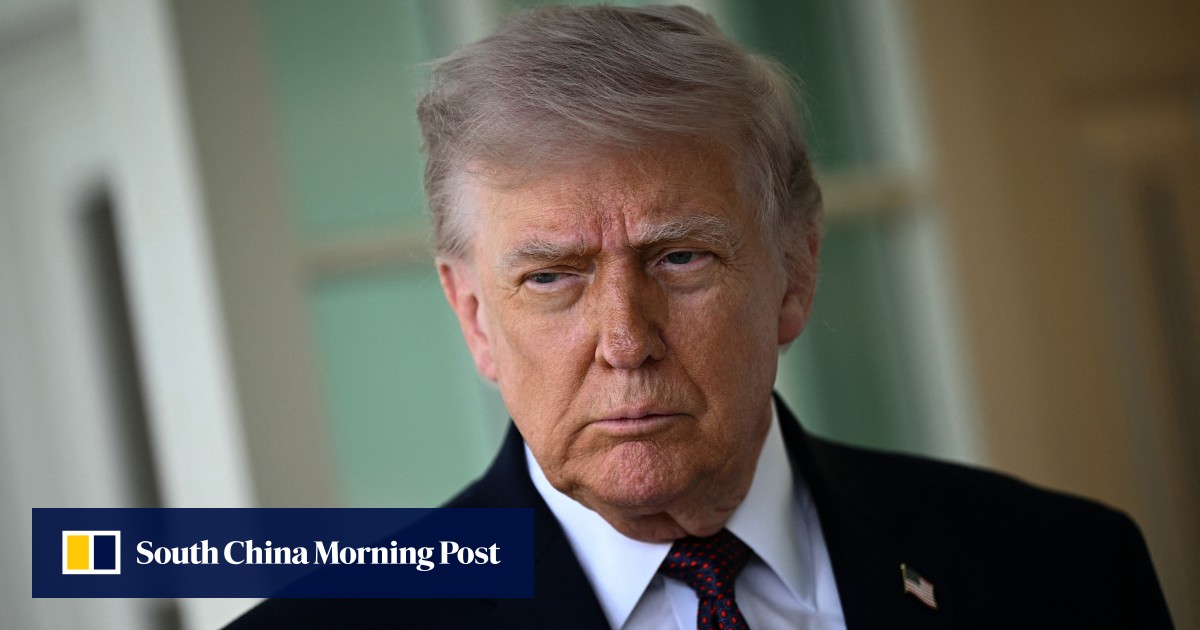
Trump signed a long-awaited executive order on artificial intelligence that asks technology companies to voluntarily share advanced models before public release. Under the framework, the government can review powerful new AI systems up to 30 days before release, but it does not require companies to submit to review.
Why the administration chose this approach
The article says the move reflects a shift away from the administration’s mostly hands-off approach, while still trying not to slow U.S. momentum in AI. Trump previously delayed signing an AI order after reports that a 90-day review period had been considered and that such a delay might hurt U.S. competitiveness with China.
Trump told reporters that the U.S. is leading China and that he did not want anything to interfere with that lead. He also pointed to AI’s economic value, saying it is producing substantial benefits and jobs.
Security and infrastructure angle
The order says the government will work with select trusted partners that will get early access to covered frontier models. The stated goal is to promote secure innovation and strengthen the cybersecurity of critical infrastructure.
Reading the signal
The order suggests Washington wants a narrower, lighter-touch safety regime: enough oversight to address security concerns, but not a mandatory approval system that could slow deployment. The tension between speed and control remains central, especially because China competitiveness is explicitly part of the political calculus.
Key points
- Trump signed an executive order on AI after delaying an earlier version.
- The order uses a voluntary framework for companies to share advanced models before release.
- Government review can happen up to 30 days before public release, but it is not mandatory.
- The administration framed the order as a way to protect security without slowing U.S. competition with China.
- Select trusted partners will get early access to some frontier models to support secure innovation and cybersecurity.
If the voluntary system works, the U.S. could catch serious risks earlier without creating long delays for developers. The partnership with trusted firms could also improve protection for important systems like critical infrastructure while keeping innovation moving.
Because the framework is voluntary, companies may choose not to share enough for a meaningful review. If the process is too light, it may not prevent security problems, and if it grows more restrictive later, it could still become a drag on U.S. AI speed in the China race.